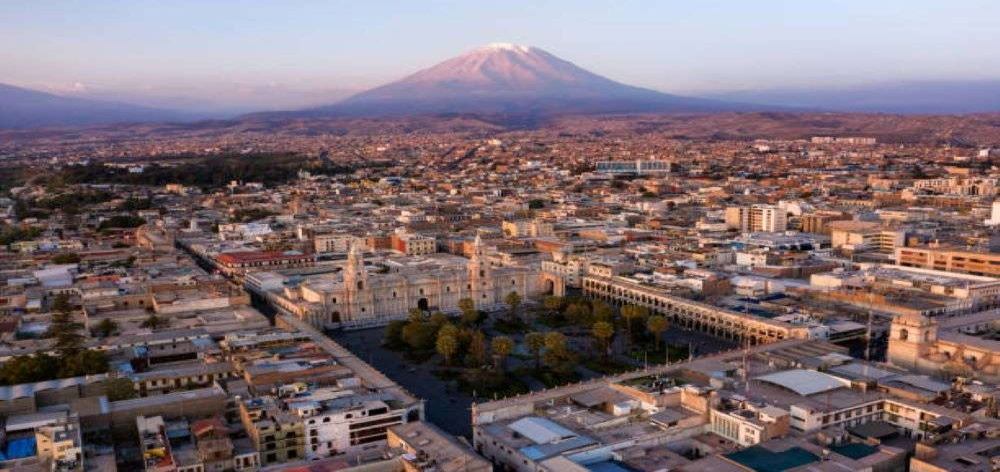
Will you travel to Arequipa? If you said yes, congratulations! You will be amazed by its beauty. Its architecture based on volcanic stone, its canyons, cliffs, viewpoints and an impressive nature reserve make it a great choice for travelers. If you’re wondering what to do in Arequipa it is because you are looking forward to knowing one of the most beautiful places to see in Peru.
¡Here is a list of all things to do in and around Arequipa!
History tells that this building remained as a monastery for women who took vows and it remained downcast until the 1970s. After that, it was opened to tourism, demonstrating a kind of historical, living, spiritual and cultural monument of the city and the region.
Although on the outside it looks like a sober building with hard ashlar walls, inside it is pure color. You will run through pristine courtyards, cloisters and beautiful streets with names of Spanish cities like Seville or Córdoba in which there is no shortage of flower pots. In addition, you will visit the kitchen, the laundry and some of the old cells.
This monastery can be visited every working day, but not religious holidays. The ticket costs 40 Peruvian soles. There are some discounts, but they are only for people born in Peru, and for foreign students.
You can also read: Arequipa: the white city’s anniversary

Almost 500 years after the foundation of Arequipa in 1540, Arequipa’s main square is still of paramount importance for Arequipeños, who usually meet here to chat along with some typical appetizers, some desserts that we encourage you to try.
The Basilica Cathedral of Arequipa, built in white ashlar, stands out in Arequipa’s main square. Although the original building was erected in the 17th century, it has been damaged by several earthquakes, among them the one of 2001. This caused one of the towers to collapse in its entirety although today we can see it completely restored, highlighting its neo-Renaissance façade with Gothic influences.
In addition to admiring it outside, we recommend visiting its interior. Admission is free and you can admire one of the largest organs in South America, of Belgian construction, a huge lamp of Seville origin, the neo-Gothic pulpit of French origin and Carrara (Italy) marble. Also, don’t miss the Cathedral Museum, where fine pieces of goldwork are preserved, some more than 400 years old.

The historic center concentrates almost all the visits to do in Arequipa, but it’s worth moving a little to enjoy the environment of the city thanks to its viewpoints. In our opinion, the best is the Yanahuara viewpoint, to which you can walk from downtown in about 20 minutes or in one of the many official taxis you’ll find on the street.
This viewpoint has 9 spectacular arches made in the nineteenth century with the ashlar of the surroundings. In them we can see inscriptions of popular quotes from Arequipa and some thinkers, but what stands out most is the panorama of the Misti, Chachani and Pichu Pichu volcanoes. Located at 2.300 meters above sea level, on clear days you can appreciate their peaks and, of course, the whole city.
You can also read: 6 tips for travelling to Peru
Pincanterías are an institution in Peru, but in Arequipa even more. In the 16th century they were known as “chicherías” because they served the “chicha de guiñapo”, a fermented drink with black corn. However, over time people began to prepare meals and they are the best place to taste the cuisine of Arequipa. In fact, they have been recognized as Cultural Heritage of the Nation.
You can only go during the day (they usually close at sunset) and from 12h to 15h the lunch is served. This consists of a menu of the day with a very strong soup, a second dish that varies according to the day of the week and chicha.
If lunches are over or you don’t fancy what they serve, you can also order something from the main menu, although prices are slightly higher. Among the best known dishes are the chupe of shrimps, the stuffed rocoto, the adobo arequipeño and, for dessert, the frozen cheese.
The countryside is located on the outskirts of the historic center of Arequipa. In fact, it is not one, but several places that will allow you to admire the beauty of the spectacular Arequipa valley, and to know some emblematic destinations which are mandatory stops on your visit to the white city.
One of the most popular places to visit in the Campiña of Arequipa is Sabandía. Located nine kilometers from the city of Arequipa, this district is famous for its Sabandía mill. It was built in the 17th century at the request of the Spaniard García de Vargas Machuca, who commissioned its construction to the master builder Francisco Flores. It is a flour mill that looks more like a palace and can be visited.
But Sabandía also has other tourist attractions such as the Founder’s Mansion or House. This is a manor house belonging in its beginning to Garci Manuel de Carvajal, founder of Arequipa. Built in the 16th century, it is a typical Arequipa mansion with huge ashlar walls and spectacular vaults of the same material.
If you don’t have time to explore this area of Peru thoroughly, a must-do activity would be the Colca Valley tour. It’s located about 200 km from the city, so it’s best to choose a five-day tour, so you can explore the Ampato, Sabancaya, Hualca Hualca and Misti volcanoes, the Chilca mountain range, the Condor’s Cross viewpoint, Chivay and Choquetico viewpoint.
These were 6 places to visit in Arequipa. This city has a beautiful tourist attraction for everyone who wants to visit it, a relaxed atmosphere for travellers, cultural trade, with local Peruvian handicrafts, and world-renowned llama and alpaca wool clothing. We hope this information has been useful to you!
Colourful Peru invites you to experience our country. We are committed to offer you the best options so you can live a Colourful journey. If you want to know more about our suggested journeys, do not hesitate to get in touch with us.
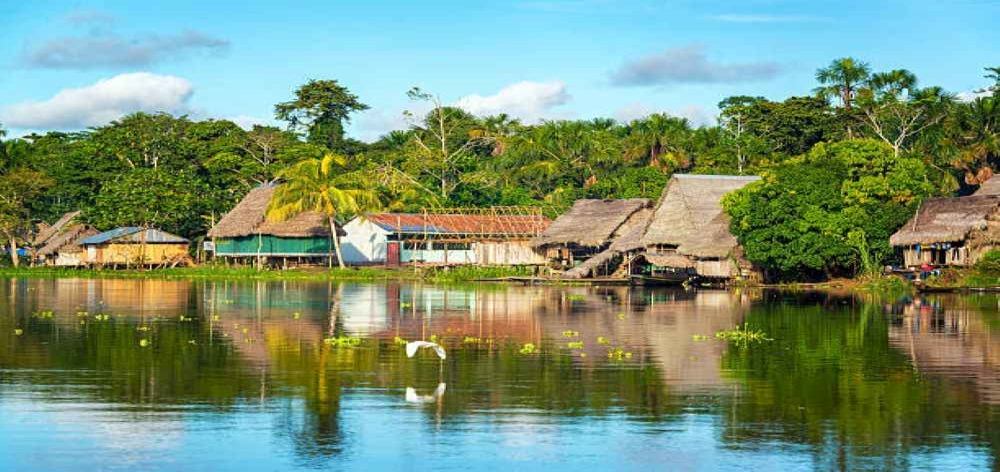
How do you imagine the world’s largest city without road access? Iquitos, in the Peruvian Amazon jungle, is a hidden destination that you can only reach by plane or boat. It is a city that will catch you with its lush nature and with all the mysteries that the jungle hides. If you will go to Peru, get ready for an adventure-filled journey! Here is a list of 6 things to do in Iquitos.
This incredible museum is located on a ship, on the banks of the river Itaya. This is an epic restored rubber boom ship. It was built in Hamburg, Germany in 1906 by R. Holts. This was one of the many ships traveling to the rubber-tapped states to collect the valuable rubber balls that were then exported to Europe and North America.
After the rubber boom, the Ayapua has been restored in detail to its original Victorian splendor. The museum portrays the elegance and richness of the period. The Ayapua historic ship museum is 33 meters long and 5 meters wide, and has a reception area for exhibitions, 10 halls, each showcasing a Victorian style of the rubber era. Furthermore, each room has antiques as materials and furniture of the rubber life in Loreto.

You can feel the history in Iquitos: its streets and infrastructure tell interesting stories. The Plaza Mayor or Main square of Iquitos is the oldest and most important urban space in the province of Loreto. It was established in 1764.
It is relatively large, occupying an urban block. It is one of the most important tourist spots in Iquitos. It is also the official site of civic and official events. The square is composed of gardens, the Obelisk of the Heroes and an ornamental fountain.
You can also read: 6 Important tips for travelling to Peru
Another place to visit in Iquitos is its Cathedral. It is the main neo-Gothic cathedral of the city, it has an important historical value together with the Main square, which is located in the Historic center of Iquitos. It is under the property of the Catholic Church, and was declared Cultural Heritage of the Nation of Peru in 1996.
Today it is the highest religious temple, being one of the best preserved heritage sites of Peru. The Cathedral of Iquitos also has a crypt. The watch it has was purchased in Switzerland in 1925. Since 2013, it has a system of lights to adorn the architecture.

The Monkey island is a sanctuary for monkeys victims of illegal trafficking, most monkeys are rescued from different places and arrive sick. Specialists are responsible for their rehabilitation, then they are released on the island so they can live peacefully.
The island is located on the banks of the Amazon river, it has 450 hectares and houses about 40 monkeys of 13 different species and sloths. You can observe countless birds, and in the evening you can see them looking for their nests. It is a paradise composed of native flora and fauna, and medicinal plants. Sunrises and sunsets make this island unforgettable.
It is an entertainment complex in the city of Iquitos. It is the only tourist park in the Loreto region, and is considered a National Tourist Park, within the National Tourist Reservation System of Peru. It has 369 hectares of Amazonian forest, and embraces the Quistococha lagoon.
The Quistococha lagoon has an approximate extension of 56 km2, and a depth of 8 meters. One of the attractions of the lagoon is its dark water, and its artificial beach, called Tunchi beach with white sand. It is surrounded by vegetation composed of aguaje palm trees. In addition to the lagoon and the artificial beach, it features a museum, a zoo and a natural nursery.
You can also read: Manú National Park – Part I
Another of the wonderful tourist places of Iquitos is its butterfly farm, the only one in Peru. It is a remarkable container of 42 species of butterflies from the Amazon. It is magical because you can learn the complete process of metamorphosis.
Among the most striking species of butterflies they host are the blue morpho and the owl butterfly. They also have a lepidoptera collection and several mammals, such as a majestic jaguar, called Pedro Bello.
In addition to hosting a large number of species, the butterfly farm operates as a rescue center for certain Amazonian wildlife species. They protect animals that have been affected by poaching and the increasing traffic in Iquitos. Pilpintuwasi comes from quechua and means “house of butterflies”.
These were the top 6 things to do in Iquitos, Peru. It is definitely an amazing and interesting city located in the middle of the Amazon jungle. Enjoy one of the ecological capitals of the world and the capital of the Peruvian Amazon! Iquitos offers plenty of activities to enjoy in company or if you want to venture to the jungle by yourself.
Colourful Peru invites you to experience our country. We are committed to offer you the best options so you can live a Colourful journey. If you want to know more about our suggested journeys, do not hesitate to get in touch with us.
Will you travel to Peru soon? Peru is a multicultural and biodiverse country, and there is no doubt that it has many destinations to know in each of its regions. However, on this occasion we will focus on the most beautiful places on the Peruvian coast. Are you ready?
This wonderful seaside resort is located 26 km from Tumbes in northern Peru. It’s a place to enjoy the warm waters of the sea. The beach has fine white sands, is surrounded by tropical vegetation, accommodations and restaurants of exquisite local cuisine.
The best time of year to visit the beach is in summer, as the weather becomes warmer and suitable for a refreshing day in the middle of the sea. Some other attractions in Zorritos are Los Hervideros hot springs, the mangroves of Tumbes, quay and docks.
One of the most beautiful places of the coast of Peru is El Ñuro. It’s a small fishing village of Piura, another stunning coastal destination. Its main attraction is the turquoise beach, where a large family of sea turtles live, the perfect place to dive and get in touch with marine fauna. From this point, boats leave for whale watching between July and November each year.
It also has an artisan pier, premises to rent and boats to navigate the sea. El Ñuro is ideal for water sports and tasting delicious ceviche.
You can also read: What is the best time to go to Peru?

They are located in the province of Callao, 4 hours from Lima. They are a unique tourist attraction that allows human contact with marine fauna, which is the opportunity to swim with sea lions and penguins. Palomino Islands are a kind of navigation, since it takes a trip by the sea to reach them, a route where coastal biodiversity and the riches of the sea can be observed in its greatest splendour.
Among the best tourist places on the coast of Peru you can discover, Huanchaco is one of the most attractive beach resorts of Trujillo. The city of Huanchaco was the cradle of the Mochica and Chimu cultures, who were great sailors and left as legacy their traditional boats called “caballitos de totora” (reed boats) as an important tool for traditional fishing and expeditions along the Peruvian coast.
This town is characterized by the challenges of its waves, that’s why each year it brings together a large number of sportsmen and surfers.
The enigmatic Ballestas Islands belong to the Paracas Reserve. It is a set of three islands of exceptional beauty that host an abundant marine fauna and dazzle with dreamy landscapes. Ballestas Islands are very special natural formations.
Here you can see large numbers of Humboldt penguins, sea lions, pelicans, island birds and other marine animals in their natural habitat. Also near them is a prehistoric geoglyph known as El Candelabro, an archaeological remnant of the Paracas culture. It’s a must-see tourist attraction of the Peruvian Coast!
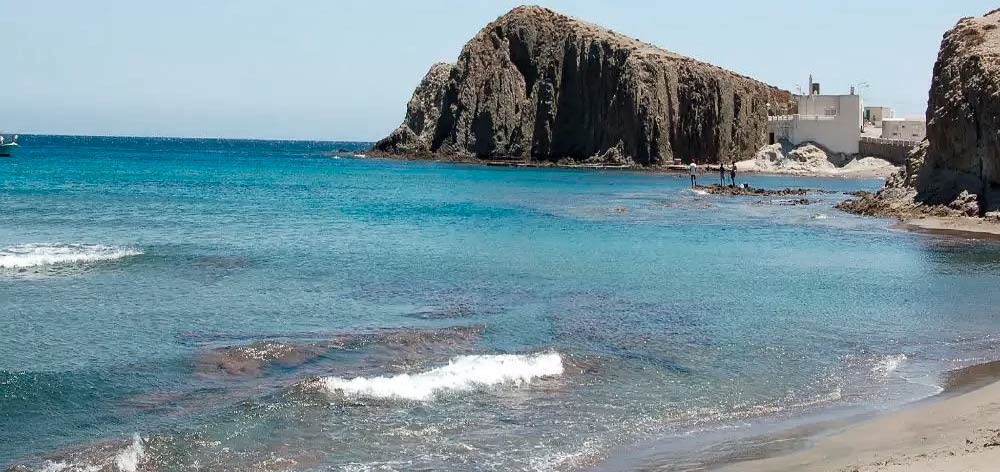
This fishing cove is ideal for professional surfing. Its tubular waves attract table lovers. The history of Cabo Blanco is linked to the development of international sport fishing. In the 1950s, Cabo Blanco was an exclusive destination for deep-sea fishing: world records were set as the capture of a 1.540 pound marlin.
Cabo Blanco Fishing Club was visited by writer Ernest Heminway in 1956. The Nobel Prize for Literature was impacted by the natural beauty of this cozy cove. Species such as black marlin and swordfish are part of its current ichthyological wealth, that arises from the confluence of two great marine currents: Humboldt and the Equatorial Current.
You can also read: 9 best restaurants in lima
The warm beach of Punta Sal is renowned for its large expanse of sand. It’s one of the largest beaches in Peru and its gastronomic and hotel offer is very varied. Punta Sal is perfect for fun and entertainment.
During the day, you can enjoy the beaches, taste the exquisite typical dishes and practice water sports, while at night you will find the best night clubs and bars, where you can dance, sing and entertain yourself. This coastal destination is ideal to visit with family or friends.
This protected natural area is of great biological and cultural importance. Here are the vestiges left by the Paracas culture and an impressive marine biodiversity. Its protection not only guarantees the preservation of this enormous heritage, but also the economic resources of the region.
The reserve occupies a space of 335 thousand hectares, one third of them occupied by islands and land formations, and the rest covered by a whimsical blue sea. The fauna in the reserve is immense. It consists of more than 1000 marine bird species, mammals, reptiles and fish, so it is the most representative protected area of the sea.
These were 8 fascinating tourist places on the coast of Peru. There’s no doubt that the Peruvian coast is a tropical climate region with an invaluable natural, cultural and historical heritage. We hope this information has been useful to you!
Colourful Peru invites you to experience our country. We are committed to offer you the best options so you can live a Colourful journey. If you want to know more about our suggested journeys, do not hesitate to get in touch with us.
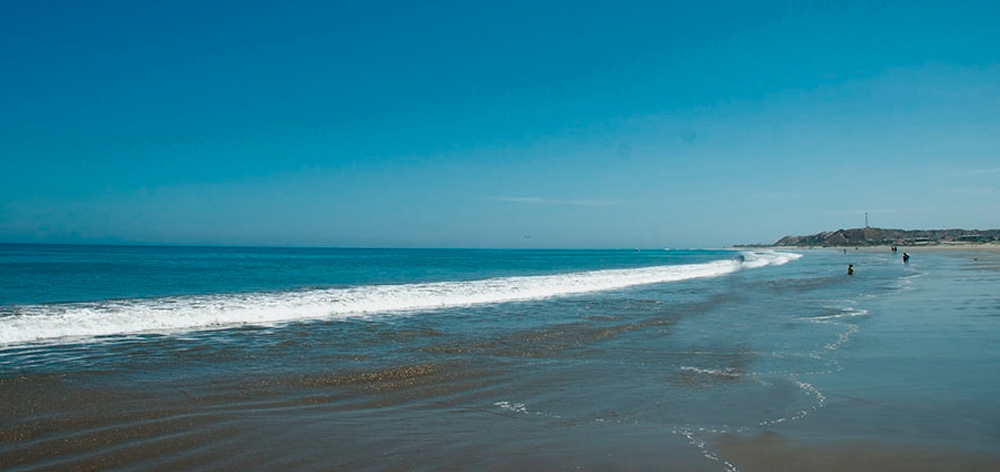
Will you travel to Peru soon? This wonderful destination is one of the most touristic countries in South America. A perfect combo for those looking for mountains, history, beaches, trails and adventure, a lot of adventure! If you’d like to know some tips for travelling to Peru, you’ve come to the right place. Continue reading our guide!
Peru is part of MERCOSUR (The Southern Common Market), so if you are a citizen of another member country, you only need your ID card to access. But, if you travel from Spain, for example, you need the passport valid for at least 6 months at the time of entry.
The maximum length of stay in Peru is 90 days. Although it seems to be three months, keep in mind that some months may have 30 days and others less, so it’s better to count the stay in days.
Check the countries that need a visa to enter Peru in the following link: Visa types to enter Peru
You can also read: Top 5 tourist attractions in Peru
The luggage for a trip to Peru may vary depending on the route you are going to make, because the country includes everything from beach destinations, desert areas and Andean villages to the depths of the Amazon.
However, there are basic classics that cannot fail on an adventure trip:
Pro tip: In addition to the right clothes, remember to prepare a good travel first-aid kit. If you’re in the middle of the jungle and you don’t feel well, it’ll come in handy. The kit must include gauze, bandages, disinfectant, ibuprofen, acetaminophen, antidiarrheals, thermometer, antihistamines, etc. Make room for the craft souvenirs you’ll want to bring along. There are a thousand precious things!

It is important that, before making a trip to Peru, you choose which route you are going to take, if you won’t stay many days. This will save you time at the destination because people in Peru are very quiet and sometimes it can be difficult to find fast options if you don’t want to waste time.
We recommend tracing your routes and also deciding if you will make them on bus or by plane. Buses are cool and allow you to see more things, but the plane makes you save time. In any case, keep in mind that there are two types of buses, those used by Peruvians and those who work only for tourists. Prices and benefits are quite different.
It is important that you consider these times of displacement and do not underestimate them. Roads in mountain areas or near the Amazon are complicated.
It is very unlikely that there is anyone who has travelled to Peru and has not visited Machu Picchu. Therefore, it is necessary to decide before the trip what kind of visit you are going to do. You can get to Aguas Calientes by train and from there visit Machu Picchu.
But there are also many people who prefer to get there by trekking. And there are some routes like the Inca Trail trip for which it is necessary to book well in advance. Therefore, we recommend reviewing the information well and deciding what kind of Machu Picchu tour you want to take.
You can also read: Learn about the history of Machu Picchu
In Peru the plugs are very varied, including type C plugs, but also of type A and B. That’s why, our advice for your trip to Peru is to pack a universal power adapter and an extension cord. In this way, you put the adapter and then plug in the extension cord everything you need to recharge (mobile phones, camera, external battery, etc.)

Peru is a country recognized worldwide for its gastronomy. Ceviche is just one of the star dishes you can eat on your trip. And not only can you but you must, because the food in Peru is delicious and varied. Here are some other Peruvian dishes that we advise you to try:
In addition to this, we recommend you try the daily menus. They are everywhere, super cheap and very tasty.
Pro tip: Avoid non-bottled water and ice drinks. Peel fruits and eat cooked vegetables. This prevents possible diarrhea. Maybe local people aren’t affected because they’re used to it, but it is common in foreigners.
Now you know how to prepare for your trip to Peru. This is a wonderful country with many different tourist attractions. Fall in love with nature, the Inca ruins, the beautiful views, the beaches and the delicious food. We hope this information has been useful to you. Good luck with your trip!
Colourful Peru invites you to experience our country. We are committed to offer you the best options so you can live a Colourful journey. If you want to know more about our suggested journeys, do not hesitate to get in touch with us.
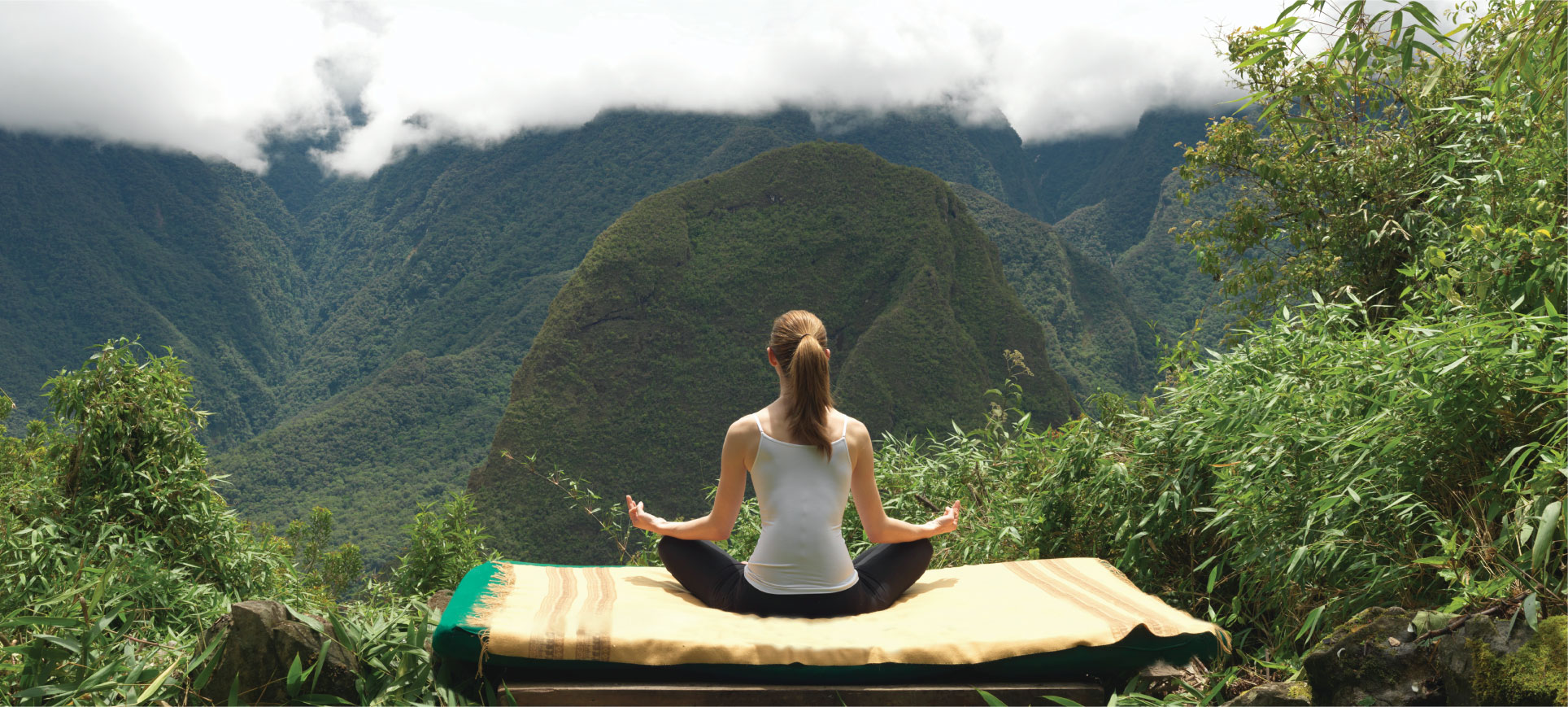
Your trip to Peru will be one of the most unforgettable ones in South America, in which you will find Inca ruins, historic cities, the wild nature of the Amazon, incredible landscapes of valleys, deserts and beaches, along with one of the best cuisines in the world. If you haven’t decided where to go specifically, here is a list of the best places to visit in Peru.
Cusco, declared a World Heritage Site, is one of the most beautiful cities in America. This ancient capital of the Inca Empire preserves very few buildings of this era, although in some of the colonial buildings you can see Inca remains on its walls, as the stone of twelve angles.
The main square is the epicenter of the city, in which its cathedral stands out. This place is chosen by many inhabitants to spend some hours in the afternoon, enjoying the life of Cusco.
Other amazing activities you’ll be able to do if you take a city tour in Cusco is to stroll through the beautiful artisan neighborhood of San Blas, get lost in the market of San Pedro, see the Inca remains of the Temple of the Moon or enter the Convent of Santo Domingo, built on the Temple of the Sun.
You can also read: How to get to machu picchu?

The central massif of the Peruvian Andes is one of the most spectacular places you can visit in this area of the world. This mountain range, full of imposing snow-capped peaks, glaciers and lagoons is the perfect destination for all lovers of mountaineering and trekking.
Huaraz is the gateway to the area, the most touristic city and probably the one with the best views you will find in this country, surrounded by peaks on all four sides, among which the Huascarán and the national park of the same name stand out.
From here you can take advantage of nearby hiking to see lagoons such as the Parón lagoon or the 69 lagoon, and even trekkings of several days like that of Huayhuash.
The good thing about Peru is that you can see different types of climates and regions within the same country. One of the most interesting places you can visit is the Amazon rainforest.
For example, you can go to Puerto Maldonado, where you can immerse yourself in the Tambopata National Reserve or go on a Manu National Park tour. They are both very special places and a good choice for all those who are traveling around Cuzco or its surroundings.
Another option is to visit the jungle in Iquitos, for which you will have to take a plane. Or, if you are really adventurous and you go without hurry, you can opt for the “barco carguero”, a boat where you travel in hammocks.
Once there we recommend you to spend a few days discovering the Amazon and enjoying places like the spectacular Pacaya-Samiria reserve, an experience you’ll have trouble forgetting.

A little less than 4 hours by bus from Lima is the Paracas National Reserve, located along the Peruvian coast, and another of the best places to see in Peru. This national reserve forms a unique ecosystem in the world that combines a desert area with a great marine diversity, due to the great abundance of food in the form of plankton.
We recommend visiting this protected natural area with a guide, so you won’t miss places like the red beach, fossil sites, the fauna and archaeological remains of the ancient Paracas Culture. Explained by an expert, they will bring you much closer to the history of this area of the country.
Very close to Paracas is another place to visit in Peru: the Ballestas islands. They are small rocky islands that are surrounded by small boats during excursions departing from the Paracas pier, to see a large number of birds, the Humboldt penguin colony and the sea lions. Definitely, taking a Ballestas islands boat tour is the best you can do!
You can also read: Ballestas islands – Paracas
Very close to the Paracas National Reserve, walking distance to the city of Ica, is the well-known Huacachina oasis. If you’ve never been in an oasis and you imagine them as in the movies, this place will not let you down as it is exactly so, water and palm trees in the middle of the desert.
This has not gone unnoticed by tourists from around the world, who take a Huacachina tour from Lima and flock to this spot to surf their sand dunes, ride on noisy buggies at full speed and watch beautiful sunsets.
These were just 5 spectacular tourist attractions to visit in Peru. The list goes on. As you see, its contrasting nature, exquisite cuisine and impressive culture make traveling to Peru a very complete experience. We hope this information has been useful to you!
Colourful Peru invites you to experience our country. We are committed to offer you the best options so you can live a Colourful journey. If you want to know more about our suggested journeys, do not hesitate to get in touch with us.

With Peru, you have already chosen an excellent travel destination because the land of the Incas has a lot to offer. You probably still don’t know when is the best time to go to Peru to discover this country with so much historical and cultural wealth. You should know that you can travel to Peru all year, but according to the province, there are months better than others.
One of the most important factors to consider when deciding to fly to this spectacular land is the climate. Temperature and rain vary greatly from region to region, so having this information in advance will help you know what to pack.
The first thing you should decide is which region you’re going to go to or if you’re going to take advantage of your stay to discover the whole country. In case you want to see everything, you’ll have to wear all kinds of clothes because it’s very likely that you will have rainy and sunny days. Temperatures will be diverse during your wonderful trip.

If you are a beach lover, surely you can’t resist to know some of the most famous beaches on the coast of Peru, such as Zorritos, Punta Sal o Pimentel. The particular geographical location of these beaches, many of them by the desert or a valley, makes them have a fairly temperate climate.
Therefore, you could visit the Peruvian beaches all year round without having to worry about time. In fact, the usual summer temperatures here range from 27°C to 37°C during the day. The typical winter temperature drop continues to bring temperatures we can consider high, between 22°C and 28°C.
Pro tip: In autumn, winter and spring, there’s a fog that generates shadows and darkens its wonderful landscapes. Therefore it is advisable to visit it in summer, thus avoiding the fog.
You can also read: What is the best time to visit Machu Picchu and its surroundings?
Two of the greatest tourist attractions for those who decide to visit Peru are Machu Picchu and the Peruvian Andes. If you decide to visit these magical places, you should keep in mind that the height of each area establishes its climate and can vary the temperature considerably.
In the Andes area you can find more sunny days between June and September, although the temperature can vary sharply between day and night. Also, from 4000 meters, it is very normal to find snow.
On the other hand, if you intend to visit Machu Picchu, our recommendation depends on whether you are looking for a sunny day or less crowded by tourists. From November to February, rains abound, but you can enjoy the area with greater tranquility, as it is low season in tourism. As of April, the number of tourists begin to increase, but in May the number of tourists increases considerably.
You can also read: Lake Titicaca – Puno

If you decide to enjoy the Peruvian Amazon you need to know that it has its own climate, which you need to know well to make the most of your trip. You have to keep in mind that between the months of November and March the rains are very abundant. If you love the rains you can enjoy it to the fullest, but if you don’t, it can make your trip very difficult. In contrast, from April to October rainfall is very low.
Once you’ve decided on the best time to travel to Peru, it’s your turn to pack. With our company you will have more than enough space to carry everything you need.
Peru has a wide range of climates. Its climate is known as intertropical. The Andean country has tropical, boreal, alpine and subtropical climate regions. This makes it essential that you carry a little bit of everything in your suitcase: warm clothes (because it’s usually fresh at night in the highest places), a good raincoat and at least two comfortable pairs of shoes.
Why at least two pairs? You will walk through a variety of places. You will travel to cities, beaches, forests, etc., so it is essential that you have the right footwear for any situation. In addition, it’s necessary to bring a spare, since the rain and mud can appear at some point in the journey.
Peru is one of the countries of Latin America where more adventure sports in groups are classified. Some of the most demanded activities in Peru are trekking, motocross, rafting at Lago Azul or boat ride on the Amazon River. So, there is no excuse not to visit Peru.
Colourful Peru invites you to experience our country. We are committed to offer you the best options so you can live a Colourful journey. If you want to know more about our suggested journeys, do not hesitate to get in touch with us.
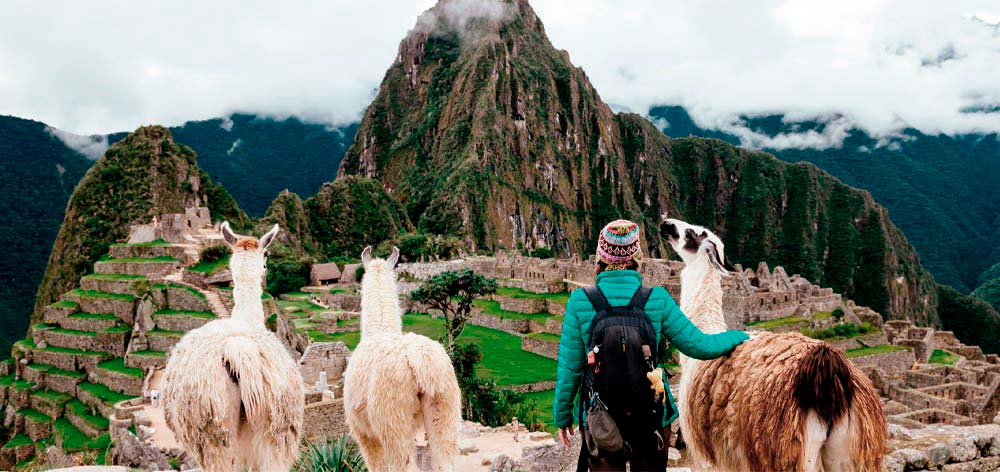
Lima has been named the gastronomic capital of Latin America. With that fame, it’s very difficult for any restaurant to enter any list that is made about the best restaurants in Lima. Peruvians love to eat well, this means eating plenty, with a fair relationship between price-quality, and the best taste. So, if you’re travelling to Lima Peru, discover the best places to eat here!
This restaurant is a jewel in the crown of Peruvian gastronomy. Ranked 1st on the list of the 50 best Latin-American restaurants, Central has taken Peruvian food to another level. This project of the award-winning chef Virgilio Martinez, faithful believer and defender of native Peruvian ingredients from different regions, is a must stop for the most demanding palates (and the loosest budgets) who visit Lima.
Address: Av. Pedro de Osma 301, Barranco
This innovative restaurant combines Peruvian food with innovative cooking techniques, to achieve high quality dishes that maintain the traditional flavors of Peruvian coast cuisine. Saha Terraza has a new, pleasant and fresh atmosphere, and it’s a great choice for a hearty and delicious Peruvian meal.
Address: Calle Bolívar 164, Miraflores

This restaurant combines the best of Nikkei cuisine with Peruvian flavors. By definition, “nikkei” are people or traditions of Japanese descent. In the case of Maido, this is marked in a proposal that has managed to be named as the number 1 among the best restaurants in Lima, for two consecutive years. It is know as one of the Best Restaurants in Lima by the 50 Best.
Address: Calle San Martin 399, Miraflores
You can also read: Top 5 tourist attractions in Peru
Faithful to the tradition of not eating ceviche at night, La Mar is the perfect “cevichería” for lunch. The menu is very dynamic as it changes depending on what the sea has to offer in the day, so you can go several times without getting bored. They don’t attend at night, except private events. Definitely you can’t leave Lima without trying one of the best ceviches in the city. You get that at La Mar!
Address: Av. Mariscal La Mar 770, Miraflores
Isolina is one of the best restaurants in Lima to try traditional generously served food in a pleasant and casual atmosphere. The price-quality ratio is second to none. Also, the concept of tavern makes everything much more relaxed for diners. You don’t need a reservation, but you should probably wait a bit for a table because it fills up every day.
Address: Av San Martin 101, Barranco
Chifas are restaurants that merge Chinese and Peruvian cuisine. Thanks to the enormous influence of Chinese migration to Peru at the beginning of the last century, today we can enjoy a unique meal that combines oriental culinary techniques with the best flavors, both Chinese and Peruvian.
One of the best places to try this fusion food is Chifa Hong Kong in Miraflores: simple, cozy, with good prices and the best flavors.
Address: Jr. Unión 126, Barranco

Traveling to Lima is synonymous with tasting the traditional “jamón del país”, “chicharrón” and “pavo a la leña” sandwiches of La Lucha, always made with fresh ingredients and prepared at the moment. Huayro fries are some of the best you will taste in all of Peru. They have several venues so you have no excuses.
Address: Diagonal 308, Miraflores
You can also read: What to see in Lima?
Mayta is among The World’s Best Restaurants 2022 and The Latin America’s 50 Best Restaurants 2022. It’s a contemporary Peruvian cuisine restaurant and pisco bar in Lima, Peru, where the traceability of indigenous products is always sought, combining contemporary culinary techniques with local products to create sophisticated and modern dishes.
Address: Av. Mariscal La Mar 1285, Miraflores
Panchita is the restaurant of Gastón Acurio, one of the most recognized chefs of Peruvian cuisine. A few blocks from Kennedy Park in Miraflores, Panchita is one of the restaurants preferred by locals and tourists.
In its menu you will find the most traditional dishes of Peru as the “anticuchos” (beef heart skewers), tacu tacu (mixed rice and perfect seasoned beans), and desserts like picarones (Peruvian donuts).
Address: C. 2 de Mayo 298, Miraflores
With such a varied list of the best restaurants in Lima for all tastes, it’s impossible to run out of options to try the best of Peruvian cuisine in a city like Lima, known worldwide for its tasty food. We hope this information has been useful to you!
Colourful Peru invites you to experience our country. We are committed to offer you the best options so you can live a Colourful journey. If you want to know more about our suggested journeys, do not hesitate to get in touch with us.

Peru is a fascinating destination that stands out for its cultural richness, its natural and archaeological wonders and for being one of the best food destinations in the world. If you are planning to travel to Peru, get to know the best tourist attractions in Peru on a journey of discovery, landscapes full of magic and mysteries associated with powerful ancient civilizations.
The Historic Sanctuary of Machu Picchu is the most visited tourist destination in Peru and America. It is an ancient Inca city that is located in the heart of the Peruvian Andes. It was built in the 15th century, during the Inca period. It is believed that this sacred city was an important place of religious worship and rest during the reign of the Inca Pachacutec.
In 2007, Machu Picchu was declared one of the 7 wonders of the modern world. The Inca llacta (city) of Machu Picchu has the most impressive Inca architecture because the city houses countless stone buildings, such as la Casa del Guardián, la Plaza Sagrada, el Reloj Solar, el Templo del Sol, el Templo del Cóndor, la Roca Sagrada, etc.
In the surroundings of the Inca city are also located Machu Picchu and Huayna Picchu mountains. Moreover, the Inca Trail, one of the most famous trekking routes, finishes here.
The Colca Valley is an extensive valley of fertile land bordering the Colca River. It is also known as the “Valley of Fire”. It is another of the most important attractions of Peru because here is the Colca Canyon (one of the deepest canyons in the world), los Baños Termales de la Calera, and the famous viewpoint la Cruz del Cóndor, where you can appreciate the flight of condors.
The Colca Valley also stands out for: the beauty of its landscapes and natural scenery, the customs and traditions of its people, its varied flora and fauna, and for the various pre-Inca and Incas archaeological complexes it houses in its extensive valley.
Another reason to visit the Colca Valley is to enjoy outdoor activities and practice adventure sports, such as canoeing, trekking, climbing, canopy and mountain biking.

Choquequirao Archaeological Park is another of the best tourist attractions in Peru. Therefore, in 2017 it was declared as one of the world’s best hiking trails. The Inca ruins of Choquequirao is considered as the last Inca refuge because the last Incas who resisted the Spanish invasion took refuge here.
The Inca city of Choquequirao is located between the foothills that form the Grand Canyon of Apurimac and the snow-capped Salkantay. Choquequirao stands out for its buildings, platforms, temples, water fountains and residential areas that are distributed among the mountains. In addition, it has an architectural resemblance to Machu Picchu, which is why it is considered the sacred sister of Machu Picchu.
You can also read: What is the best time to visit machu picchu and its surroundings?
The Nazca Lines are a group of ancient geoglyphs engraved on desert sand. They are located in the Nazca Valley, Palpa Valley and the Jumana Desert. These enigmatic geoglyphs were created by the men of the Nazca Culture (200 B.C. – 700 A.D.) and spread over an area of 450 km².
The size of the geoglyphs ranges between 50 and 300 meters and have various shapes: geometric, zoomorphic, phytomorphic and anthropomorphic figures. And among the most famous lines and geoglyphs we can mention: hummingbird, monkey, frigate bird, giant bird, spider.
For most scholars, the Nazca Lines were a huge astronomical calendar or a place of water worship. The best way to visit the Nazca Lines is to fly over. To do this, you should take an aircraft flight, from Pisco or Paracas.

Lake Titicaca is the highest navigable lake in the world. It is one of the largest freshwater reserves in South America. It is located on the Collao plateau, between Peru and Bolivia. It has an extension of 8562 km² and a depth of 281 meters. And according to Andean mythology, from the cold and clear waters of this lake emerged the founders of the great Inca empire.
In the surroundings of this beautiful lake, the pre-Inca cultures developed: Tiahuanaco and Pucará. And today, many customs and traditions of these aboriginal peoples still survive in the local population that inhabits the many islands that are within the lake Titicaca.
The most beautiful resorts you can visit within and around Lake Titicaca are: Uros floating islands (made from totora), Amantaní Island, Taquile Island and the Chullpas of Sillustani. And among the most recommended tourist activities you can enjoy here are: experiential tourism, adventure sports in flat waters and sport fishing.
These were 5 famous tourist attractions in Peru. Take advantage of your next vacation to create beautiful memories with your family, partner or friends. We hope this information has been useful to you!
Colourful Peru invites you to experience our country. We are committed to offer you the best options so you can live a Colourful journey. If you want to know more about our suggested journeys, do not hesitate to get in touch with us.

Are you going to take a tour to Machu Picchu? Near the Peruvian city of Cuzco, on top of a mountain, is the extraordinary historical sanctuary of Machu Picchu. Located at 2,453 meters above sea level and surrounded by a majestic mountain landscape, this place was once an important palace and religious sanctuary for the Incas, the largest empire in pre-Columbian America.
Given its location, symbolism and beauty, it is no surprise that this ancient archaeological site is one of Peru’s greatest treasures. Learn about Machu Picchu history, from its beginnings as an Inca settlement to the origin of its current popularity.
The ruins of Machu Picchu are located 80 kilometers from the city of Cusco, in the province of Urubamba, Peru. To get to them you have to climb to the top of the Andes, over the valley of the Urubamba river. The complex is located between the peaks of the Huayna Picchu and Machu Picchu mountains, about 450 meters above the valley level and 2,360 meters above the sea level.

It is believed that the citadel of Machu Picchu was built around 1450 by orders of Pachacútec, the first great sovereign of the Inca Empire. The luxurious urban complex was built between the mountains of Machu Picchu and Huayna Picchu, which rise above the Sacred Valley of the Incas.
Besides being close to the Inca capital of Cuzco, the climatic and geographical conditions of this area were ideal for corn and coca cultivation, a medicinal plant of great ritual value for the Incas.
Machu Picchu was a classic Inca llacta (city), with a mobile population ranging from 300 to 1000 inhabitants. The citadel was divided into two areas: in the urban area were residences and religious sites, such as the Temple of the Sun or Torréon, while the agricultural area consisted of several staggered cultivation terraces built on the mountainside.
Despite its splendor, the Inca Empire was weakened by the start of a civil war in 1529, and in 1532 was annexed to the territories of the Spanish Crown. Although the Spaniards probably knew of its existence, the remote location of Machu Picchu made it considerably ignored by the colonial regime.
Proof of this is that no Christian temples were built in the citadel, something common in the “pagan” cult sites conquered by the Spaniards. Less than a century after its creation, Machu Picchu became uninhabited, and was soon covered by the dense vegetation of the mountain.
You can also read: What is the best time to visit Machu Picchu and its surroundings?
Beginning in the 19th century, various scientists and explorers began to talk about the existence of a “lost city” among the Peruvian Andes. These rumors reached Hiram Bingham, a professor of South American history at Yale University.
Intrigued by the possibility of finding it, Bingham decided to make an expedition through the Sacred Valley of the Incas in 1911. Guided by Melchor Arteaga, a local tenant, Bingham climbed the Huayna Picchu mountain and reached the ruins on July 24, 1911.
Although he was not a professional archaeologist, the professor was surprised by the majesty of the area, and got sponsorship from Yale University, the National Geographic magazine and the Peruvian government to study the site in depth.
Between 1912 and 1915, Bingham and his team made archaeological excavations in Machu Picchu, removing brushwood and exploring the tombs of the citadel. National Geographic published an article on the discovery in 1913. Thus, the citadel of Machu Picchu was placed under international spotlights.
The idea that Bingham “rediscovered” Machu Picchu is controversial, as the local inhabitants were always aware of its existence.
In addition, it is important to mention that although Bingham was the first to recognize the importance of making archaeological studies in the area, he is also credited with extracting more than 46,000 archaeological pieces, including mummies, bones and ceramic pieces, which were subsequently moved and sold illegally in the United States.
Many were sent to Yale University’s Peabody Museum. After years of dispute with the Peruvian government, the university began the repatriation of artifacts in 2011.

In 1981, the area surrounding Machu Picchu was declared a historic sanctuary by the Peruvian government, a name that protects both the archaeological site and the flora and fauna that inhabit it. Moreover, It has been a UNESCO World Heritage Site since 1983.
Today, the citadel of Machu Picchu is the most visited tourist site in Peru. Each year it receives 1.5 million visitors, who travel a long way to marvel at the beauty of this unique place in the world.
Now you know the history of Machu Picchu. Are you planning to visit the Inca citadel? We are sure you will be delighted with its beauty and majesty. We hope this information has been useful to you!
Colourful Peru invites you to experience our country. We are committed to offer you the best options so you can live a Colourful journey. If you want to know more about our suggested journeys, do not hesitate to get in touch with us.
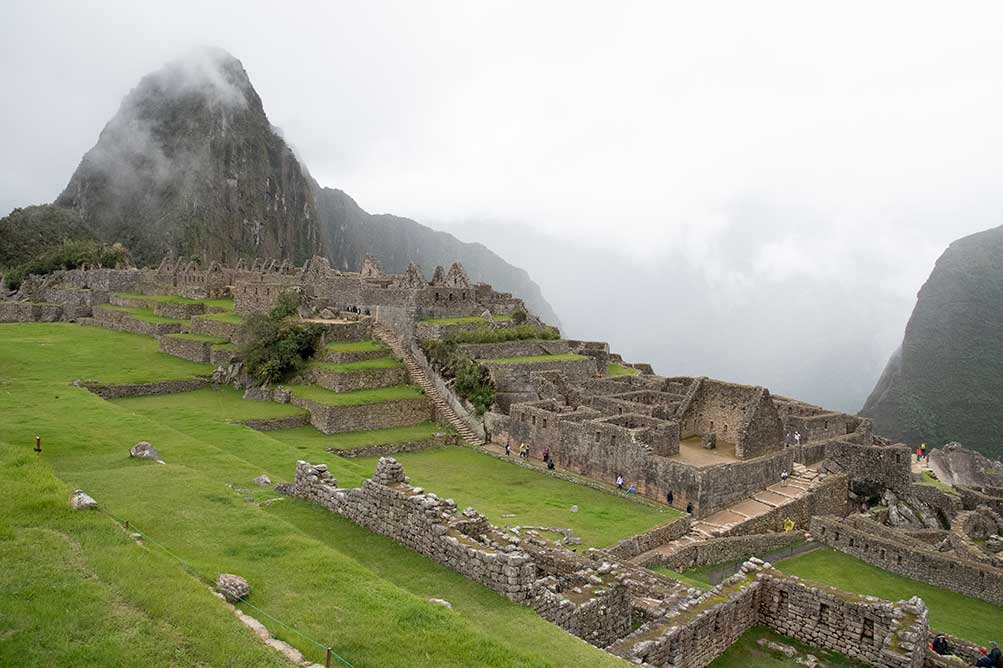
One of the most frequent questions asked by tourists when planning a trip to Machu Picchu is: how to get there? There are 3 ways to get to the Inca City: the Inca Trail, the alternative route through Santa Teresa and the train route. The latter is the fastest, most comfortable and safest way. Keep reading in order to discover how to get to Machu Picchu!
Machu Picchu is located in the Andes of Cusco, Peru. The shortest way to get from Cusco to Machu Picchu is by train. To do this you must travel approximately 120 kilometers (74 miles) of paved roads and rail tracks.
Another way to get there is through the alternative route of Santa Teresa (153 kilometers or 95 miles). This track combines a bus ride with a train (or walking) ride. Finally, the third way to get to Machu Picchu is with the Inca Trail. In Colorful Peru, we offer 2 options: the hiking trail that lasts 2 days and 1 night and the hiking trail that lasts 4 days and 3 nights.

To get from Cusco to Machu Picchu by train, you must follow these steps:
To get from Cusco to Machu Picchu through the alternative route of Santa Teresa, you must follow these steps:
Colorful Peru does not recommend this route because it is very long and dangerous, especially in the rainy season.
You can also read: What is the best time to visit Machu Picchu and its surroundings.

To get from Cusco to Machu Picchu with the Inca Trail, you just have to buy a tour online. Remember to do this 4 or 5 months in advance.
The itinerary of the Inca Trail is usually as follows:
These were 3 ways to get to Machu Picchu. This is a magical, mystical and very special place that is totally worth visiting. It is best to do it with a good guide, that makes you understand all the symbolism, spirituality and history of the place; you will definitely feel the energy. We hope this information has been useful!
Colourful Peru invites you to experience our country. We are committed to offer you the best options so you can live a Colourful journey. If you want to know more about our suggested journeys, do not hesitate to get in touch with us.


Our team will be contacting you as soon as possible.
