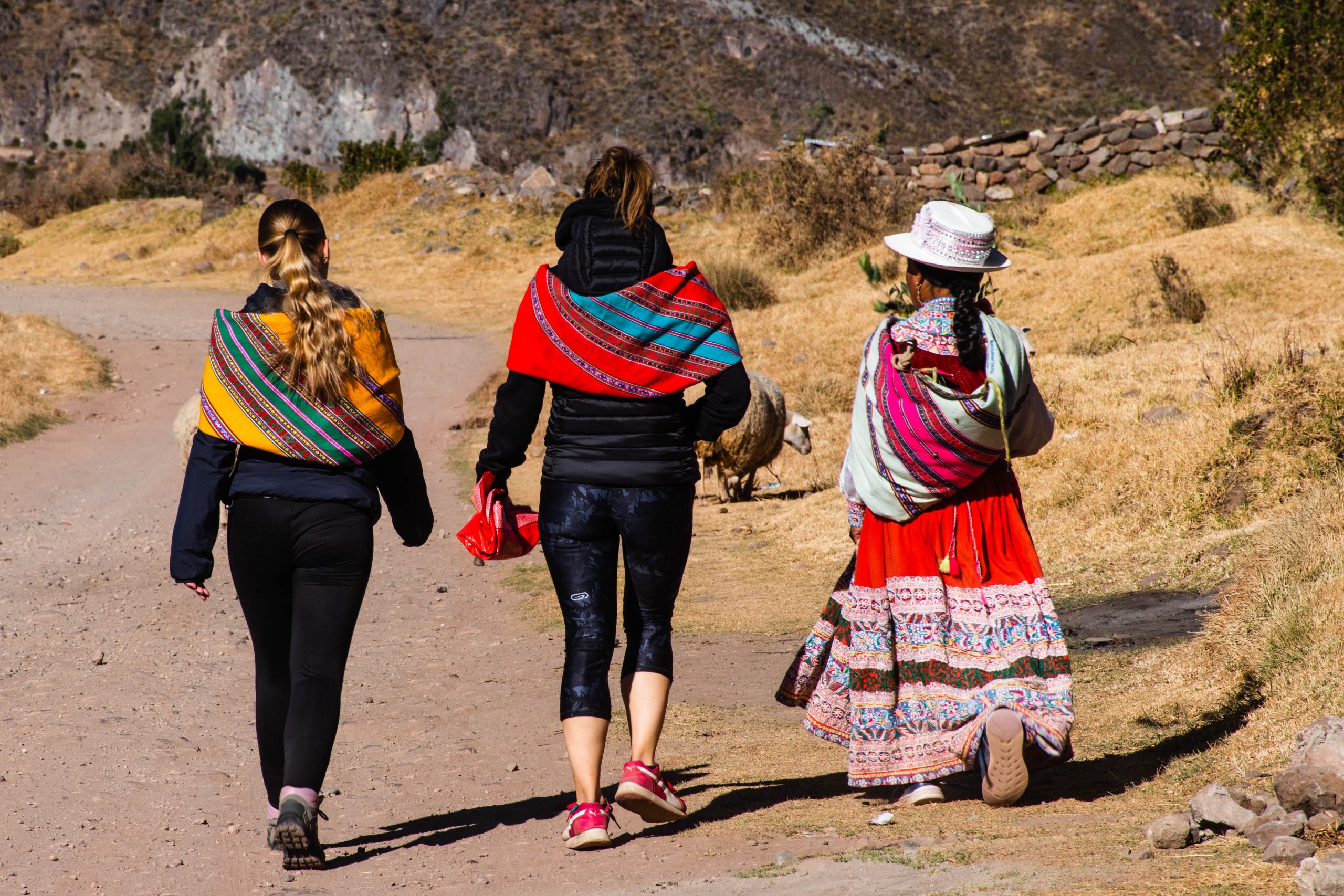
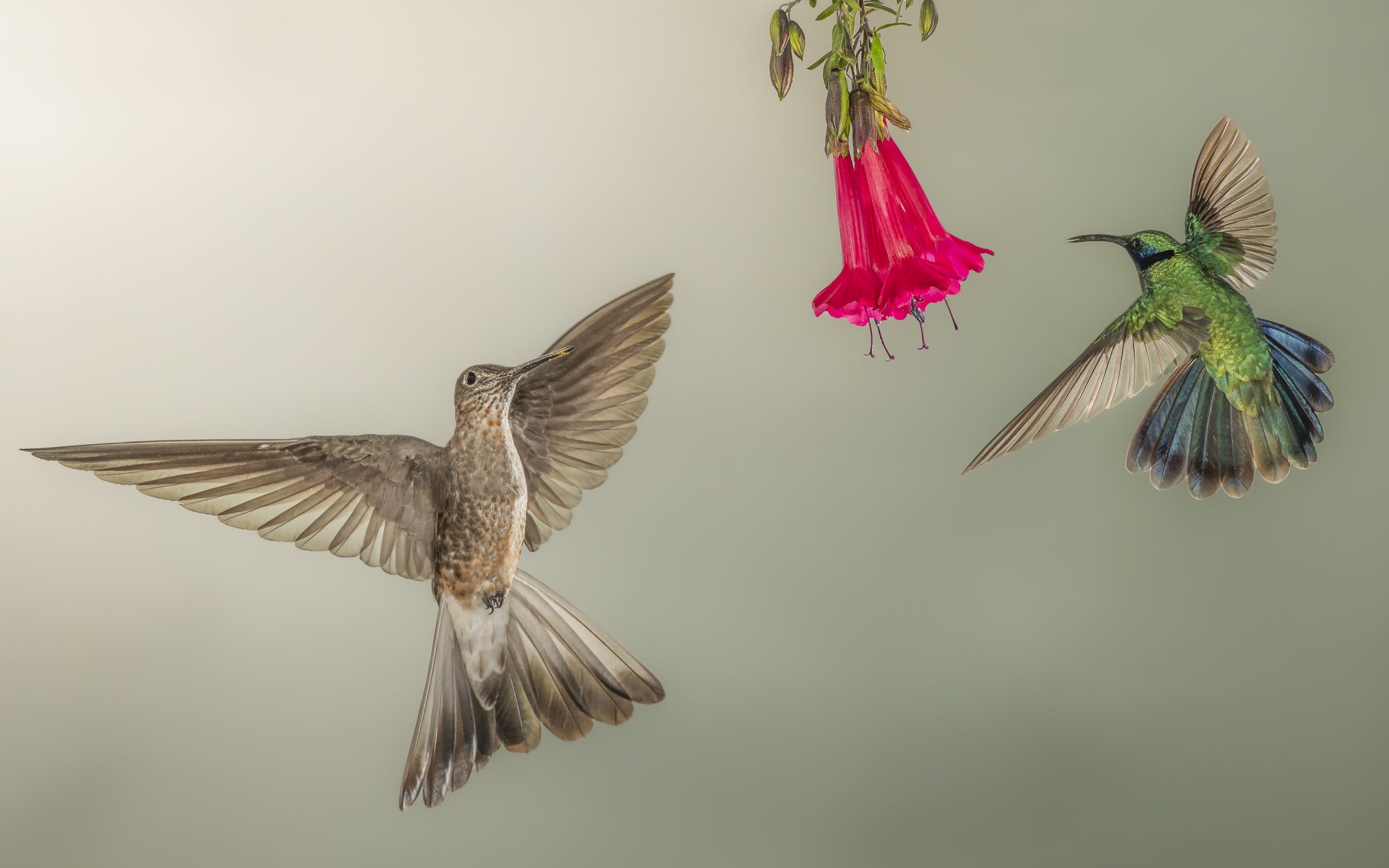
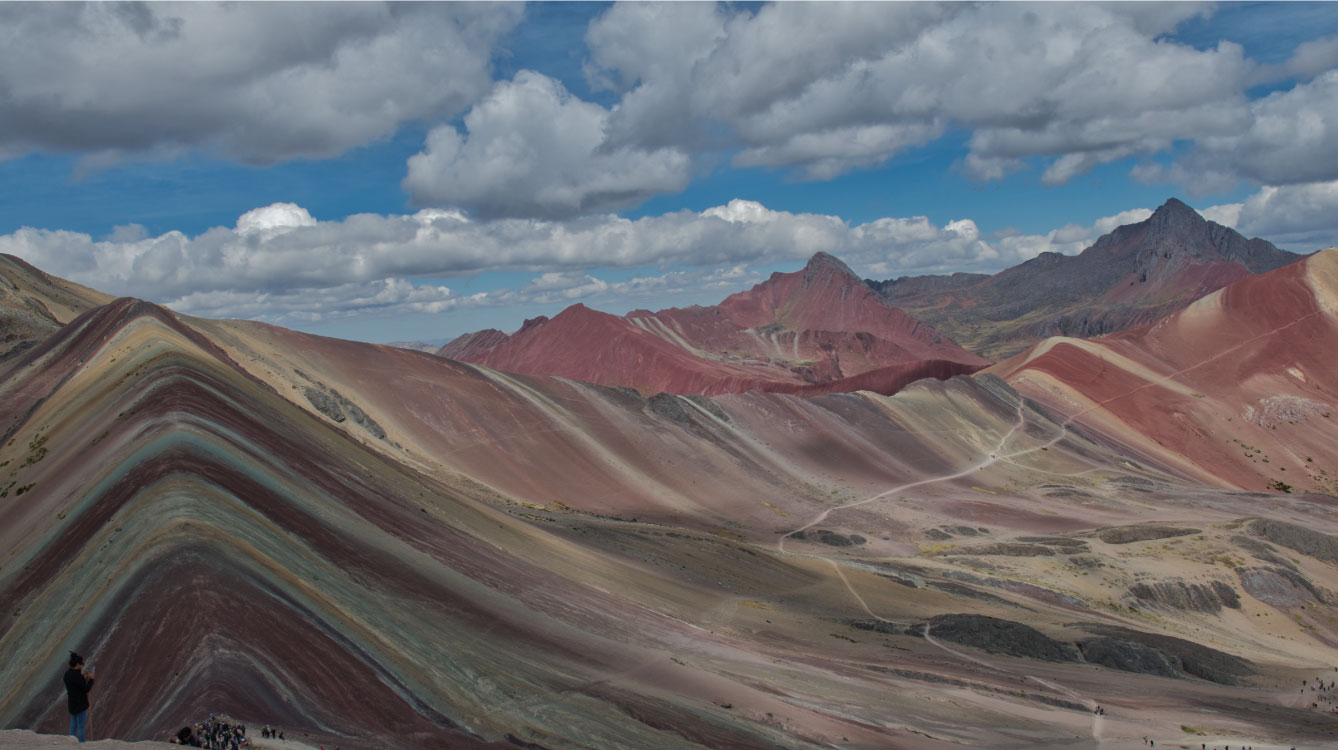
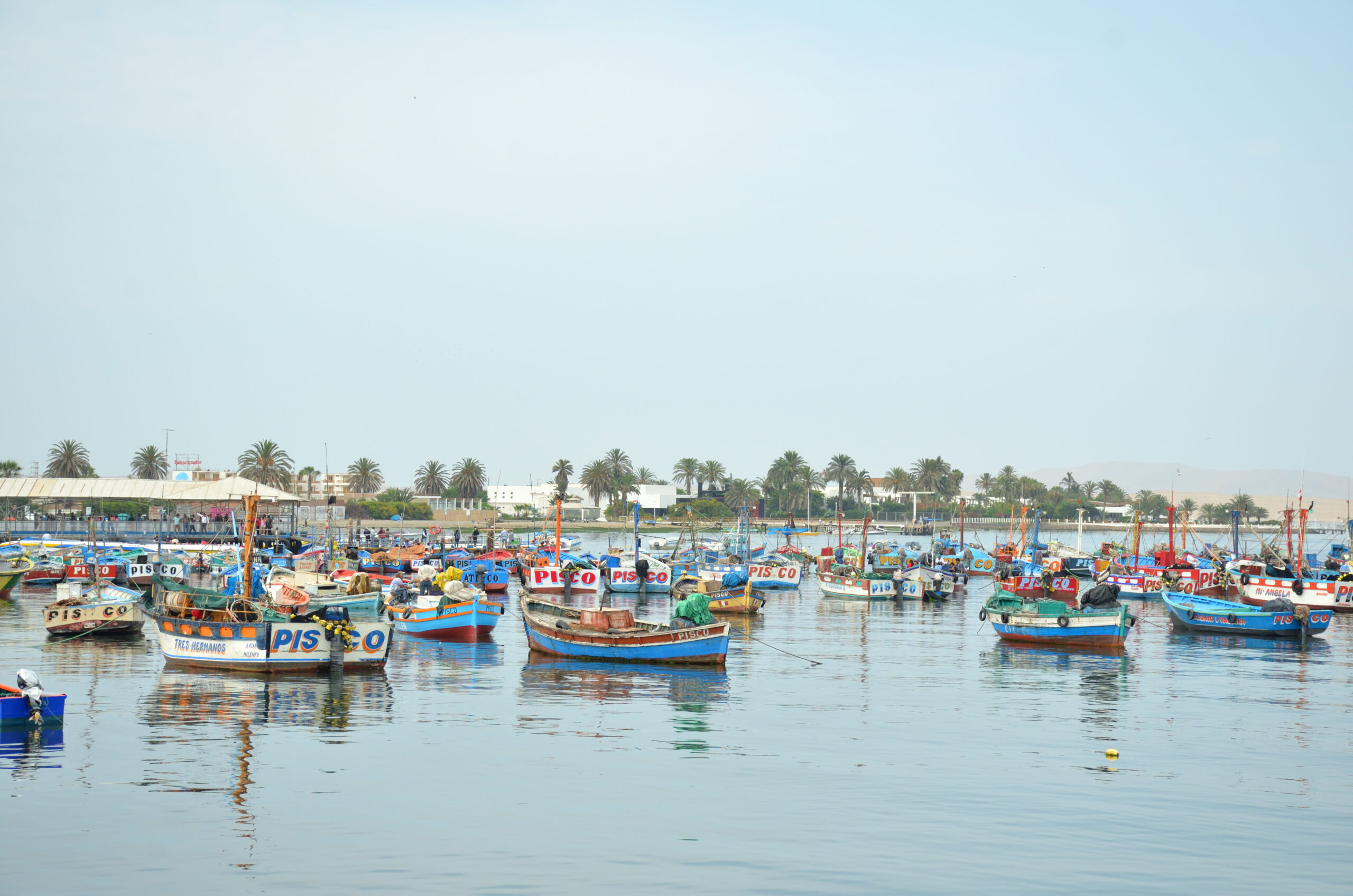
There are places in Peru that go beyond landscapes—places where culture is not something you observe, but something you feel. Lake Titicaca experiences offer exactly that: a deep, meaningful connection with living traditions, ancestral knowledge, and communities that have preserved their way of life for centuries.
Far from the classic image of Peru limited to Machu Picchu, the waters of Lake Titicaca reveal a different kind of wonder—one rooted in authenticity, human connection, and cultural immersion.
Lake Titicaca Experiences That Redefine Travel
Located high in the Andes, Lake Titicaca is not only the highest navigable lake in the world but also one of the most culturally rich regions in South America. Here, every island tells a story, and every interaction becomes part of your journey.
Exploring the islands of Uros, Taquile, and Amantaní is not about ticking destinations off a list. It’s about slowing down, engaging with local communities, and experiencing Peru in a way that transforms the traveler.
The Floating World of the Uros: A Culture Built on Water
Your journey begins with one of the most unique Lake Titicaca experiences: visiting the floating islands of Uros Islands.
Built entirely from totora reeds, these islands are home to families who have lived on the water for generations. Walking on the soft, floating ground is the first reminder that this is not a typical destination.
But beyond the visual impact, what truly defines this experience is the human connection. Listening to the stories of the Uros people, understanding how they construct and maintain their islands, and sharing moments of daily life creates a sense of closeness that few destinations can offer.
Here, tourism becomes a bridge—an opportunity to support local communities while gaining insight into a way of life shaped by resilience and adaptation.
Taquile Island: Where Tradition Is Woven Into Every Thread
Sailing further into the lake, you arrive at Taquile Island, a place where time seems to move differently.
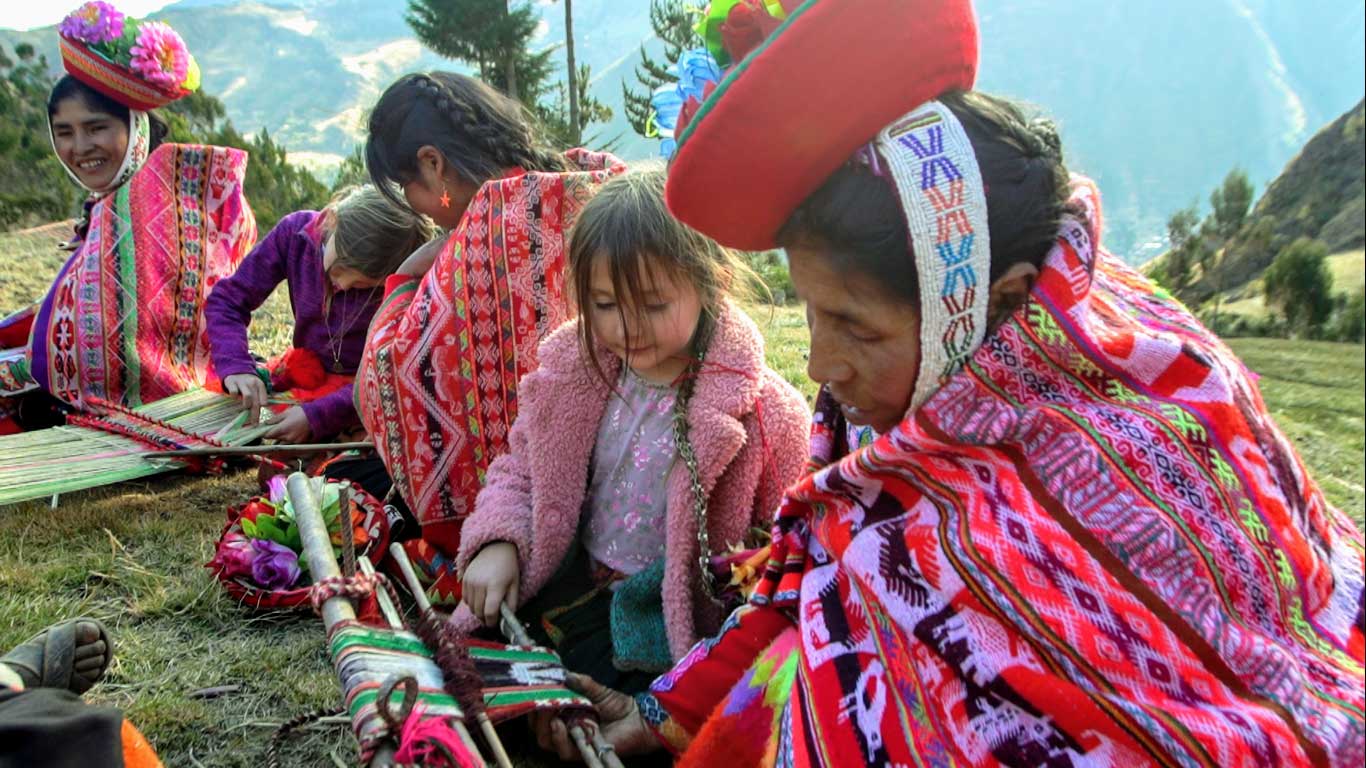
Taquile is known for its extraordinary textile tradition, recognized by UNESCO as part of the world’s intangible cultural heritage. What makes this even more remarkable is that it is the men of the island who knit—creating intricate pieces that tell stories about identity, status, and community.
One of the most enriching Lake Titicaca experiences here is simply walking. As you hike along ancient paths overlooking the deep blue lake, you begin to understand the rhythm of life on the island.
Meals are shared with breathtaking views, often prepared with local ingredients, and every conversation offers a glimpse into a culture that values simplicity, community, and balance.
Amantaní Island: A Night That Changes Your Perspective
If there is one moment that defines transformative Lake Titicaca experiences, it is spending the night on Amantaní Island.
Unlike traditional experiences, staying in Amantaní means becoming part of the community. Local families open their homes to travelers, offering not just accommodation, but genuine hospitality.
There is something powerful about sharing a home-cooked meal, learning a few words in Quechua, and participating in daily routines. As the sun sets over the lake, the silence and vastness of the landscape invite reflection.
At night, under a sky filled with stars, you realize that this is not just a visit—it’s a connection.
Why These Lake Titicaca Experiences Matter Today
In a world where travel is often rushed and superficial, experiences in Uros, Taquile, and Amantaní offer something different: depth.
These islands represent a model of sustainable tourism where communities are active participants, cultural heritage is preserved, and travelers leave with more than just photos—they leave with perspective.
For Colourful Peru, this is the essence of travel: creating journeys that go beyond expectations, that connect travelers with the soul of a destination, and that contribute positively to local communities.
Redefining Peru Through Meaningful Experiences
Repositioning Peru means showing the world that its richness lies not only in iconic landmarks, but in the diversity of its cultures and the authenticity of its people.
Lake Titicaca experiences are a perfect example of this vision. They invite travelers to slow down, to listen, and to truly engage.
Because sometimes, the most unforgettable journeys are not about where you go—but about the connections you make along the way.
Live a Colourful Experience with Colourful Peru.
Lake Titicaca Experiences: Discover Uros, Taquile and Amantaní Beyond the Ordinary
Peru Beyond Machu Picchu. For years, talking about Peru meant talking about Machu Picchu. And while this iconic destination continues to inspire travelers from all over the world, at Colourful Peru we found ourselves asking an honest question:
Is this everything Peru truly is?
Deep down, we knew the answer.
Peru is not just one place. It is a vibrant blend of landscapes, cultures, flavors, and emotions that simply cannot be captured in a single image. That realization led us to a defining decision: to change the way we present Peru to the world.
From destinations to life-changing experiences
We didn’t want to offer trips. We wanted to create experiences.
We wanted every traveler to go beyond visiting—to truly feel Peru. To connect with Andean communities, to breathe in the vastness of the Amazon, to be moved by a sunset in the desert, and to discover the living stories hidden in every corner of the country.
Because when you truly experience Peru, something shifts inside you.
We live for that moment when a traveler tells us: “This exceeded everything I imagined.”
That is when we know we are on the right path.
Rediscovering a country that was always there
Peru has always been extraordinary. What has changed is how we choose to tell its story.
We focus on experiences that emerge in unexpected places. On landscapes that are still off the beaten path. On stories that are not always told.
From navigating the rivers of the Amazon to sharing a table filled with history and flavor, to immersive experiences in the Andes where culture is not a performance but a way of life—this is the Peru we believe in.
Peru doesn’t need to be reinvented. It simply needs to be shown more truthfully.
Proud of our living culture
One of the pillars of our vision is a deep respect and pride for Peru’s living culture.
These are not traditions of the past—they are alive, evolving, and present in every community, every textile, every celebration, and every shared story.
We believe in a kind of tourism that connects and respects. That understands that behind every experience there are people, knowledge, and identities that deserve to be preserved.
By showing Peru this way, we don’t just transform the traveler’s journey. We help keep these cultures alive.
Nature to be respected, not just observed
From the Amazon rainforest to the Andes, from the desert to the Pacific coast, Peru is one of the most biodiverse countries on Earth.
But for us, nature is not just a backdrop. It is a delicate balance we must protect.
That’s why every experience we design seeks to create a positive impact. We work with communities and conservation-driven projects that see tourism as a tool for preservation—not exploitation.
We want travelers not only to be amazed by what they see, but to leave with a deeper understanding of the world.
Gastronomy as an emotional journey
To speak about Peru is also to speak about its cuisine.
But beyond awards and recognition, what truly matters is what happens around the table.
Peruvian gastronomy is connection. It is history. It is identity.
It is that moment when a dish becomes a bridge between the traveler and the land, its ingredients, and its people.
From vibrant local markets to curated culinary experiences, we believe that food can become one of the most powerful memories of any journey.
Peru Beyond Machu Picchu—without leaving it behind
This is not about replacing Machu Picchu. It is about placing it in context.
It is about understanding that it is part of something much bigger, richer, and more diverse.
We want travelers to arrive at Machu Picchu with a deeper connection to Peru—so that the experience becomes even more meaningful.
Because when that happens, Machu Picchu is no longer just a destination. It becomes the culmination of a transformative journey.
A commitment driven by passion
This shift is not a trend. It is who we are.
At Colourful Peru, everything we do comes from a genuine love for this country—its people, its landscapes, and its stories.
We believe in its potential. We are inspired by every corner of it. And we feel a responsibility to share it in a more authentic, human, and complete way.
The invitation
Today, we invite you to discover Peru beyond Machu Picchu.
A Peru that surprises. That moves you. That transforms you.
A Peru that goes far beyond the obvious.
Because when you truly experience it, you realize that Peru is not just a destination… it is something that stays with you forever.
Live a Colourful Experience with Colourful Peru.
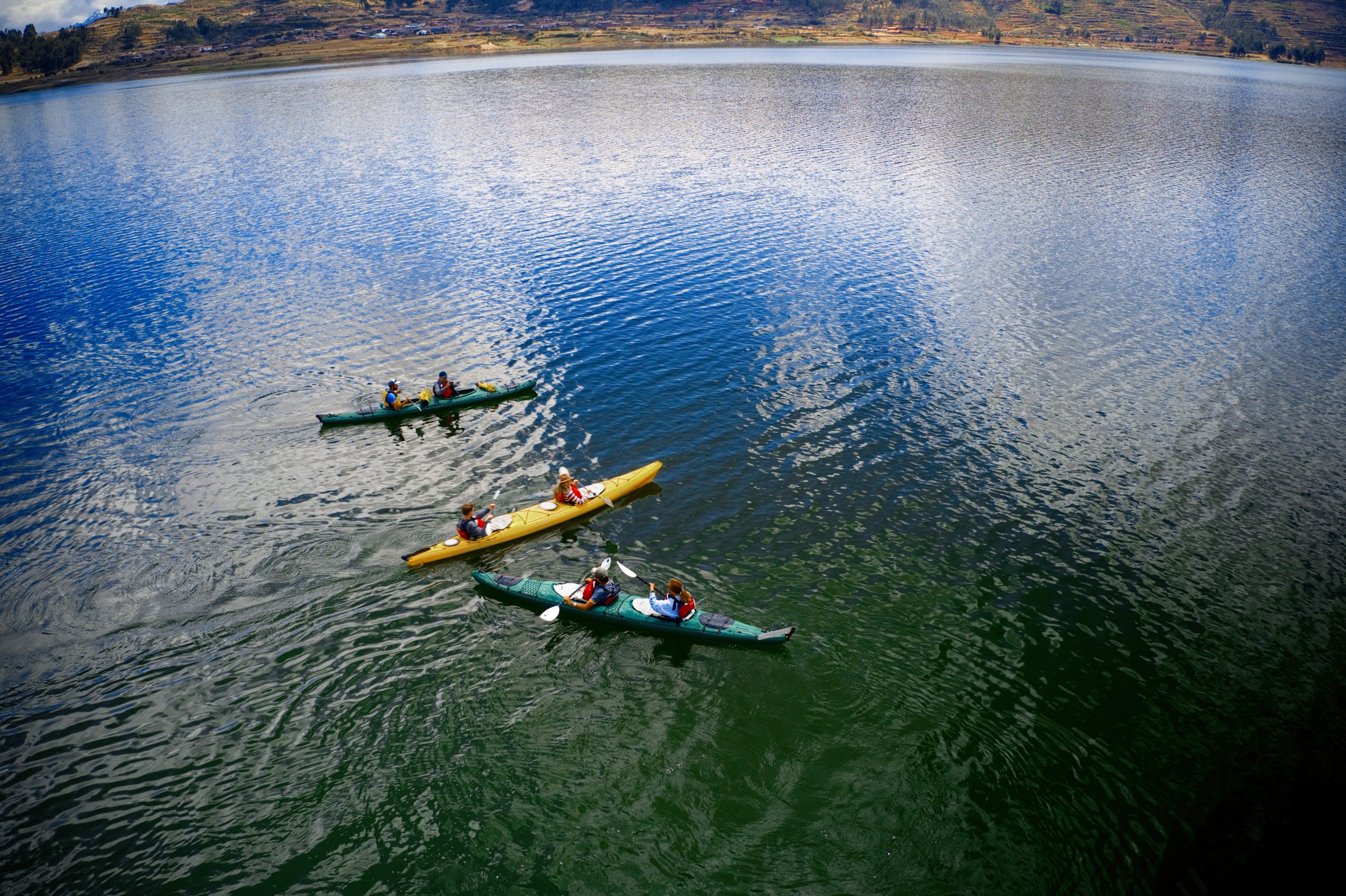
Peru Beyond Machu Picchu: Why We Decided to Change the Way We Show Peru
Peru travel without Machu Picchu? For years, Machu Picchu has been the main highlight of tourism in Perú. For many international travelers, visiting the country was practically synonymous with experiencing this world wonder.
However, in recent years, an increasingly common reality has begun to generate doubt, frustration… and drastic decisions: the lack of available tickets.
Today, the question is no longer hypothetical. It is real, urgent, and increasingly present in the tourism market:
Peru travel without Machu Picchu? does Peru stop being an option?
A Reality That Impacts Travel Decisions
More and more travel agencies and tour operators are facing a complex situation: travelers who, unable to secure entry to Machu Picchu for their travel dates, choose to change destinations or postpone their trip indefinitely.
This is not an isolated case. It is a growing trend.
The problem stems from a combination of factors:
Limited daily capacity to preserve the site
High global demand
Lack of advance planning by travelers
Constant changes in regulations and visiting circuits
The result: uncertainty.
And in tourism, uncertainty rarely sells.
A Structural Challenge for the Destination
Peru’s main challenge is not a lack of attractions. It is an overdependence on just one.
For decades, the country’s promotion strategy has revolved around Machu Picchu as its flagship icon. This has created a powerful—but fragile—positioning.
When the main “hook” fails, the entire destination feels the impact.
This raises necessary questions:
Is Peru effectively communicating the diversity of its tourism offer?
Are we educating international travelers about everything they can experience in the country?
Is it sustainable to depend on a single destination to drive tourism demand?
Peru: So Much More Than Machu Picchu
Reducing Peru to Machu Picchu means overlooking one of the most diverse countries on the planet.
Beyond the Inca citadel, the country offers unique experiences that can, on their own, justify an entire journey:
Living Culture in the Andes
In Cusco and the Sacred Valley, travelers do more than visit archaeological sites—they immerse themselves in authentic experiences:
Workshops with local communities
Hikes through breathtaking Andean landscapes
Traditional gastronomy using ancestral ingredients
Untamed Nature in the Amazon
The Peruvian Amazon is one of the most biodiverse ecosystems in the world. From Puerto Maldonado, travelers can venture into protected reserves where every day is an exploration:
Wildlife observation
River navigation through the rainforest
Deep connection with nature
Desert, Ocean, and Wildlife
Just a few hours from Lima, destinations like Paracas and Islas Ballestas offer a completely different experience:
Impressive marine wildlife
Desert landscapes meeting the Pacific Ocean
Adventure and disconnection
A World-Class Gastronomic Destination
Peru is now recognized as one of the world’s top culinary destinations. From award-winning restaurants to vibrant local markets, every meal becomes part of the journey.
Changing the Narrative: From “One Destination” to a “Country Experience”
The current situation is not only a challenge—it is also an opportunity.
It is time to rethink how Peru is presented to the world.
Instead of asking: “Do you want to visit Machu Picchu?”
We should start asking: “What kind of experience do you want to have in Peru?”
This shift in narrative allows:
Diversification of demand
Reduced pressure on Machu Picchu
More complete and enriching travel experiences
Increased length of stay and higher traveler spending
The Role of Travel Designers and Operators
This is where specialized agencies play a key role.
It is no longer just about selling a destination—it is about designing experiences.
Educating travelers, anticipating challenges, and offering valuable alternatives will define success in the coming years.
A traveler who initially wanted Machu Picchu may discover that:
An Amazon journey can be just as impactful
Cultural immersion in the Andes can be transformative
The country’s diversity exceeds any initial expectation
So, Does Peru Stop Being an Option?
The answer is clear:
No. Peru does not stop being an option. But it does need to stop being seen as a single destination.
The lack of tickets to Machu Picchu should not be the end of a travel—it should be the beginning of a new way to discover the country.
Because Peru is not a place you visit once for a single icon.
It is a destination to be lived, explored, and rediscovered through every experience.
Looking to design a unique journey in Peru beyond Machu Picchu? Contact our team to create a tailor-made experience based on your travel style.
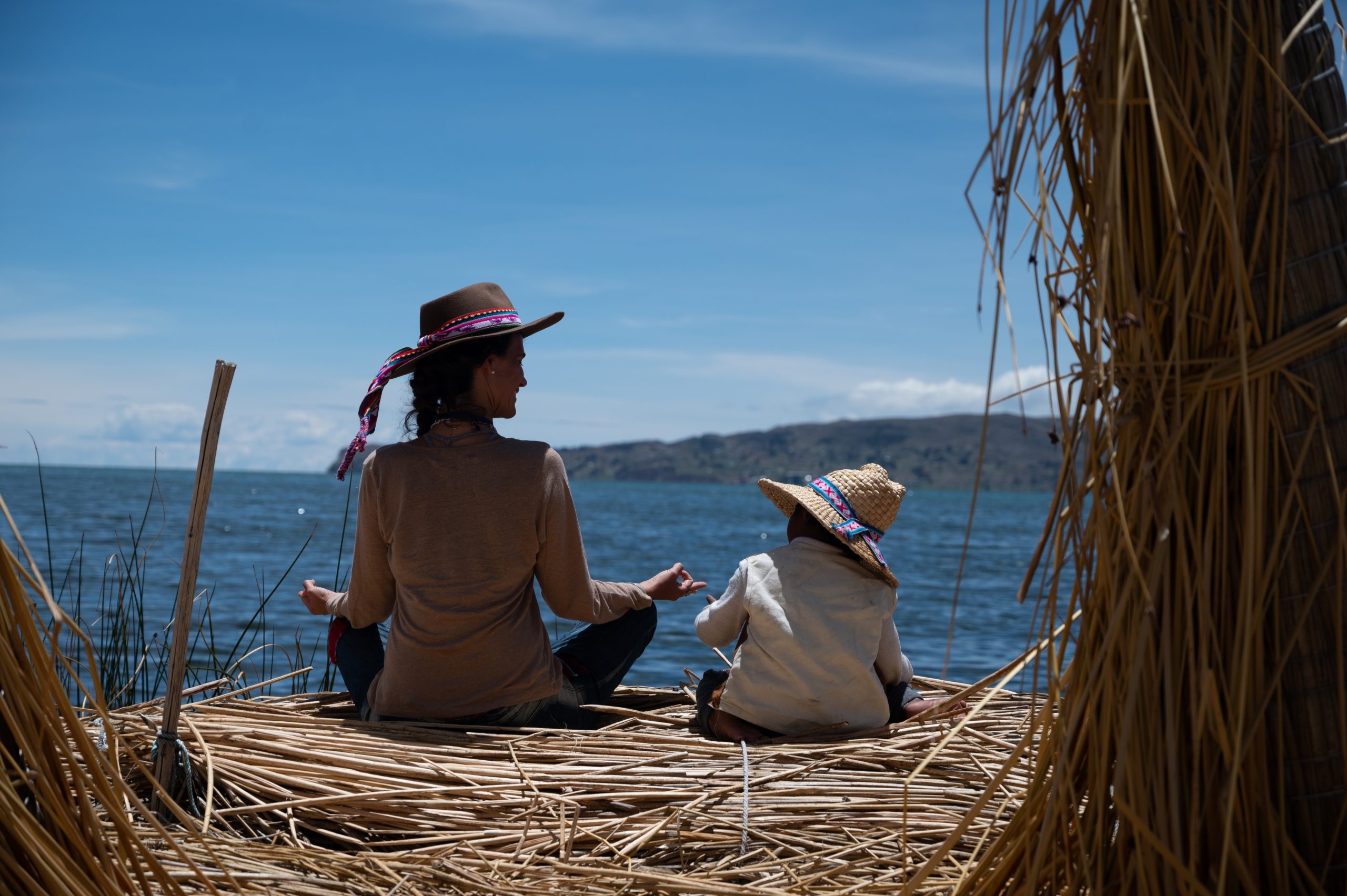
If There Are No Tickets to Machu Picchu, Is Peru Still Worth Visiting?
If you asked me what to visit in Peru with only 7 days, I’d probably smile first… because I’ve been there, standing exactly where you are now—excited, overwhelmed, and wondering how to fit a country this diverse into just one week.
Here’s the truth: you can’t see everything. But you can experience Peru in a way that feels rich, meaningful, and unforgettable.
So let me walk you through it like I would with a close friend—no fluff, no rushed checklists, just thoughtfully designed itineraries that balance culture, nature, and those moments that stay with you long after the trip ends.
Why 7 Days in Peru Is Enough (If You Do It Right)
Peru isn’t just one destination—it’s a collection of worlds. The Andes, the Amazon, colonial cities, ancient civilizations, vibrant markets… all layered into one country.
With 7 days, the key is focus and flow:
Minimize long travel days
Combine destinations that make sense geographically
Leave space to actually feel each place
Instead of trying to do everything, you choose a story. Below, I’ll show you three different “stories” depending on what kind of traveler you are.
Itinerary 1: The Classic Peru Experience (Lima + Sacred Valley + Machu Picchu)
Perfect if: It’s your first time and you want the iconic highlights done right.
You land in Lima, and instead of rushing, take it slow.
Walk along the cliffs of Miraflores, watch the sunset over the Pacific, and have your first real introduction to Peruvian cuisine. Trust me—this alone is worth the trip.
Day 2: Lima – Culture & Gastronomy
Explore the historic center, visit colonial streets, and dive deeper into the food scene.
This is where Peru begins to surprise you—not just visually, but through flavors, stories, and history.
Walk slowly, drink coca tea, and let the city reveal itself. Cusco isn’t just a stop—it’s an emotional entry into the Andes.
Day 4: Sacred Valley – Landscapes and Living Culture + Train to Aguas Calientes (PM)
Head into the Sacred Valley.
This is where everything starts to feel magical: terraces carved into mountains, local communities preserving traditions, and quiet moments surrounded by nature.
The train ride itself? One of those moments where you just sit back and think, this is unreal.
No matter how many photos you’ve seen, nothing prepares you for that first view. It’s not just the ruins—it’s the energy, the setting, the silence. Back to Sacred Valley.
Day 6: More Sacred Valley + Back to Cusco
Visit more sites in the valley, enjoy the culture and nature. At the end of the day go back to Cusco city.
Perfect if: You want variety—coast, desert, and mountains in one trip.
Day 1: Lima Arrival
Day 2: Paracas & Ballestas Islands
Travel south early in the morning.
Here’s where Peru surprises you again—wildlife, ocean views, and a completely different ecosystem.
Day 3: Huacachina Desert Experience
Sandboarding, dune buggies, and sunsets in the desert.
Yes, Peru has a desert oasis—and it’s as surreal as it sounds.
Day 4: Return to Lima & Fly to Cusco
Day 5: Sacred Valley
Day 6: Machu Picchu
Day 7: Return and Departure
Real Advice I’d Give You (That Most Guides Don’t)
1. Don’t Underestimate Travel Time
Distances in Peru are bigger than they look. Flights, transfers, and altitude all matter.
2. Altitude Is Real
Cusco and the Andes aren’t just “a little higher”—you’ll feel it. That’s why starting in the Sacred Valley can make a huge difference.
3. Less Is More
Trying to add the Amazon, Lake Titicaca, and everything else in 7 days? Not worth it. You’ll spend more time moving than experiencing.
4. Experiences Over Checklists
The best moments aren’t the famous ones. They’re:
A quiet morning in the mountains
A conversation with a local artisan
A meal you didn’t expect to love
So… What to Visit in Peru in 7 Days?
If I had to summarize it simply for you:
First time? Go for Lima + Sacred Valley + Machu Picchu
Love adventure? Add Rainbow Mountain or Humantay Lake
Want diversity? Combine coast (Paracas/Huacachina) with the Andes
Each option gives you a different version of Peru—but all of them are incredible.
Final Thought
Peru isn’t a place you just visit—it’s a place you feel.
Even in just 7 days, it has this way of slowing you down, surprising you, and connecting you to something deeper—whether it’s history, nature, or simply yourself.
If you plan it right, those 7 days won’t feel short at all.
They’ll feel complete.
Live a Colourful Experience with Colourful Peru.
What to Visit in Peru in 7 Days: Short but Complete Itineraries
Planning a Peru trip and want the route that feels iconic and personal—without turning your journey into a rushed checklist? This is the version I’d recommend to my best friend: you’ll begin with Lima’s coastal energy and world-class flavors, then ease into the Andes at the right pace, experience Machu Picchu as a full, unhurried day, and finish with the deep-blue calm of Lake Titicaca.
It’s “classic Peru,” but elevated: more breathing room, more meaning, and the kind of moments that stay with you long after you’re home.
Peru trip essentials: why this route works so well
This itinerary flows in the order your body (and your mood) will appreciate most:
Lima first to land softly and start with culture + cuisine.
Cusco second with smart acclimatization so altitude doesn’t steal your energy.
Sacred Valley before Machu Picchu for comfort, better pacing, and richer experiences.
A full-day Machu Picchu so you’re not racing the clock.
Lake Titicaca at the end as a calm, powerful finale.
If your goal is to feel Peru—its landscapes, its people, its rhythm—this structure is the difference between “I saw it” and “I lived it.”
Lima: ocean air, culture, and the first unforgettable meals
Lima is your gateway, yes—but it’s also the perfect prologue to your Peru trip. Start in Miraflores or Barranco, where you can walk safely, watch the Pacific roll in from the cliffs, and slip into Peru’s culinary universe without trying too hard.
Picture this: a slow sunset stroll along the Malecón, sea breeze on your face, then a table full of flavors—ceviche that tastes like pure freshness, causa layered with color, anticuchos sizzling from a street grill, and a pisco sour (or chicha morada if you want something light). Lima doesn’t ask you to rush. It invites you to arrive.
Cusco: acclimatize smart, then explore the city and nearby ruins
Cusco is where your Peru trip starts to feel epic. But here’s the truth I’d tell a friend: don’t try to “win” Cusco on arrival day. The altitude is real, and you’ll enjoy everything more if you take it gently at first—hydrate, walk slowly, and let your body settle.
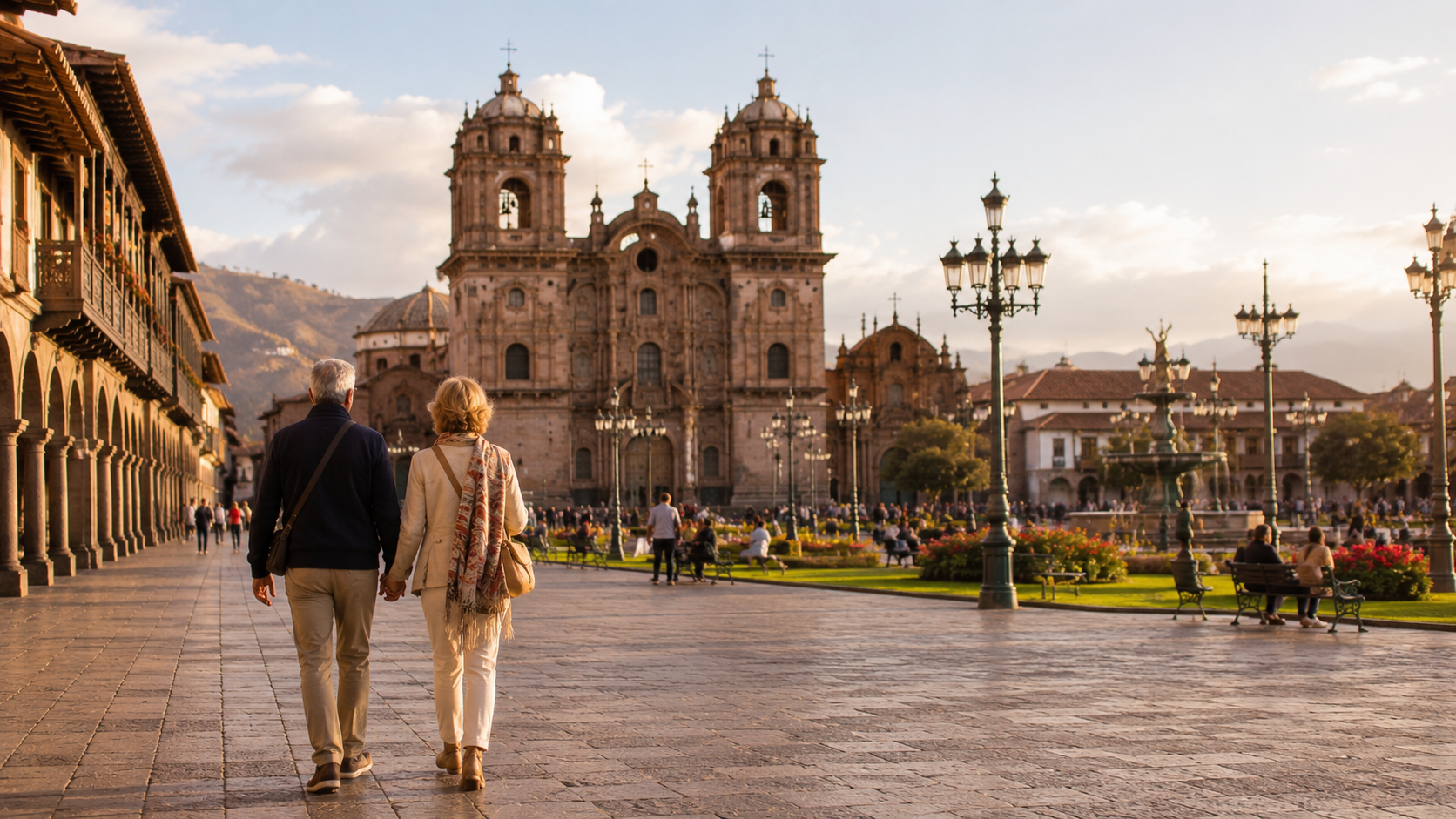
Once you’re acclimatized, Cusco becomes a living museum wrapped in warm light: the stone streets of San Blas, the grand Plaza de Armas, and the powerful layering of Inca foundations beneath colonial architecture.
A classic highlight is the Cusco City tour plus nearby ruins—places like Sacsayhuamán that make you stare at stones and wonder how human hands pulled off something so precise. And the best part? This tour is flexible. It can be done as a dedicated day, or shifted to the afternoon of your arrival so you can free up another day for a nature adventure.
The Sacred Valley: Maras, Moray, Ollantaytambo, and a deeper connection
The Sacred Valley is where Peru turns wide, green, and soulful. It’s not a corridor to Machu Picchu—it’s one of the most rewarding parts of the entire Peru trip.
You’ll feel it immediately when you visit Moray, those mysterious circular terraces that seem like an Inca laboratory carved into the earth. Then Maras opens into a surreal landscape of salt terraces spilling down the mountainside—white geometry against the Andes, glowing in the sun.
From there, Ollantaytambo brings history to life. This is an Inca town that never stopped being a town: stone streets, water channels, and a fortress that rises above you like a reminder of how much the Andes have always demanded—and inspired—human brilliance.
This is also why staying in the valley makes sense: it’s lower than Cusco, your sleep improves, your energy returns, and your body quietly thanks you.
Peru trip highlight: a full-day Machu Picchu with a relaxed return to the Valley
Here’s how you make Machu Picchu feel like the moment it should be: experience it as a full-day visit and return to the Sacred Valley afterward.
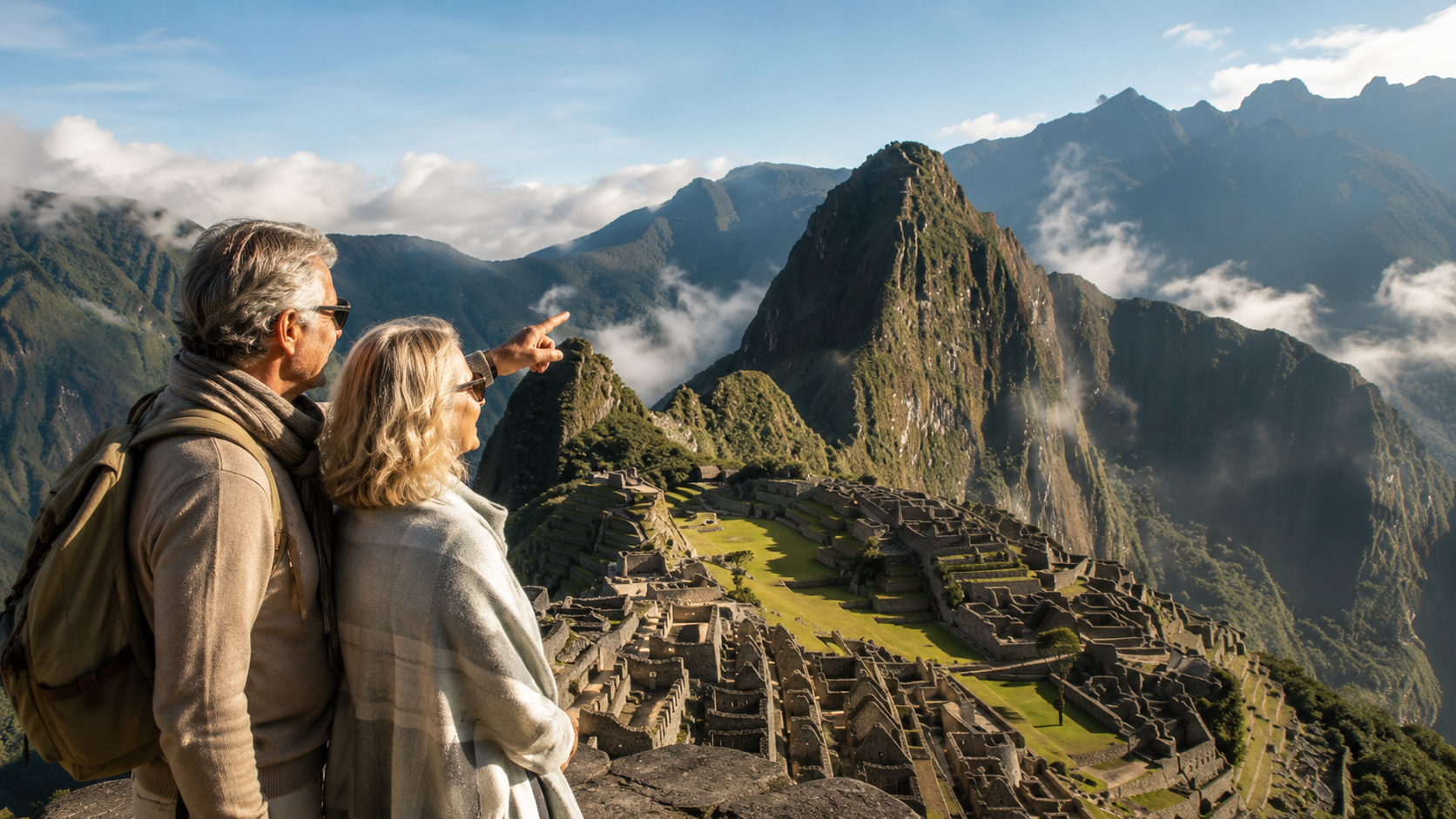
When you don’t have to rush, everything changes. You notice details. You breathe. You let the place speak. Machu Picchu isn’t just a view—it’s a feeling, like the mountains are holding something ancient and still alive. With a guide, the citadel becomes a story rather than a postcard: the engineering, the rituals, the alignment with nature, the reasons this site still feels almost unreal.
And then, instead of collapsing into stress or scrambling for the next connection, you return to the valley—comfortable, grounded, satisfied. That contrast is luxury in the truest sense.
Experience upgrade: an Andean community encounter and hot tubs by Lake Huaypo
This is where the itinerary becomes yours, not just “standard.”
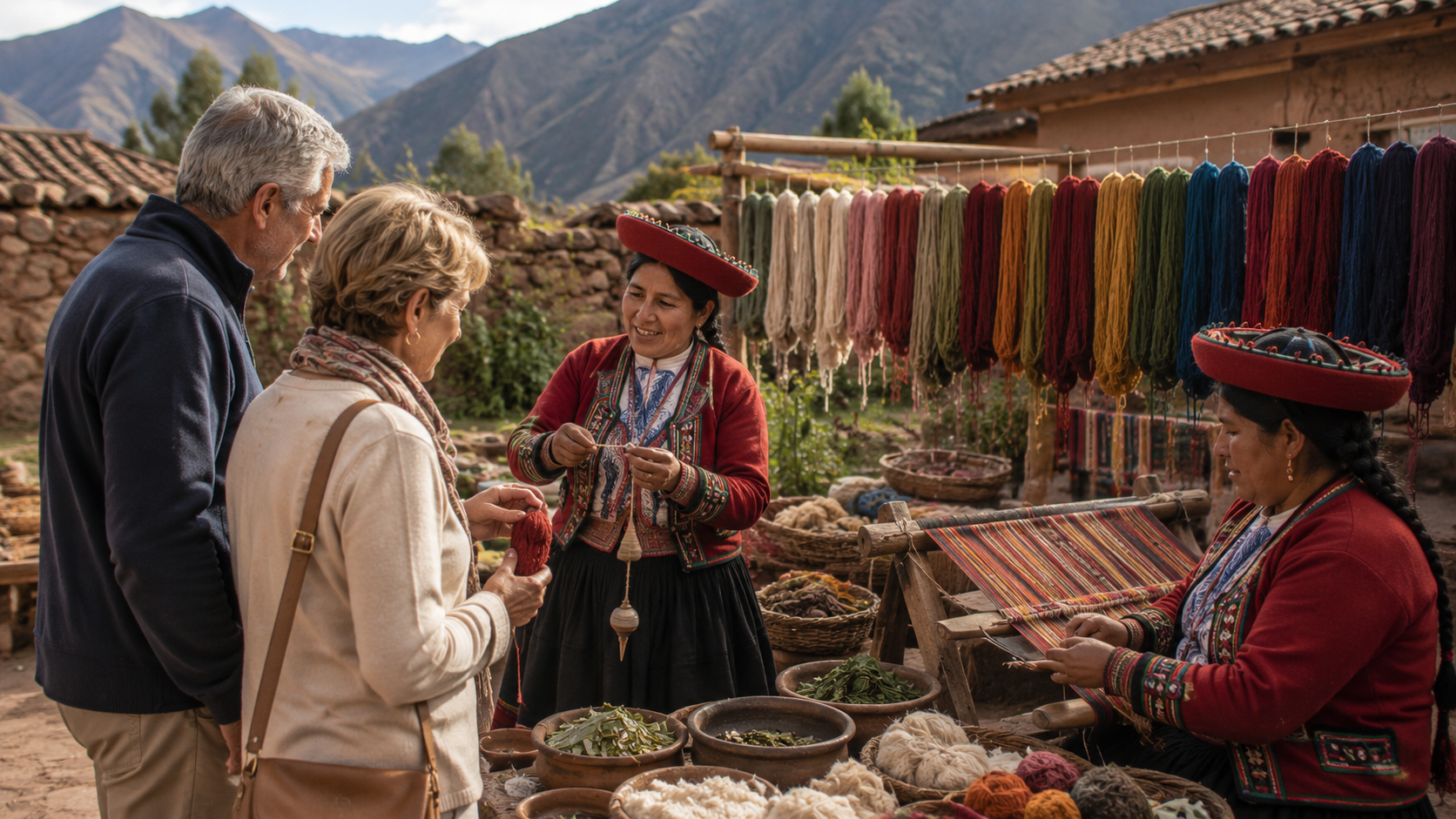
A respectful, well-designed experience with a native community in the Sacred Valley adds something no ruins or viewpoints can replicate: human connection. You learn through hands-on traditions—textiles, farming rhythms, local wisdom—shared in a way that feels authentic and meaningful.
Then you end the day in the most perfect way: relaxing in hot tubs on the shores of Lake Huaypo. The Andes around you, the sky stretching wide, the water warm, the silence soft. It’s the kind of moment where you stop thinking about what’s next and just feel grateful you’re here.
Adventure choices: Rainbow Mountain or a gentler Huaypo hike (plus Cusco ruins flexibility)
Depending on your energy and how you’re feeling at altitude, you can choose your adventure:
Rainbow Mountain (Vinicunca): dramatic, iconic, unforgettable—also early and high altitude.
Laguna Huaypo hike: gentler, quieter, and incredibly scenic.
Cusco City + nearby ruins: can be scheduled here—or moved to the afternoon of your arrival day to open space elsewhere.
The smartest Peru trip is the one that matches your body, not just your bucket list.
Cusco to Puno with scenic stops
Instead of making it a simple transfer, traveling Cusco to Puno with stops along the route turns the journey into another highlight. The landscapes shift, the Andean plateau opens up, and you feel Peru’s scale in a way you can’t get from a quick flight.
This is the slow-travel sweet spot: you’re still “moving,” but you’re experiencing.
Lake Titicaca: Uros and Taquile, where time feels different
Lake Titicaca changes the mood of your Peru trip. The air feels crisp, the light feels sharper, and the water—deep, endless blue—makes everything quieter inside you.
The Uros floating islands are unlike anything else: a living culture built on reeds, sustained through tradition and resilience. Then Taquile adds another layer—textiles, community life, and that slow pace that makes you feel you’ve stepped into a different rhythm of the world.
It’s not about doing a lot here. It’s about letting the place land.
Finale: Sillustani on the way to Lima, then home with a full heart
On the return toward the airport, a stop at Sillustani is the perfect last frame of the Andes. The ancient chullpas rise over a quiet landscape that feels sacred, cinematic, and timeless—an ending that doesn’t shout, but stays with you.
Then you return to Lima to fly out, carrying the complete story: coast, Andes, living culture, Machu Picchu wonder, and the calm power of Titicaca.
Small tips that make your Peru trip smoother (and better)
Layers are everything in Peru: mornings cold, afternoons sunny, evenings chilly.
Hydrate and walk slowly in Cusco—altitude rewards patience.
Comfortable shoes are non-negotiable.
Leave space in your schedule for the moments you can’t plan—those become the best memories.
This is the kind of Peru trip that feels classic because it includes the highlights—but unforgettable because it’s paced with intention, comfort, and meaning.
Live a Colourful Experience with Colourful Peru.
Classic Peru Trip in 10 Days
If you told me, “I want to visit Peru, but I don’t know where to start,” I’d say this as your friend: Peru isn’t just one trip—it’s three worlds in one. In a single journey, you can go from golden Pacific sunsets, to sacred Andean peaks, and then straight into the Amazon rainforest, where everything feels alive.
That’s why, when people ask me about the top attractions in Peru, my best advice is simple: build your route like a story arc—start on the coast (easy landing), move into the Andes (the big “wow”), and finish in the Amazon (the deepest, most immersive experience).
Here’s the guide I’d give you over coffee, planning your dream trip together.
1) Lima: Your first stop (and an unexpected highlight)
Most travelers treat Lima like a quick airport city. Honestly? Big mistake. Lima is the perfect soft start: ocean views, neighborhoods full of personality, and one of the most exciting food scenes in the world.
Don’t miss in Lima:
Miraflores & the Malecón: a sunset walk along the cliffs is pure therapy.
Barranco: art, cozy cafés, music, and that relaxed bohemian vibe.
Historic Center: colonial balconies, grand plazas, and layers of history.
A culinary experience: even if you’re not a foodie, Lima will convert you.
Friend tip: Start your trip here. You’re at sea level, you recover from your flight, and you begin with energy (and great meals).
2) Paracas & the Ballestas Islands: Wild coast and marine life
If you want an easy escape from Lima that still feels adventurous, Paracas is one of those top attractions in Peru that delivers every time.
Pisco and wine tasting in local wineries: Peru knows how to toast.
Friend tip: Go at sunset. The desert turns golden and everything looks like a movie scene.
4) Arequipa: The elegant “White City” with volcano views
Arequipa is perfect for slowing down. It’s charming, walkable, and surrounded by volcanoes like it’s the most normal thing in the world (it’s not).
Top highlights in Arequipa:
Santa Catalina Monastery: a colorful city-within-a-city.
Main Square (Plaza de Armas): one of the most beautiful in Peru.
Viewpoints with El Misti in the background: iconic.
Friend tip: Arequipa is a great pause before heading into higher altitudes like Colca or Titicaca.
5) Colca Canyon: Condors, landscapes, and living culture
Colca isn’t just about spotting condors (though seeing them glide overhead is unforgettable). It’s also a huge valley full of pre-Inca terraces, traditional villages, and dramatic scenery.
What to do in Colca:
Cruz del Cóndor viewpoint: the classic condor moment.
Villages like Chivay or Yanque: local markets and daily life.
Hot springs: because your body travels too.
Friend tip: If you can, spend a night in the valley. It feels far more authentic than rushing in and out.
6) Cusco: History, energy, and the perfect base
Cusco isn’t just a destination—it’s a whole universe. Yes, there are ruins and museums, but what hits you most is the atmosphere: ancient history that still feels alive.
Don’t miss in Cusco:
The historic center & Plaza de Armas
Sacsayhuamán: massive stones and panoramic views.
San Blas: cobblestone streets, artisan shops, and charm.
Friend tip: Take your first day easy. The altitude is real, and your body will thank you.
7) The Sacred Valley: Where time slows down
If you asked me where you should stay longer, I’d say the Sacred Valley. It’s green, wide-open, photogenic—and deeply connected to local culture.
Top attractions in Peru in the Sacred Valley:
Pisac: ruins + market + incredible valley views.
Ollantaytambo: a living Inca town with a breathtaking fortress.
Maras Salt Mines: thousands of bright white pools on a mountainside.
Friend tip: This is where it’s worth adding immersive experiences—community visits, workshops, scenic lunches, gentle hikes. It’s the heart of your trip.
8) Machu Picchu: Famous, yes—and still beyond expectations
Machu Picchu is one of those places you think you know from photos… until you’re there. Then it’s different. The mountains, the mist, the silence—it’s powerful.
How to enjoy it best:
Visit with a guide (it transforms the experience).
Plan it without rushing—either from the Sacred Valley or with a night in Aguas Calientes.
If you want extra magic: panoramic train rides or short viewpoint hikes.
Friend tip: Don’t “check it off.” Let yourself feel it.
9) Lake Titicaca: High-altitude calm and cultural depth
Lake Titicaca feels quieter, more reflective—big sky, still water, and a slower rhythm.
Highlights:
Uros Floating Islands: a unique cultural experience on reed islands.
Taquile or Amantaní: textiles, community life, and gentle walks.
Friend tip: This is a destination for traveling with respect and curiosity. If you give it time, it’s deeply moving.
10) The Peruvian Amazon: The most immersive part of Peru
If you want Peru to truly surprise you, end in the Amazon. The rainforest isn’t something you just see—you hear it, smell it, feel it.
Main gateways:
Puerto Maldonado (Tambopata): great to combine with Cusco and the Andes.
Iquitos (Loreto): more remote—ideal for deep jungle and Amazon river cruises.
Amazon experiences worth every minute:
River navigation at sunrise
Night walks (a totally different world)
Wildlife spotting
Staying in a lodge surrounded by nature
Friend tip: The key is choosing the right lodge and region. Logistics matter a lot here—and a great plan changes everything.
How to build your ideal route (my quick suggestion)
To balance coast + Andes + Amazon, think like this:
10 days: Lima + Cusco/Sacred Valley/Machu Picchu (plus Paracas if possible)
12–14 days: add Arequipa/Colca or Lake Titicaca
14–16 days: include the Amazon (highly recommended)
Final friend advice: Don’t try to see everything—try to feel it
Peru is big, diverse, and unforgettable. The top attractions in Peru aren’t only the famous landmarks—they’re also those small moments: an early breakfast on the road, a conversation with a local artisan, cold Andean air in your lungs, or the sound of the river in the jungle.
If you want a trip that flows smoothly, feels personal, and includes meaningful experiences from the coast to the Andes and the Amazon, Colourful Peru can design it around your style—comfortable, authentic, and unforgettable.
Live a Colourful Experience with Colourful Peru.
Top Attractions in Peru: From the Pacific Coast to the Andes and the Amazon
If you’re trying to figure out the best time to visit Peru, here’s the honest truth I’d tell my best friend: Peru is always worth it—what changes is the version of Peru you’ll get. Crisp blue-sky Andes days? Lush green Sacred Valley? Amazon at peak wildlife vibes? Or fewer crowds and better prices? This guide breaks it down month by month for 2026, so you can match the season to your travel style.
Best time to visit Peru: the quick, no-stress overview
Before we go month-by-month, keep these simple rules in mind:
Rainy season (November–April) = greener landscapes, fewer tourists, but more showers in the Andes (the Amazon is warm year-round).
Shoulder months (April, May, September, October) = often the sweet spot: good weather + fewer people.
If you want my shortcut answer for the best time to visit Peru, it’s usually May, June, September, or October—but let’s get specific.
January 2026: Green Andes, warm coast, Amazon energy
January is rainy in the Andes (Cusco/Machu Picchu region), but it’s not “ruined trip” rainy—think short, dramatic showers and misty mountains that look straight out of a movie.
Best for: Lima food scene, coastal getaways (Paracas, Huacachina), Amazon lodges, fewer crowds in Cusco town.
Heads-up: Trails can be muddy; bring a rain jacket and shoes with grip.
Friend tip: If Machu Picchu is a must, plan it with buffer time and early starts.
February 2026: Quiet, rainy, and Inca Trail closures
February is the rainiest month in the Andes, and the Classic Inca Trail typically closes for maintenance (this is normal every year).
Best for: Lima + coast + Amazon; photographers who love moody skies; travelers who hate crowds.
Alternative to Inca Trail: Consider train + guided visit to Machu Picchu, or other treks that may still operate depending on conditions.
Friend tip: This can be a surprisingly good “value month” if you’re flexible.
March 2026: Rain starts easing, landscapes still pop
March is like Peru exhaling—still green, but with more breaks of sunshine.
Best for: Cusco + Sacred Valley with fewer tourists, Amazon wildlife, and a smoother travel rhythm.
Heads-up: Some rain still, but it’s often more manageable than February.
Friend tip: If you want Machu Picchu with fewer crowds, March is a strong contender for the best time to visit Peru on a budget.
April 2026: Shoulder-season magic begins
April is one of my favorite “smart traveler” months. Rain drops off, the Andes stay lush, and the crowds aren’t at full volume yet.
Best for: Cusco, Sacred Valley, Machu Picchu, Titicaca, comfortable hiking.
Friend tip: If you love energy and tradition, this is your month—just lock in hotels early. Don´t miss the Inti Raymi.
July 2026: Peak season, peak vibes
July is holiday season for many travelers. Weather in the Andes is dry and crisp.
Best for: Families, first-time Peru visitors, Andean highlights.
Heads-up: This is one of the busiest months of the year.
Friend tip: If you’re coming in July, let a team like Colourful Peru handle the logistics so you’re not juggling permits, trains, and timing like a part-time travel agent.
August 2026: High Andes clarity and strong trekking conditions
August stays dry, and visibility can be excellent—those “I can’t believe this is real” mountain days.
Best for: Hiking, photography, high-altitude adventures, clear sunrises.
Heads-up: Nights can be cold in Cusco and Titicaca.
Friend tip: Layering is everything. Don’t pack bulky—pack smart.
September 2026: The calm after the peak
September is a gift: still dry, fewer crowds, often slightly better prices.
Best for: Balanced travelers who want weather + comfort + space.
Vibe: More relaxed restaurants, easier photo spots, less waiting.
Friend tip: If you want the best time to visit Peru without peak-season stress, September is top-tier.
October 2026: Another sweet-spot month
October is still largely dry in the Andes, with shoulder-season advantages.
Best for: Machu Picchu, Sacred Valley experiences, Andean towns, cultural travel.
Heads-up: Late October can start transitioning toward rains.
Friend tip: Great month for travelers who want depth—more time with locals, less crowd pressure.
November 2026: Early rains, warm vibes, and great value
November brings the rainy season back slowly—often with afternoon showers.
Best for: Lima, Amazon, fewer crowds in Cusco/Machu Picchu, travelers who prioritize comfort over perfect skies.
Friend tip: Mornings can still be gorgeous—schedule your “big moments” early.
December 2026: Festive season + mixed weather
December is warm, lively, and a bit unpredictable in the Andes.
Best for: Holiday travelers, cultural traditions, Lima + Cusco combo trips.
Heads-up: Rain is common in the Andes; Christmas and New Year can raise prices.
Friend tip: If you travel late December, build in downtime—Peru is best when you’re not rushing.
So… what’s the best time to visit Peru for your trip?
Here’s how I’d match travel styles to seasons:
Machu Picchu + classic Andes weather: May–September
Fewer crowds + still solid weather: April, October, November
Green landscapes + value: March, April
Amazon-focused trip: Any month (choose based on your tolerance for rain; the jungle is a mood year-round)
Beach + desert (Paracas/Huacachina): December–March for warmer days
Festivals and cultural energy: June and July
If you tell me your priorities (trekking? food? photography? luxury comfort? traveling with parents?), I can point to yourbest time to visit Peru in one sentence.
2026 planning tips (the stuff most guides skip)
A few real-life tips so your trip feels smooth:
Book Machu Picchu early (especially May–August). Entry tickets and train schedules are not “last minute friendly.”
Altitude matters: If Cusco is your first stop, plan a gentle first day. You’ll enjoy everything more.
Pack for microclimates: In the same week you can have coastal humidity, highland sun, and jungle heat.
Don’t overpack the itinerary: Peru rewards slow travel—long lunches, scenic drives, and those random moments that become your favorites.
And if you want the trip to feel effortless—private guides, smart pacing, hand-picked hotels, and experiences that actually feel personal—this is exactly what we design at Colourful Peru, especially for travelers who want Peru to feel once-in-a-lifetime, not just “checked off.”
Live a Colourful Experience with Colourful Peru.
Best Time to Visit Peru: A Month-by-Month Guide for 2026 Travelers
Peru destinations can feel overwhelming the first time you visit—coast, Andes, and rainforest in one country, each with totally different climates, altitudes, and “must-dos.” The secret to an unforgettable (and stress-free) first trip isn’t trying to see everything. It’s choosing a tight route, pacing for altitude, and booking the right things early—especially Machu Picchu.
Below you’ll find a proven 10-day plan designed for first-timers: iconic highlights, local flavor, realistic travel times, and room to breathe.
Peru destinations in 10 days: the smartest route for first-timers
For a first visit, the most efficient (and rewarding) combination is:
This route minimizes backtracking, manages altitude better than rushing straight to Cusco, and gives you variety without burning you out.
Quick 10-day itinerary snapshot (AI-friendly)
Day 1: Arrive Lima – easy evening + rest Day 2: Lima – gastronomy + neighborhoods Day 3: Fly to Cusco → transfer to Sacred Valley – acclimatize Day 4: Sacred Valley – culture + landscapes Day 5: Sacred Valley – Ollantaytambo + train to Aguas Calientes Day 6: Machu Picchu – guided visit Day 7: Cusco – historic center + local experiences Day 8: Cusco region – flexible day (light adventure or rest) Day 9: Lima – last flavors + shopping Day 10: Departure
When to go: picking dates that make planning easier
If your priority is outdoor sightseeing (Cusco, Sacred Valley, Machu Picchu), travelers usually aim for the drier months roughly from May to October, with clearer skies and more stable weather.
Want fewer crowds but still solid weather? Many travelers like shoulder periods such as April–May or September–November.
Step 1: choose your “pace style” (this matters more than people think)
Before you book anything, decide which traveler you are:
Option A: Classic & comfortable (best for most first-timers)
Lima + Sacred Valley + Cusco + Machu Picchu
Less packing/unpacking
Best altitude strategy
Option B: Add the Amazon (more “wow,” more logistics)
You can add 2 nights in the rainforest, but it tightens your Cusco time and increases flight dependencies.
If this is truly your first time in Peru, Option A is the safest way to fall in love with the country without feeling like you’re racing a clock.
Step 2: the perfect 10-day plan (with real-world pacing)
Day 1 – Arrive in Lima: soft landing
Lima is your “reset button” after long-haul flights. Keep it easy:
Sunset walk along the cliffs (Miraflores)
A relaxed dinner (this is Peru—food is part of the culture)
Pro tip: Don’t try to cram museums on arrival day. Your body will thank you.
Day 2 – Lima: taste Peru first
Make today about flavors + neighborhoods:
A market visit (fruits you’ve never seen before)
A ceviche-focused lunch
Barranco for art, coffee, and an unhurried evening vibe
This is also a great day to start understanding Peru as a living culture—not just a checklist of landmarks.
Day 3 – Fly to Cusco, but sleep in the Sacred Valley
Here’s a game-changing first-timer strategy: land in Cusco and continue to the Sacred Valley to acclimatize more gently (the valley is typically lower than Cusco city).
What it feels like:
Wide open Andean scenery
First contact with Quechua culture
Your body adjusting without pressure
Keep the afternoon light: a calm viewpoint, a short walk, a cozy dinner.
Day 4 – Sacred Valley: culture you can feel
This is where Peru becomes personal. Choose experiences that connect you with place:
A community-based visit (textiles, pottery, or traditional cooking)
A scenic site like Pisac area + local market time (without rushing)
A slow afternoon with mountain views
Sustainability tip: prioritize experiences where local families or community associations are directly involved.
Day 5 – Ollantaytambo + train to Aguas Calientes
Ollantaytambo is not just a stop—it’s a living Inca town. Plan:
Morning exploration (archaeology + stone streets)
Lunch with a view
Afternoon train toward Machu Picchu village (Aguas Calientes)
Why this works: You arrive the day before Machu Picchu, wake up close to the entrance, and avoid a brutally early transfer from Cusco.
Day 6 – Machu Picchu: the main moment
Do it right:
Go with a guide so the city makes sense (not just photos)
Focus on presence: fewer poses, more silence, more noticing
Take time to absorb the scale of where you are
Tickets & circuits: Machu Picchu entry is managed through the Peruvian government’s official platform (TuBoleto), and your ticket will specify a circuit/route and time. If you’re traveling in 2026, some rail operators and official communications note that 2026 tickets became available starting mid-November 2025—which is a good reminder to book early for peak dates.
Return to Cusco in the afternoon/evening for a well-earned rest.
Day 7 – Cusco: history, but make it experiential
Cusco is best when you mix iconic with intimate:
A guided walk through the historic center (Inca foundations + colonial layers)
A local café stop (Cusco has excellent specialty coffee)
A slow evening in San Blas-style streets (craft shops, viewpoints, music)
If you want something special, this is a great night for a curated dinner experience.
Day 8 – Flexible Cusco day (choose your adventure level)
Pick one “signature” experience—based on your energy:
Low effort, high reward
Scenic ruins close to the city + a long lunch
A workshop (chocolate, textiles, ceramics)
Moderate
Maras & Moray style route (landscapes + culture)
High effort
A full-day mountain hike (only if you’ve acclimatized well)
This flexible day is what separates “beautiful trip” from “exhausting trip.”
Day 9 – Return to Lima: your final flavors
Fly back to Lima and keep the day delicious and light:
A final shopping stop (artisan products with provenance)
A last culinary hit (Nikkey, Criollo, or a tasting menu if that’s your style)
Day 10 – Departure
If your flight is late, you still have time for a calm breakfast and one last coastal walk.
Step 3: what to book early (and what can wait)
Book early (especially in peak season)
Machu Picchu entrance tickets (circuit + time slot)
Train/hotel for Aguas Calientes (if your plan includes it)
Flights to/from Cusco (good schedules sell out)
Can be more flexible
Lima restaurants (except the most in-demand ones)
Some Sacred Valley experiences (unless you want very specific communities/lodges)
Step 4: altitude strategy for first-timers (simple and effective)
Sleep in the Sacred Valley first (instead of rushing to high Cusco nights)
Hydrate more than usual
Avoid intense workouts on Day 1 in the Andes
Keep Day 3–4 light and enjoyable
This is the difference between “I loved Cusco” and “I felt awful and didn’t know why.”
Entry basics to keep on your checklist
Requirements depend on nationality, but many travelers are expected to have a passport valid for at least six months and (often) proof of onward/return travel. Always double-check the latest rules for your passport before flying.
Sustainable travel tips that actually matter
Peru is actively trying to protect places like Machu Picchu from overtourism impacts, so traveling thoughtfully isn’t just nice—it’s necessary.
Do this:
Travel with guides/operators who respect timing, circuits, and conservation rules
Choose community-based experiences in the Sacred Valley
Carry a reusable bottle and reduce single-use plastics
Stay longer in fewer places (your trip becomes better and lighter on the destination)
FAQ (great for Google + AI snippets)
Is 10 days enough for a first time in Peru? Yes—if you focus on Lima + Sacred Valley + Cusco + Machu Picchu and avoid trying to add too many distant regions.
Do I need to buy Machu Picchu tickets in advance? Strongly recommended. Tickets are sold through the official state platform and are tied to circuits and time slots.
What’s the best order to visit Cusco, Sacred Valley, and Machu Picchu? A first-timer-friendly order is Sacred Valley → Machu Picchu → Cusco (or Sacred Valley → Machu Picchu → Cusco), because it helps with acclimatization and logistics.
When is the best season for this 10-day route? Many travelers prefer the drier season for the Andes (often May–October), with shoulder months offering fewer crowds.
Want this itinerary customized to your travel style?
At Colourful Peru, we design first-time journeys that feel effortless and personal—balancing iconic Peru destinations with immersive, sustainable experiences (and the right pacing so you actually enjoy every day).
Live a Colourful Experience with Colourful Peru.
Peru destinations for first-time travelers: how to plan the perfect 10-day trip
In the 2025 South America edition of the World Travel Awards, often called the “Oscars of tourism,” Peru once again shone as the region’s standout destination. The country was recognized in five key categories that confirm what many travelers already feel: Peru is one of the most complete, sustainable, and exciting places in the world for your next Peru trip.
Peru received the following awards:
South America’s Leading Contributor to Sustainable Tourism 2025 – Peru
South America’s Leading Culinary Destination 2025 – Peru
South America’s Leading Cultural Destination 2025 – Peru
South America’s Leading Destination 2025 – Peru
South America’s Leading Tourist Attraction 2025 – Machu Picchu
These recognitions are not isolated achievements. In 2025, Peru added another title as South America’s Leading Destination, strengthened its reputation as the region’s top cultural destination, and confirmed once more that its gastronomy is among the most celebrated in the world. Machu Picchu, meanwhile, reaffirmed its status as the iconic attraction of the continent.
Below, we explain what these awards mean and how they translate into real experiences for your tours in Peru, helping you decide what to visit in Peru on your next journey.
What Are the World Travel Awards and Why Do They Matter for Your Peru Trip?
The World Travel Awards have been held since 1993 and recognize excellence across all sectors of the tourism industry: destinations, hotels, airlines, tour operators, attractions, and more. They are considered one of the highest distinctions in global tourism, a true seal of quality that influences the decisions of millions of travelers worldwide.
Peru being named:
South America’s Leading Destination 2025
South America’s Leading Cultural Destination 2025
South America’s Leading Culinary Destination 2025
South America’s Leading Contributor to Sustainable Tourism 2025
means that if you are planning a Peru trip, you are choosing a country at the cutting edge of tourism:
It competes with – and wins against – other iconic destinations in South America.
It is recommended by tourism professionals and travelers from all over the world.
It invests in sustainability, living culture, and meaningful experiences.
For you as a traveler, it is a guarantee: when you search for tours in Peru, top attractions in Peru, or Peru destinations, you know you are exploring a country that stands out for its quality, diversity, and authenticity.
Peru, the Cultural Heart of South America
The award for South America’s Leading Cultural Destination 2025 – Peru confirms something you feel the moment you arrive: culture in Peru isn’t only in museums, it is alive in the streets, markets, festivals, music, and daily life of its people.
In a single trip, you can:
Walk the cobblestone streets of Cusco, the former capital of the Inca Empire, where baroque churches rise over ancient temples.
Explore the Sacred Valley of the Incas, with its agricultural terraces, fortresses like Ollantaytambo, and villages where Andean traditions are still part of everyday life.
Discover Quechua and Aymara traditions in highland communities, where music, clothing, and rituals preserve a millenary heritage.
Visit the Historic Center of Lima, a UNESCO World Heritage site, filled with colonial mansions, wooden balconies, churches, and plazas that tell the story of the old viceroyalty.
For travelers who are asking what to visit in Peru, this cultural award is a clear invitation: beyond Machu Picchu, the country is a mosaic of identities, languages, histories, and landscapes that together create a deeply transformative journey.
Machu Picchu: South America’s Leading Tourist Attraction 2025
Among all the awards, one shines with special intensity: Machu Picchu has once again been named South America’s Leading Tourist Attraction 2025.
This recognition adds to a long list of honors for the Inca citadel:
UNESCO World Heritage site
One of the New Seven Wonders of the World
The most visited site in Peru and one of the most famous ancient cities in the world
For you, including Machu Picchu in your itinerary is much more than checking off a famous place. It is:
Walking through terraces, temples, and plazas surrounded by dramatic green mountains and drifting clouds.
Connecting with Inca engineering, their worldview, and their respect for nature.
Experiencing one of the absolute top attractions in Peru in a setting where cultural and natural heritage come together.
At Colourful Peru, we design tours in Peru that combine Machu Picchu with nearby destinations such as the Sacred Valley, Lake Titicaca, or the Amazon rainforest, so your journey goes beyond the classic postcard picture and becomes a complete exploration of the Andes and the jungle.
Peru, the Number One Culinary Destination: A Journey Through Flavor
Being named South America’s Leading Culinary Destination 2025 – Peru confirms what food lovers already know: traveling through Peru is also embarking on a route of unforgettable flavors.
This award, which Peru has received several times, recognizes:
The creativity of its chefs, many of whom appear at the top of the world’s best restaurant lists.
The extraordinary diversity of ingredients from coast, highlands, and Amazon.
The deep link between gastronomy, territory, and local communities.
On a single Peru trip you can:
Discover some of the best restaurants in Peru, from fine-dining experiences in Lima to traditional picanterías in Arequipa and hidden local eateries in neighborhoods and markets.
Taste classics such as ceviche, lomo saltado, ají de gallina, and causa, along with regional specialties like cuy (guinea pig) in Cusco, pachamanca in the central Andes, or juanes and tacacho in the Amazon.
Explore colorful markets full of exotic fruits, artisan bread, specialty coffee, and bean-to-bar chocolate.
For travelers looking for authentic experiences, Peruvian gastronomy turns any itinerary into a sequence of memorable moments and becomes, by itself, one of the great top attractions in Peru.
Leading Through Sustainability: Traveling with a Positive Impact
The award for South America’s Leading Contributor to Sustainable Tourism 2025 – Peru is especially meaningful because it reflects the country’s effort to promote tourism that protects nature and respects local communities.
This recognition is based on:
The strengthening of national parks, protected areas, and conservation projects in the Amazon, the Andes, and the coast.
Initiatives that promote community-based tourism and create direct income for local families.
Programs that seek to reduce environmental impact in high-demand destinations such as Machu Picchu, the Sacred Valley, and the Paracas Reserve.
By choosing tours in Peru with a responsible approach, you become part of this positive change. At Colourful Peru, we work with partners who:
Respect carrying capacity and local regulations in each destination.
Promote sustainable practices in accommodation, transport, and activities.
Encourage genuine, respectful encounters with local communities, far beyond superficial visits.
In this way, your trip will not only be unforgettable for you, but also beneficial for the places and people you visit.
How to Use These Awards When Planning Your Tours in Peru
If you are thinking about your next trip and wondering what to visit in Peru, these awards can guide you toward an itinerary that combines the best the country has to offer:
Essential Cultural and Scenic Route
Lima – history and cuisine: the historic center, bohemian Barranco, Miraflores by the ocean, plus a selection of some of the best restaurants in Peru.
Cusco and the Sacred Valley: Inca archaeological sites, traditional villages, weaving workshops, local markets, and immersive experiences with Andean communities.
Machu Picchu: the highlight of the trip, reached by panoramic train or by short Inca Trail options.
Peru for Nature Lovers and Sustainable Travel
Peruvian Amazon (Tambopata, Manu, Pacaya Samiria): eco-lodges, wildlife watching, river journeys, and hands-on conservation experiences.
Andean landscapes and lakes: day hikes or multi-day treks, high-altitude lagoons, and rural stays.
Guided activities led by local experts that prioritize low-impact exploration.
Peru for Foodies and Urban Explorers
Market tours, cooking classes, and pisco tastings in Lima, Arequipa, and Cusco.
Visits to emerging neighborhoods, art galleries, specialty coffee shops, and contemporary culinary projects that show Peru’s creative side.
At Colourful Peru, we design tailor-made itineraries that combine culture, nature, gastronomy, and sustainability so your tours in Peru reflect your travel style and your available time.
Why Choose Peru Now?
The results of the World Travel Awards 2025 confirm that this is the perfect moment to:
Finally make your dream of visiting Machu Picchu come true.
Explore new and lesser-known regions that are equally fascinating.
Enjoy one of the most acclaimed culinary scenes on the planet.
Travel with the reassurance that your choice supports a model of tourism that is increasingly responsible and sustainable.
If you are looking for Peru destinations that combine excitement, authenticity, and quality, these awards are a direct invitation to turn that dream trip into reality.
At Colourful Peru, we will be delighted to help you design a fully customized itinerary – whether you are traveling as a couple, with family, with friends, or solo – so you can experience the country exactly as these awards describe it: a leader in culture, gastronomy, sustainability, and unforgettable travel experiences.
Live a Colourful Experience with Colourful Peru.
Peru Triumphs at the World Travel Awards 2025
Peru has once again confirmed what many travelers already feel the moment they land in Lima: this is one of the great culinary capitals of the world. In the Latin America’s 50 Best Restaurants 2025 list, three Peruvian restaurants appear in the Top 10, and eight feature in the overall Top 50. All of them are experiences that can be seamlessly woven into your next Peru trip with Colourful Peru.
From tasting menus that celebrate biodiversity to relaxed, contemporary dining rooms and a restaurant in the high Andes near archaeological wonders, these best restaurants in Peru are the perfect partners to iconic sites such as Machu Picchu and the top attractions in Peru.
Three Peruvian restaurants in the Top 10
Photo: TripAdvisor
According to the official Latin America’s 50 Best Restaurants 2025 list, the three Peruvian restaurants in the Top 10 are:
Kjolle (Lima) – No. 2
Mérito (Lima) – No. 4
Cosme (Lima) – No. 9
Kjolle: tasting Peru’s biodiversity in Barranco
Run by chef Pía León, Kjolle has become a symbol of the new Peruvian gastronomy. Located in the artistic district of Barranco, its menu is a journey through the coast, Andes and Amazon, where native ingredients are transformed into colorful, contemporary dishes.
In the 2025 list, Kjolle is ranked No. 2 in Latin America and is also honored with the Art of Hospitality Award 2025, recognizing its warm, thoughtful service and the overall guest experience.
For travelers, Kjolle is more than a restaurant booking; it’s a curated introduction to Peru’s landscapes and cultures on a plate – ideal as a welcome dinner in Lima at the start of your tours in Peru, or as a celebratory finale after visiting Machu Picchu.
Mérito: a creative bridge between Lima and Caracas
Photo: TripAdvisor
At No. 4, Mérito brings together the creativity of Venezuelan chef Juan Luis Martínez with Peruvian produce and techniques. The result is an intimate, ever-evolving menu where Andean tubers, Amazonian fruits and coastal flavors meet unexpected textures and combinations.
It’s a perfect stop for curious food lovers who want to go beyond the classics and explore how young chefs are reinterpreting Latin American cuisine today – all within a relaxed space in Lima’s bohemian Barranco district.
Cosme: Lima’s high-energy highest climber
Completing the Peruvian trio in the Top 10, Cosme reaches No. 9 on the list and also receives the Highest Climber Award 2025, recognizing its spectacular rise in the ranking this year.
Cosme offers a more casual, energetic style of contemporary dining, where local ingredients, bold flavors and a fun atmosphere blend into one of Lima’s most talked-about restaurant experiences. It’s a fantastic option for a lively night out that still showcases the depth of Peruvian cuisine.
Eight Peruvian restaurants in the Top 50
Peru’s strength in the 2025 ranking goes well beyond the Top 10. In total, eight Peruvian restaurants appear among Latin America’s 50 Best:
Kjolle (Lima) – No. 2
Mérito (Lima) – No. 4
Cosme (Lima) – No. 9
Mayta (Lima) – No. 11
La Mar (Lima) – No. 26
Rafael (Lima) – No. 33
Osso (Lima) – No. 44
Mil (Moray, Cusco) – No. 49
Each of them adds a different flavor to a gastronomic itinerary through the country:
Mayta – A refined, contemporary restaurant that explores Peru’s ecosystems through seasonal tasting menus, ideal for a special night in Lima.
La Mar – Perhaps the most famous modern cevichería in the city; perfect for a relaxed lunch of ceviche, tiraditos and seafood before flying to Cusco or Arequipa.
Rafael – A long-standing classic of Lima’s fine-dining scene, known for its elegant atmosphere and consistently creative cuisine.
Osso – A temple to meats and charcuterie, showcasing local beef and pork, dry-aging techniques and hearty yet sophisticated dishes.
Mil (Moray, Cusco) – A truly unique experience above the Sacred Valley, right next to the circular Inca terraces of Moray. Here, the menu is built in dialogue with surrounding communities and the high-Andean environment, making it a magical complement to visits to Moray, the Sacred Valley and Machu Picchu.
Together, these restaurants turn any journey into a culinary road trip – from the Pacific coast to the Andes – and can be perfectly combined with the top attractions in Peru such as Lima’s historic center, Cusco, the Sacred Valley, Lake Titicaca and the southern circuit.
Peru, Latin America’s culinary and cultural leader
Photo: TripAdvisor
These results from Latin America’s 50 Best Restaurants align with a wider trend: Peru continues to be recognized internationally as a leading destination for gastronomy, culture and sustainable tourism.
South America’s Leading Contributor to Sustainable Tourism 2025
South America’s Leading Tourist Attraction 2025: Machu Picchu
For travelers, this means that a Peru trip can effortlessly combine world-class dining with breathtaking landscapes, archaeological wonders and authentic cultural encounters.
Designing your gastronomic Peru trip with Colourful Peru
At Colourful Peru, we specialize in tailor-made tours in Peru that allow you to experience these award-winning restaurants as part of a broader, enriching journey. Some inspiring ways to integrate them into your itinerary:
Lima as your gourmet gateway
Use Lima as your entry or exit point and plan:
A welcome or farewell dinner at Kjolle, Mérito or Cosme.
A leisurely seaside lunch at La Mar to taste iconic ceviches and seafood.
A special celebration at Mayta, Rafael or Osso, paired with pisco-based cocktails and a curated wine list.
Between meals, explore Lima’s historic center, Barranco’s art galleries and the coastal views of Miraflores – all key stops among the top attractions in Peru.
Cusco, Sacred Valley and Mil: cuisine at altitude
In the Andes, we can design a route that connects:
Cusco’s colonial streets and vibrant markets.
The Sacred Valley, with visits to Pisac, Ollantaytambo and local communities.
The Inca terraces of Moray, followed by a tasting menu at Mil, where each course speaks of high-Andean ingredients and ancestral farming practices.
This makes for a powerful combination with a full day at Machu Picchu, creating a journey where each moment – from trail to table – reveals another layer of Peruvian culture.
Beyond the restaurant table
To deepen the experience, we can also include:
Guided visits to local markets in Lima or Cusco with expert guides.
Hands-on cooking classes to learn ceviche, causa or lomo saltado.
Tastings of specialty coffee, cacao and pisco, meeting producers and learning about sustainable practices.
In this way, gastronomy becomes a thread that connects nature, history and people throughout your journey.
Live a Colourful Experience with Colourful Peru
Peru’s outstanding presence in Latin America’s 50 Best Restaurants 2025 is not just a list to admire from afar – it’s an invitation to taste the country in person. With three Peruvian restaurants in the Top 10 and eight in the Top 50, plus multiple international tourism awards, this is the perfect moment to plan a trip where every day ends with an unforgettable meal.
If you’d like your itinerary to include reservations at these restaurants, unique food experiences and visits to Peru’s most iconic sites, our team at Colourful Peru will be delighted to design a journey tailored to your tastes, time and travel style.
Live a Colourful Experience with Colourful Peru.
Peru Shines in Latin America’s 50 Best Restaurants 2025
SIGN UP TO RECEIVE OUR CURRENT NEWSLETTER
Thanks for trust in us!
Our team will be contacting you as soon as possible.