Cusco, also known as the “navel of the world,” is a city located in the Andean region of Peru and is considered one of the most important tourist destinations in the country. The city is famous for its rich history and cultural heritage, as well as its proximity to Machu Picchu, one of the most iconic and visited tourist destinations in the world. But Cusco is not only a destination for those interested in history and culture; it is also an excellent destination for adventure sports enthusiasts.
Cusco offers a wide range of outdoor activities for adrenaline junkies and adventure seekers. From hiking and mountain biking to rock climbing and white-water rafting, the city and its surroundings have something for everyone. Here are some of the best adventure sports to try in Cusco:

Cusco is also a popular destination for hiking enthusiasts, with a variety of trails to choose from. Here are some of the most popular hiking trails in the Cusco region:
There are many tour operators in Cusco that offer guided hikes and treks to these and other destinations in the region. It is recommended to book with a reputable company and to ensure that you are physically prepared for the difficulty level of the hike. Additionally, visitors should be mindful of the high altitude in the region and take steps to acclimatize properly.
You can also read: Vinicunca or Rainbow Mountain
There are a variety of trails available for all levels of riders, ranging from beginner-friendly to challenging technical descents. Many of the trails offer breathtaking views of the surrounding mountains and valleys.
Some popular mountain biking trails in Cusco include:
There are several mountain biking tour companies in Cusco that offer guided tours of these trails, as well as equipment rentals. It is recommended to book a tour with a reputable company to ensure your safety and enjoyment while biking in the mountains.

Cusco is home to some of the best rock climbing in South America. The city and its surroundings offer excellent opportunities for both sport and traditional climbing, with routes for all skill levels. Some of the most popular climbing areas include the Sacred Valley and the South Valley.
You may also like: Top 10 places to visit in and around Lake Titicaca
Cusco is an excellent destination for white-water rafting enthusiasts. Its surroundings offer a wide range of rivers for all skill levels, from easy and gentle rivers for beginners to challenging and technical rivers for experienced rafters. Some of the most popular white-water rafting routes include the Urubamba River, the Apurimac River, and the Vilcanota River.
Cusco is not only a destination for history and culture lovers but also an excellent destination for adventure sports enthusiasts. The city and its surroundings offer a wide range of outdoor activities for adrenaline junkies and adventure seekers. Whether you want to hike to Machu Picchu, mountain bike in the Andean mountains, rock climb on ancient Inca ruins, or white-water raft on wild rivers, Cusco has something for everyone. So, if you’re planning a Peru vacation and want to experience the country in a different way, consider adding adventure sports to your itinerary.
Colourful Peru invites you to experience our country. We are committed to offer you the best options so you can live a Colourful journey. If you want to know more about our suggested journeys, do not hesitate to get in touch with us.

Peru is a country known for its rich history and diverse cultural heritage, and it is no surprise that it is one of the most popular travel destinations in South America. From the ancient ruins of Machu Picchu to the bustling streets of Lima, there is something for everyone in Peru. However, one of the most unique and beautiful places to visit on your Peru tour is Lake Titicaca.
Located on the border between Peru and Bolivia, Lake Titicaca is the highest navigable lake in the world and is considered one of the most sacred places in the Andean culture. The lake is home to numerous islands, each with its own distinct culture and history. Here are the top 10 places to visit in and around Lake Titicaca:

The Uros people have lived on the floating islands of Lake Titicaca for centuries. The islands are made entirely of reeds and are a unique and fascinating sight to behold. Visitors can take a boat tour to the islands and learn about the Uros way of life, as well as try their hand at traditional activities such as fishing and weaving.
You can also read: How to get to Lake Titicaca
This small island is home to a community of Quechua people who are known for their traditional textiles and pottery. Visitors can take a guided tour of the island to learn about the history and culture of the Taquile people, as well as hike to the top of the island for beautiful views of the lake.
This city is the gateway to Lake Titicaca and is known for its traditional festivals and lively markets. Visitors can take a boat tour of the lake, as well as visit the Puno Cathedral and the Sillustani funeral towers.

Another place worth visiting on your trip to Lake Titicaca is Lampa, a small town located about 30 kilometers from Puno. Known for its colonial architecture and beautiful churches, Lampa offers a glimpse into the religious and cultural heritage of the region. One of the main attractions in Lampa is the Church of Lampa, which dates back to the 17th century and is known for its intricate Baroque-style architecture and gold leaf altars. Visitors can also take a tour of the nearby ruins of the Inca fortress of Kuntur Wasi, which offers stunning views of the surrounding countryside.
This island is known for its traditional communities and beautiful natural scenery. Visitors can take a guided tour of the island, as well as hike to the top of the island for panoramic views of the lake.
This small town is known for its pre-Inca ruins and traditional festivals. Visitors can take a guided tour of the town, as well as visit the Chucuito Puno Museum to learn about the history and culture of the area.
You may also like: 10 must-do activities in the Sacred Valley of the Incas
This small village is located on the shores of Lake Titicaca and is known for its traditional communities and beautiful natural scenery. Visitors can take a guided tour of the village, as well as hike to the top of the nearby hill for panoramic views of the lake.

This pre-Inca burial ground is located near Puno and is known for its towering funeral towers. Visitors can take a guided tour of the site to learn about the history and culture of the ancient people who built these impressive structures.
This island is believed to be the birthplace of the Inca civilization and is home to numerous ancient ruins, including the Temple of the Sun and the Sacred Rock. Visitors can take a guided tour of the island to learn about the history and mythology of the Inca people, as well as hike to the top of the island for panoramic views of the lake.
This small town on the shores of Lake Titicaca is a popular destination for both tourists and pilgrimage. Visitors can take a boat tour to the nearby Isla del Sol, as well as visit the Copacabana Basilica, which is home to the famous Virgin of Copacabana.
In conclusion, Lake Titicaca is a destination that should not be missed on your Peru vacation. From the floating islands of Uros to the ancient ruins of Isla del Sol, there is a wealth of cultural and natural beauty to discover on the shores of this sacred lake. Whether you’re interested in history, culture, or simply taking in the stunning views, Lake Titicaca is a destination that has something for everyone to enjoy.
Colourful Peru invites you to experience our country. We are committed to offer you the best options so you can live a Colourful journey. If you want to know more about our suggested journeys, do not hesitate to get in touch with us.
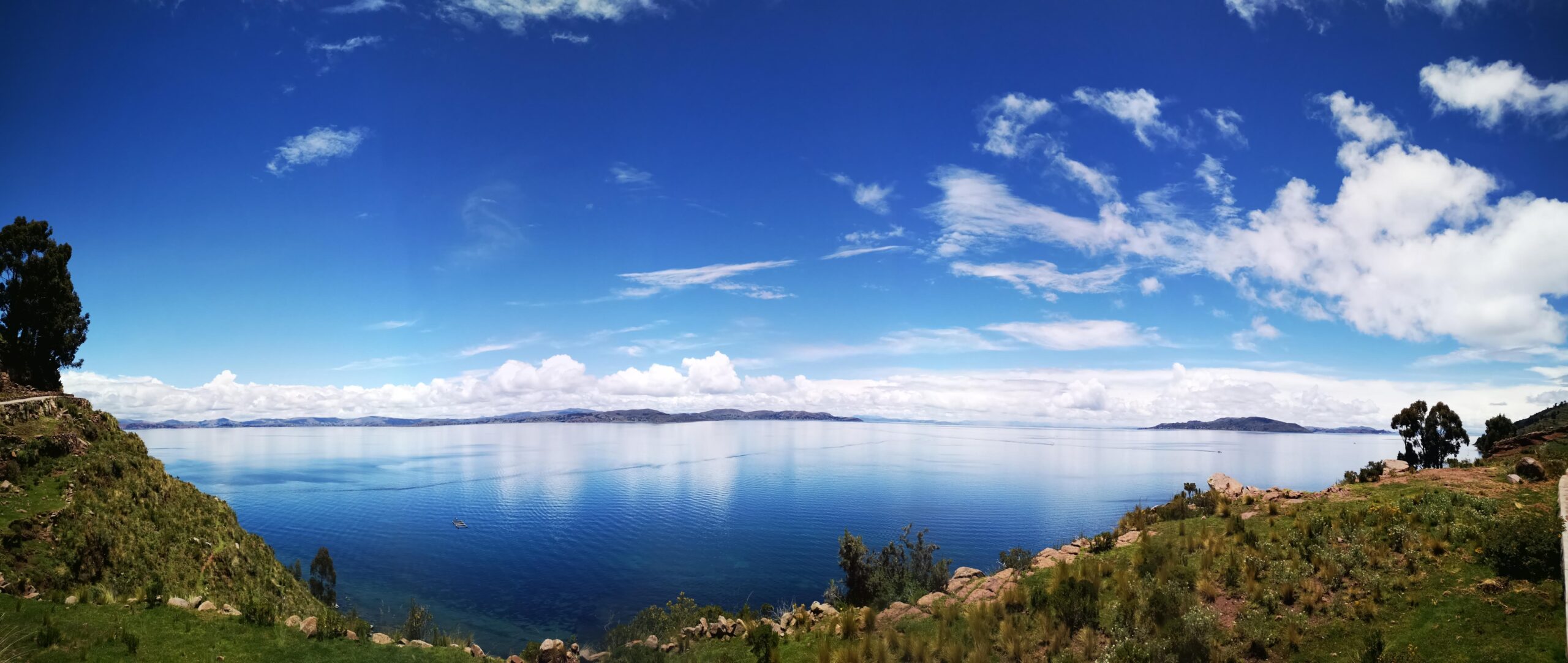
When planning your Peru vacation, a visit to Lake Titicaca should definitely be on your itinerary. Not only is it the highest navigable lake in the world, but it also holds a rich history dating back to ancient times. As you take in the stunning views on a Peru tour, you’ll be surrounded by stories and legends that have been passed down through generations. Know about the history of Lake Titicaca.
Lake Titicaca is located on the border of Peru and Bolivia and is considered a sacred site by many indigenous communities in the area. The Incas believed that the lake was the birthplace of the sun, and many other ancient cultures also held it in high reverence. The lake has been a source of food, water, and transportation for centuries, and it continues to play an important role in the lives of the people who live around it.
You can also read: How to get to Lake Titicaca

One of the most fascinating aspects of Lake Titicaca’s history is the mysterious ruins that can be found on the islands in the lake. The most well-known of these is the island of Taquile, which is home to ancient terraces and stone structures that have been expertly crafted to fit the natural contours of the island. The island is also home to a pre-Incan civilization that has managed to maintain its traditional way of life. Visitors can learn about the island’s history and culture by taking a guided tour and observing the daily life of the islanders.
Another intriguing aspect of Lake Titicaca’s history is the Uros floating islands. The Uros people have been living on these floating islands for centuries, and they continue to do so today. The islands are made of totora reeds, which are abundant in the lake. The Uros people have constructed their homes, boats and even their own island from these reeds. Visitors can take a boat tour to visit the islands and learn about the Uros’ way of life and their relationship with the lake.
You may also like: 6 things to do in and around Arequipa
But perhaps the most famous ancient site associated with Lake Titicaca is the mysterious underwater city known as the “Sunken City”. The city is believed to date back to the pre-Incan civilization and to have been submerged by a massive earthquake or flood. Divers have found evidence of structures such as walls, roads and terraces. Even though it is still not clear who built it and for what purpose, the sunken city remains an enigma.

According to legend, the Inca emperor Manco Capac and his sister-wife Mama Ocllo emerged from the depths of the lake to establish the Inca Empire. It is also believed that Machu Picchu was a sacred pilgrimage site for the Incas and that they traveled to the site by way of the lake.
As you can see, Lake Titicaca is much more than just a beautiful body of water. It is a living history book, filled with stories and legends that have been passed down through the centuries. A visit to the lake on your Peru vacation will give you a deeper understanding and appreciation of the rich culture and history of the region.
In conclusion, a trip to Peru is not complete without visiting Lake Titicaca. Its ancient history and mysterious ruins make it a fascinating destination to explore. From the mysterious sunken city to the Uros floating island, from Taquile island to the connection with the Maco Capac legend, the lake is full of surprises. Make sure to include it in your Peru tour and discover the secrets of this sacred lake for yourself.
Colourful Peru invites you to experience our country. We are committed to offer you the best options so you can live a Colourful journey. If you want to know more about our suggested journeys, do not hesitate to get in touch with us.

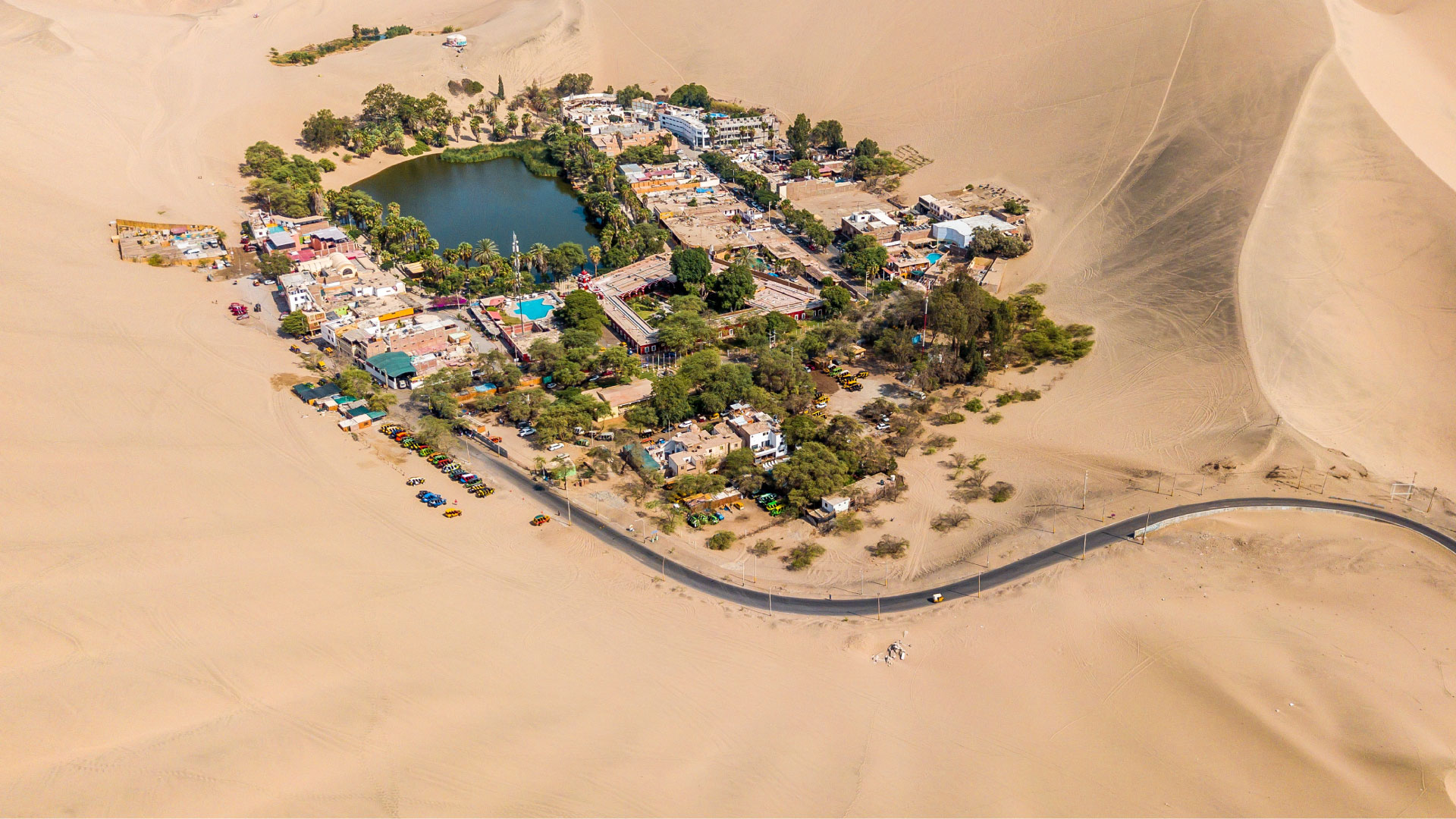
Peru is a country that is rich in culture, history, and natural beauty. From the ancient ruins of Machu Picchu to the colourful markets of Cusco, there is something for everyone in this South American paradise. However, one destination that often gets overlooked by tourists planning their Peru vacations is the oasis of Huacachina. Located in the Ica region of Peru, Huacachina is a small desert town surrounded by towering sand dunes that offer endless opportunities for adventure and excitement. So, if you would like to know 5 things to do in Huacachina Oasis, keep reading this article.
One of the most popular activities in Huacachina is sandboarding. This exhilarating sport involves sliding down the steep sand dunes on a board, much like snowboarding or skateboarding. Huacachina is the perfect place to try sandboarding for the first time, as the dunes here are some of the tallest and most challenging in the world. Whether you’re an experienced sandboarder or a complete beginner, you’ll find plenty of opportunities to test your skills and push your limits.
You can also read: How to get to Huacachina

Another must-try activity in Huacachina is dune buggying. These powerful off-road vehicles are the perfect way to explore the desert landscape and get a taste of the thrill of off-roading. Dune buggies can reach speeds of up to 60 mph as they race up and down the dunes, providing an unforgettable experience for visitors.

© PROMPERÚ
Gihan Tubbeh
If you’re looking for something a bit more relaxing, you can also take a sunset desert tour on a dune buggy or a sandboard. You can also take a ride around the desert, which is a unique way to explore the area and enjoy the scenery. You can also visit the Huacachina Lagoon, which is a beautiful oasis in the middle of the desert.
Another great way to experience the culture and history of Huacachina is by visiting the Ica Regional Museum. This museum is dedicated to showcasing the history and culture of the Ica region, and it is a must-see for anyone interested in the area’s past. The museum has a variety of exhibits that cover everything from pre-Columbian artifacts to colonial-era paintings and sculptures.
You may also like: Learn about the history of Nazca Lines
For those who want to combine their Peru tour with some adventure activities, Huacachina is a great place to start. The town is located just a short drive from the famous Nazca Lines, which are ancient geoglyphs that can only be fully appreciated from the air. Visitors can take a flight over the Nazca Lines to see these incredible images up close and personal.
In conclusion, Huacachina is a hidden gem in Peru that offers an incredible mix of adventure, culture, and history. Whether you’re looking for thrills on the dunes or want to explore the area’s rich past, there is something for everyone in this desert oasis. So, if you’re planning your next Peru vacation, be sure to include this 5 things to do in Huacachina in your itinerary. With sandboarding, dune buggying, sunset tours and much more, it’s an adventure you don’t want to miss.
Colourful Peru invites you to experience our country. We are committed to offer you the best options so you can live a Colourful journey. If you want to know more about our suggested journeys, do not hesitate to get in touch with us.
When planning your Peru vacation, it’s essential to include Barranco in your itinerary. This charming district in Lima is known for its bohemian atmosphere, colonial-style architecture, and delicious cuisine. Whether you’re planning a Peru tour or a solo trip, Barranco is a must-visit destination for foodies. Here are the 5 best restaurants in Barranco.
La 73 is a popular restaurant in Barranco that offers traditional Peruvian cuisine with a modern twist. The menu includes a wide variety of dishes, including ceviche, tiraditos, causas and traditional Peruvian plates, as well as a variety of cocktails and a carefully selected wine list.
The restaurant has a casual and relaxed atmosphere, making it the perfect spot for a casual lunch or dinner. The service is friendly and attentive, ensuring that you have a pleasant dining experience. The restaurant is known for its great location and its lively atmosphere, making it a great spot to enjoy a meal while taking in the sights and sounds of Barranco.
You can also read: 9 best restaurants in Lima

Isolina is a highly-regarded restaurant in Barranco, Lima, known for its contemporary Peruvian cuisine.
Homemade stews, generous chilcanos, wood, Chabuca Granda, an old funicular, beers, friends and conversations, drip coffee, local ham, wine by the glass, day and night, tortillas and cheeses, vermouths, Captain cocktail, bathroom descent, cau cau/patitas/riñoncitos (traditional Peruvian dishes), sharing, music, culture, Lima, Peru.
Isolina is a tribute to the spirit and flavors of our beloved taverns of yesteryear, to that Peruvian home cooking and the forgotten recipes in old notebooks. A relaxed atmosphere makes it a space to eat, drink, and have a good time, where spontaneous laughter and the freedom to eat as one pleases are celebrated.
It is in a house built-in 1906 that reflects the spirit of a kitchen full of memories, and that seeks to do things as they were done before. In a corner with tradition, near the “Puente de los Suspiros”, in Barranco.
La Cuadra de Salvador Steakhouse is a restaurant located in the historic Casona Montero Bernales in the district of Barranco. What sets us apart from other restaurants is its exclusive use of American meats with the highest quality denomination, USA PRIME.
But it’s not just its food that makes them unique – it also offers an unforgettable experience thanks to the warm ambiance of the Barranquina mansion and its spacious terrace with innovative design. In addition, its highly trained staff is always attentive to provide exceptional service to its customers.
If you’re looking for a place to enjoy with family or friends, La Cuadra de Salvador Steakhouse is the perfect place. Discover why it is one of the most popular restaurants in Barranco.
You may also like: How to get to Machu Picchu

Pan Sal Aire offers comfort gourmet food with Mediterranean inspiration where the quality of the basic elements prevails, seeking perfection through simplicity while paying attention to details, allowing the products to speak for themselves.
Its dough is fermented for 48 hours, and its pizzas and pastas are homemade. It cooks its vegetables and meats with innovative methods to preserve and enhance their flavors. It strives to delight its customers at any time of the day.
In the mornings, it serves delicious breakfasts with excellent coffee where sourdough bread is the protagonist. Its shakshuka, egg sandwich, and French toast are already famous.
At lunch, it offers pizzas, pastas, vegetables, and meats.
In the evening, it adds a signature cocktail menu, a good bar, and music that invites us to enjoy the moment.
Organic wines are always at the center of our proposal, carefully selected by its chef.
Canta Rana is a popular and well-known restaurant in Barranco, Lima, known for its traditional Peruvian cuisine and lively atmosphere. The restaurant is housed in a beautiful colonial-style building and offers a cozy and welcoming ambiance, with a rustic decor.
The menu includes a range of traditional Peruvian dishes, such as ceviche, tiraditos, causas and other traditional Peruvian plates, all prepared with fresh, locally-sourced ingredients.
The restaurant is known for its casual and relaxed atmosphere, making it the perfect spot for a casual lunch or dinner. The service is friendly and attentive, ensuring that you have a pleasant dining experience.
If you are planning to visit Lima, don’t forget to include Barranco in your Peru itinerary. This charming district is home to some of the best restaurants in Lima, offering a wide variety of delicious Peruvian cuisine. Whether you’re looking for traditional dishes or more modern options, you’re sure to find something to suit your tastes in Barranco. So, if you want to enjoy some of the best food in Peru, make sure to visit one of these five best restaurants in Barranco on your next Peru vacation.
Colourful Peru invites you to experience our country. We are committed to offer you the best options so you can live a Colourful journey. If you want to know more about our suggested journeys, do not hesitate to get in touch with us.

Peru is a country with a rich history and cultural heritage, and the Sacred Valley of the Incas is a destination that should not be missed. Located just a short drive from the famous Machu Picchu, the Sacred Valley is a beautiful area filled with ancient ruins, stunning scenery, and traditional Andean villages. Whether you’re planning a Peru tour or simply looking for things to do during your Peru vacation, here are 10 of the best activities in the Sacred Valley of the Incas.

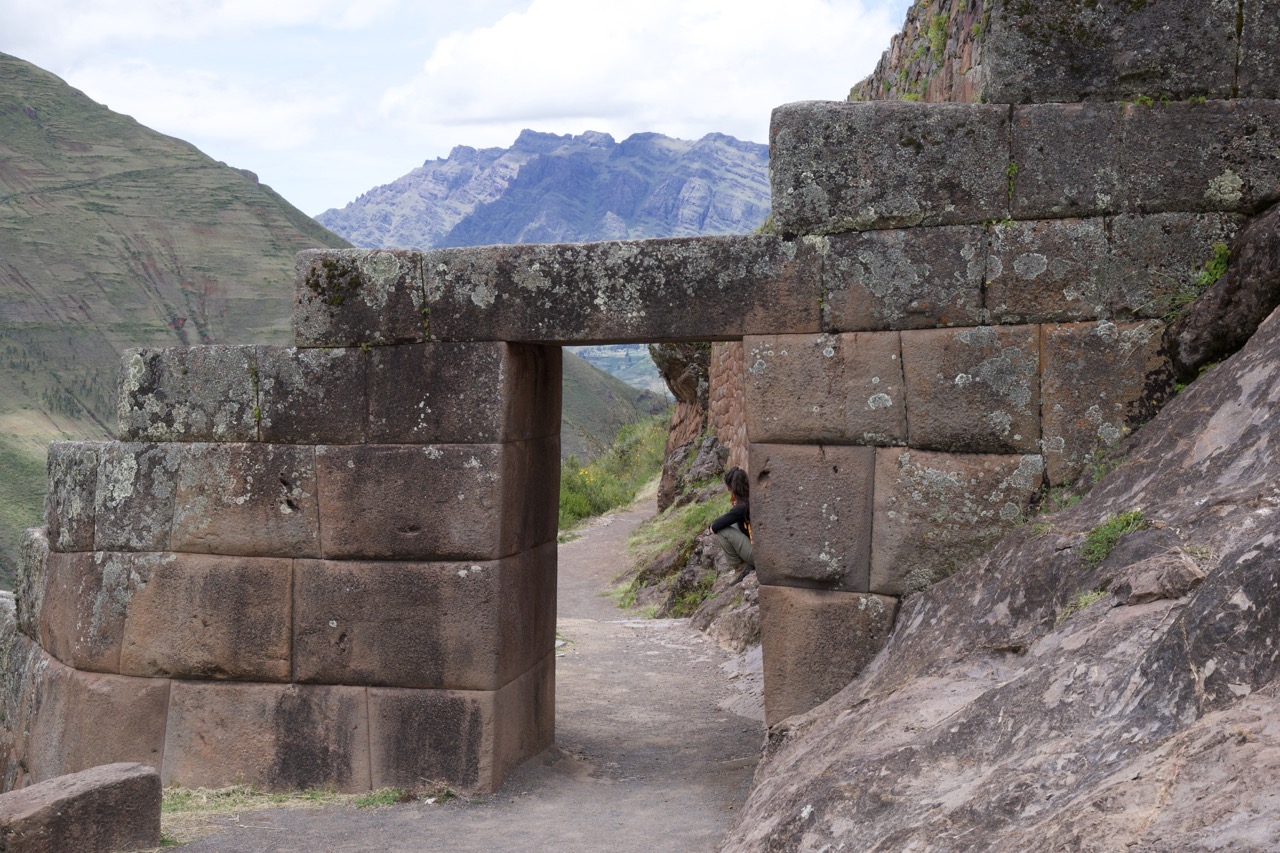
Pisac is a small town located in the Sacred Valley, and it is home to some of the most impressive Incan ruins in the area. The ruins include an impressive fortress, terraced hillsides, and a series of ceremonial baths. Visitors can explore the ruins on their own, or take a guided tour to learn more about the history and significance of the site.
You can also read: 5 places to visit in Peru
After visiting the ruins, be sure to check out the colorful market in Pisac. Here, you’ll find a wide variety of locally made crafts, textiles, and souvenirs. Bargaining is expected and can be a fun way to interact with the local merchants.
One of the most popular things to do in the Sacred Valley is to take a scenic train ride to Machu Picchu. The train ride is a beautiful journey through the Andean mountains, and it’s the perfect way to get to the famous Incan citadel.
The salt mines of Maras are an interesting and unique destination in the Sacred Valley. The mines have been in use for over 500 years, and they are still in operation today. Visitors can tour the mines and learn about the traditional salt-making process.
Ollantaytambo is another ancient Incan site in the Sacred Valley that is worth visiting. The ruins include a fortress, terraces, and a temple. The highlight of Ollantaytambo is the steep stone staircases that lead to the top of the ruins. Hiking to the top provides a great workout and stunning views of the surrounding area.
You can also read: 6 things to do in and around Arequipa
Another fun and exciting activity to add to the list of things to do in the Sacred Valley is taking an ATV tour. ATV (All-Terrain Vehicle) tours offer a unique and adventurous way to explore the valley’s rugged terrain and remote areas. The tours typically take visitors through picturesque landscapes, off-road trails and traditional Andean villages that can be hard to reach by foot or car.
Moray is an ancient Incan site that is believed to have been used as an agricultural research station. The site is made up of several large circular terraces that were used to create microclimates for different crops. The terraces are an impressive sight and are definitely worth visiting.
Chinchero is a traditional Andean village located in the Sacred Valley. The village is known for its beautiful colonial-style church and its traditional textile weaving. Visitors can take a guided tour of the village and learn about the local customs and traditions.
Another unique and luxurious way to experience the Sacred Valley is through glamping. Glamping, which stands for “glamorous camping”, is a new way of camping where you can enjoy the outdoors with all the comforts of a hotel room. It’s a great way to immerse yourself in nature without sacrificing comfort.
There are several glamping options available in the Sacred Valley, from tents and yurts to luxurious tipis and villas. Glamping tents and yurts are usually equipped with comfortable beds, electricity, and private bathrooms, allowing you to fully relax and enjoy the natural surroundings.

Peruvian cuisine is a fusion of traditional Andean ingredients and flavors with influences from Spanish, Chinese, and Japanese cuisine. The Sacred Valley is a great place to learn about and experience Peruvian food. Visitors can take a cooking class and learn to make traditional dishes such as ceviche, lomo saltado, and ají de gallina.
In conclusion, the Sacred Valley of the Incas is a destination that should not be missed on a Peru vacation. The area is home to many ancient ruins, stunning scenery, and traditional Andean villages. From visiting ancient Incan ruins, to taking a scenic train ride to Machu Picchu, to learning about Peruvian cuisine, there is something for everyone to enjoy. Don’t miss the opportunity to explore this beautiful and historic region of Peru.
Colourful Peru invites you to experience our country. We are committed to offer you the best options so you can live a Colourful journey. If you want to know more about our suggested journeys, do not hesitate to get in touch with us.
Lake Titicaca is a stunning body of water located on the border of Peru and Bolivia. Known as the highest navigable lake in the world, it is a popular destination for travelers planning a trip to Peru and Bolivia. With its crystal-clear waters, picturesque islands, and rich cultural heritage, Lake Titicaca offers a unique and unforgettable travel experience. In this article, we will explore the how to get to Lake Titicaca and what to expect once you arrive.

Lake Titicaca is located in the Andes Mountains, and there are several ways to get there depending on your starting point and budget.
The closest airport to Lake Titicaca is in Juliaca, Peru. From there, you can take a bus or taxi to Puno, which is the largest city on the shores of Lake Titicaca. There are also flights from Lima to Juliaca, and from there, you can take a bus to Puno.
You can also read: How to get to Machu Picchu
Another option is to take a bus from Lima to Puno. The journey takes around 22 hours and the bus companies offer different levels of service. Some of the bus companies offer VIP service, with reclining seats, air conditioning and meals on board. Also you could take a bus from Arequipa or Cusco, the journey takes around 6 hours.
A less common but more scenic option is to take the train from Cusco to Puno, passing through the Andes mountains. The train ride takes about 9 hours and offers spectacular views of the Andean landscapes.
Once you arrive in Puno, you can take a boat tour of the lake to visit the different islands and communities that are located on the lake.

The Uros islands, also known as the floating islands, are made entirely of reeds and are home to the Uros people, an indigenous group that has been living on the lake for centuries. Visitors can take a boat tour to the islands and learn about the traditional way of life of the Uros people.
Taquile Island is known for its terraced agriculture, traditional textiles and its Inca ruins. Visitors can take a boat tour to the island and hike to the Inca ruins, and learn about the traditional way of life of the Taquile people.
Amantani Island is known for its traditional culture and for its panoramic views of the lake. Visitors can take a boat tour to the island and stay overnight with a local family, learning about their traditional way of life and participating in their daily activities.
You may also like: What is the best time to go to Peru?
Peru vacations and Peru tours:
Lake Titicaca is a must-see destination for any traveler planning a trip to Peru. It offers a unique and unforgettable travel experience, with its crystal-clear waters, picturesque islands, and rich cultural heritage. Visitors can take a boat tour of the lake to visit the different islands and communities, learn about the traditional way of life of the people and enjoy the panoramic views of the lake.
Lake Titicaca is a stunning and unique destination that is well worth the journey. Whether you choose to fly, take the bus or train, the journey to Lake Titicaca is an adventure in itself. Once you arrive, you can take a boat tour of the lake to visit the different islands and communities and learn about the traditional way of life of the people. A Peru tour that includes a visit to Lake Titicaca is sure to be an unforgettable experience, and one that will leave you with memories that will last a lifetime.
Colourful Peru invites you to experience our country. We are committed to offer you the best options so you can live a Colourful journey. If you want to know more about our suggested journeys, do not hesitate to get in touch with us.

Lima, the capital and largest city of Peru, is known as the “City of Kings” due to its rich history and cultural significance. As one of the most important cities in South America, Lima offers a unique blend of ancient and modern culture, making it a must-visit destination for any traveler planning a trip to Peru. With its stunning architecture, delicious cuisine, and fascinating museums, Lima is the perfect destination for those interested in exploring the history and culture of Peru. Keep reading this article and know more about the history of Lima.
Lima’s history dates back to pre-Columbian times, when the area was settled by various indigenous groups, including the Lima and Ichma cultures. These ancient civilizations left behind a wealth of artifacts and ruins, including the Pachacamac Temple, a sacred site for the Lima culture that is now an important archaeological site. Visitors can explore the temple and learn about the ancient rituals and beliefs of the Lima people.

In 1532, the Spanish conquistadors led by Francisco Pizarro arrived in Lima, and the city quickly became an important center of Spanish colonial rule in South America. The Spanish built grand churches, monasteries, and convents, many of which can still be seen today. The most famous of these is the Cathedral of Lima, which was built in the 16th century and is now a UNESCO World Heritage Site. Visitors can take a tour of the cathedral to admire its impressive architecture and learn about its history.
During the colonial era, Lima was an important center of politics, culture, and trade in South America. The city was home to many wealthy and powerful families, who built grand houses and palaces. Many of these buildings have been preserved and can be visited today, including the Palacio de Torre Tagle, which is now a museum and cultural center. Visitors can take a tour of the palace to see the ornate decoration and learn about the lives of the wealthy colonial elite.

© PROMPERÚ / Luis Gamero
In 1821, Peru declared its independence from Spain, and Lima became the capital of the new nation. In the following years, the city underwent significant modernization and expansion. New buildings, parks, and infrastructure were built, and the population of Lima grew rapidly. Today, Lima is a bustling metropolis with a population of over 10 million people.
Lima is known for its delicious and diverse cuisine, which is a blend of indigenous, Spanish, and Asian influences. Visitors can try traditional Peruvian dishes such as ceviche, lomo saltado, and ají de gallina. Lima is also home to many excellent restaurants, both traditional and modern, where visitors can sample the local cuisine.
Lima is the perfect starting point for travelers planning a trip to Peru. From Lima, visitors can take flights or bus rides to other destinations in Peru, such as Cusco, the gateway to Machu Picchu, one of the most famous and popular tourist destinations in the world. Peru vacations and Peru tours are very popular and are sure to be an unforgettable experience.
Lima is a city with a rich history and culture that is waiting to be discovered. With its ancient ruins, colonial architecture, delicious cuisine, and friendly people, Lima is a must-visit destination for anyone planning a trip to Peru. Visitors can explore the city’s history, culture, and traditions, and use it as a starting point for a Peru vacation and Machu Picchu tour.
Colourful Peru invites you to experience our country. We are committed to offer you the best options so you can live a Colourful journey. If you want to know more about our suggested journeys, do not hesitate to get in touch with us.

Peru is a country known for its rich culture, history and natural beauty and a trip to Peru would not be complete without visiting the oasis town of Huacachina. Nestled in the desert of Peru’s southern coast, this small town offers visitors a unique and unforgettable experience. Whether you’re planning a Peru vacation or tour, this travel guide will help you navigate your way to Huacachina and know how to get to Huacachina Oasis.
© PROMPERÚ/ Gihan Tubbeh
The easiest way to get to Huacachina is by flying into Lima, the capital of Peru, and then taking a bus or car to the town. Lima’s Jorge Chávez International Airport is the main airport in Peru and serves as a hub for international and domestic flights. From Lima, you can take a bus or car to Huacachina. The bus journey takes around five hours, while the drive takes around four hours.
If you are planning to visit Huacachina as part of a Peru tour, many tour operators include transportation to the town as part of their package. This is a convenient and stress-free option, as you won’t have to worry about arranging transportation on your own.
You can also read: San Fernando National Reserve
Once you arrive in Huacachina, you’ll be struck by the town’s unique desert landscape and the beautiful oasis that gives the town its name. The oasis is the main attraction in Huacachina and it’s a great place to relax and take in the scenery. You can take a dip in the crystal-clear waters of the oasis, or simply relax on the shore and soak up the sun.
One of the most popular activities in Huacachina is sandboarding. The desert surrounding Huacachina is home to some of the world’s tallest sand dunes, and sandboarding is a thrilling way to experience them. You can rent a board and take a guided tour of the dunes, or you can even try your hand at dune buggy riding.
Another popular activity in Huacachina is visiting the local vineyards. The town is home to several wineries, and you can take a tour of the vineyards and sample some of the local wines.
If you’re looking for a more cultural experience, you can visit the Huacachina Church, which is located in the center of town. The church was built in the 1930s and is a great example of colonial-style architecture.

The best time to visit Huacachina is from May to September, when the weather is warm and sunny. This is also the peak tourist season, so you may want to book your accommodations in advance.
If you’re planning a Peru vacation, you might consider visiting Huacachina as part of a tour that also includes a visit to Machu Picchu. Machu Picchu is one of the most famous and popular tourist destinations in Peru and is a must-see for any traveler visiting the country. You can take a train to Machu Picchu from Cusco and spend a day exploring the ancient Incan citadel.
You may also like: What is the best time to visit Machu Picchu and its surroundings?
Huacachina is a unique and beautiful destination that should not be missed on any Peru vacation or tour. Whether you’re looking for adventure, relaxation, or culture, there is something for everyone in this desert oasis town. With this travel guide, you’ll have all the information you need to plan your trip and make the most of your visit to Huacachina. From the easy transportation options to the exciting activities and cultural experiences, there is no shortage of things to do and see in this desert oasis. So, pack your bags, and get ready for an unforgettable adventure in Huacachina, Peru.
Colourful Peru invites you to experience our country. We are committed to offer you the best options so you can live a Colourful journey. If you want to know more about our suggested journeys, do not hesitate to get in touch with us.

The Nazca Lines, mastodontic drawings only visible from the heights, are one of the great archaeological enigmas of the Earth. If you are planning to go on a Nazca tour, in this guide we will tell you the Nazca Lines history, its construction and the different theories that explain its meaning. Are you ready?
The American anthropologist Paul Kosok was one of the first researchers to formulate a hypothesis about the origin of the Nazca Lines. According to his theory, they were traced by the Nazca civilization, an archaeological culture of ancient Peru that developed in the valleys of the current department of Ica between 300 BC and 600 AD.
Although the shapes can be seen from the nearby hills, Peruvian pilots warned of its presence. In 1929 the Peruvian archaeologist Julio César Tello began to study them, and the same year Paul Kosok began his research. The American anthropologist studied the lines until the 1950s, and was in charge of finding out that they date from 550 AD using the Carbon-14 technique.
His companion, the German Maria Reiche Neumann, was the greatest researcher of the mysterious forms and dedicated her life to their study, conservation and dissemination. Thanks to her work, the Nazca Lines were declared a World Heritage Site by UNESCO in 1994.
The Swiss-Liechtenstein Foundation for Archaeological Research Abroad was the institution that conducted the first systematic field study. The research, led by archaeologists Markus Reindel and Johny Isla Cuadrado since 1996, has excavated and documented more than 650 sites to analyze the drawings and clarify their meaning.
In 2015, a team of researchers from Yamagata University (Japan) presented the results of their study that demonstrated their origin and also their possible function. According to their theory, the geoglyphs adorned the pilgrimage path to the pre-Inca city of Cahuachi, capital of Nazca culture.
You can also read: Top 5 tourist attractions in Peru

The objective and meaning of the Nazca Lines is one of the great enigmas faced by those who have investigated them. And why would the Nazca people want to trace figures on earth that can only be seen from above? Some consider them simple paths of worship, others believe they are a gigantic calendar, others that it is some kind of ritual to invoke rain. The main theories are summarized below.
Peruvian archaeologist Julio César Tello, the first to study them, described them as a series of “sacred roads”. Later, in 1932, Toribio Mejía Xesspe pointed out that the lines were part of a disappeared cult and that they were just roads with a religious sense.
Paul Kosok’s interpretation was different. The American anthropologist defined them as a great astronomical book, “the world’s largest calendar”. In the same vein, the conclusions of Maria Reiche Neumann indicate that the forms are a gigantic solar and lunar calendar that Peruvian astronomers used to make forecasts about the harvest and the rains.
The researcher thought that the purpose of the Nazca civilization was to aim at the sun and other celestial bodies with their figures, and also relate to the solstice and equinox to set the solar calendar.
The German archaeologist Markus Reindel and the Peruvian Johny Isla presented another theory. According to them, the geoglyphs were traced as part of a ritual of invocation of the rains, because the area lacked sufficient water resources and was punished with long dry seasons.
However, despite all the theories, studies and hypotheses, at present it is still unknown what is the objective and real meaning of the enigmatic Nazca Lines.
You can also read: Top 8 most beautiful places of the coast of Peru

The Nazca Lines are one of the places mentioned by von Daniken, who also includes other great monuments of history, such as the Pyramids of Egypt, Stonehenge megalithic stones or Easter island moais. The author explains that the extraterrestrials landed in the Nazca desert and, since they needed long runways, they ordered the natives to build the lines that formed the figures.
Scholars dismissed this theory as unreasonable: it does not seem logical to think that high-tech aircraft of extraterrestrials need long runways to land and, if so, the intricate spiral-shaped lines of the monkey’s tail or the giant bird’s zigzagging neck do not seem the most conducive place to do so.
With everything you’ve just read, you already know much more about the Nazca Lines theories and history. They are definitely one of those achievements of ancient humans that continue to amaze as the first day. We hope this information has been useful to you. Enjoy your Nazca flight tour and take many photos from the air!
Colourful Peru invites you to experience our country. We are committed to offer you the best options so you can live a Colourful journey. If you want to know more about our suggested journeys, do not hesitate to get in touch with us.


Our team will be contacting you as soon as possible.
