There is no doubt that planning a trip to Machu Picchu will be an unforgettable journey. This magical place has features that make it the favorite for all types of tourists. Do you like millennial history and culture? In Machu Picchu you will know plenty of anecdotes related to this administrative, cultural and political Inca Empire, from old customs to how people lived at that time.
Are you a nature lover? Here, the fabulous scenery on your way to the Historical Sanctuary will fulfill this expectation. Machu Picchu is not only living history, it is also a great example of how ancient civilizations lived in harmony with the environment, making it part of their home. Do you like outdoor sports? There are also alternatives for you to release the accumulated energy.
But now the question arises: what is the best time to visit Machu Picchu? The answer would be during the dry season. Don’t worry, below we will give you all the necessary guidelines for you to schedule a successful trip to the southern region of Cusco!

The first thing to emphasize is that, unlike the four seasons we regularly know, in Cusco there are two: the dry season, which runs from April to September, and the rainy season, which takes place between October and March.
As it is well known, Cusco has an extreme climate. An intense drizzle could ruin the plans you meticulously organized. That is why the best time to visit Machu Picchu goes from the fourth to the ninth month of the year.
However, during the dry season there are rainy days, but the chances of prolonged rains or that they can ruin some walks are tiny. The months with the least probability of rain are May, June and July, which also coincide with the peak season. So go for your calendar and start separating the dates that best suit your days off so that your holiday will be unforgettable.
You can also read: What to visit in Cusco?
It is true that all those tourists who travel to Cusco have to make a necessary stop in Machu Picchu. But what’s around here? Lots of history and adventure. One of the most carried out activities among the attractions that connect you to the Historical Sanctuary is to take the Qhapaq Ñan route, also known as the Inca Trail.
This activity is ideal for lovers of outdoor sports such as hiking. You don’t need to be an expert in order to take it. Although, it is advisable to be in optimal conditions because, in addition to the long walks (which last between 2 to 4 days, depending on how experienced you are in trekking practice), you have to deal with the Cusco altitude (approximately, 3399 meters above the sea level).
Just like going to Machu Picchu, the Inca Trail has an ideal season, which is during the months of April and October. Nevertheless, unlike the Historical Sanctuary, there is a month in which you cannot enter the Qhapaq Ñan, even if you want to. In February, the Inca Trail is closed because it is dangerous to take this route with the constant and heavy rains.
If you want to stay connected with the ancient history of Cusco, there is an archaeological center on the way to Machu Picchu. This is his ‘sacred sister’, Choquequirao, which was one of the last cities inhabited by the Incas. This city full of history, listed as Cultural Heritage of the Nation, is located in the hills near the Salkantay Glacier, another favorite destination for hiking and mountaineering enthusiasts.
You can also read: What to visit near Cusco?

To enjoy even more the Inca citadel, in any of the two seasons, we recommend you to bring the following:
Now you know what are the best months to travel to Machu Picchu. It does not matter if you are traveling alone, with your family, your partner or friends, we are sure that you will have an unforgettable experience here. We hope this information has been useful to you!
Colourful Peru invites you to experience our country. We are committed to offer you the best options so you can live a Colourful journey. If you want to know more about our suggested journeys, do not hesitate to get in touch with us.

We update the measures to enter to Peru. If you are thinking of traveling to Peru, we have good news for you: Peru is an open destination for national and foreign tourists.
To enter to Peru, you must consider some points that we will share with you below:
First, you should check if you need a visa to enter Peru, this can be done through the consulate closest to your location to see if it is necessary to apply for a visa to enter Peru, since the requirements may vary at any time. For more information enter here:
At the moment, due to the pandemic, the entrance of people coming from South Africa is forbidden.
According to the latest update of the regulation of September 20th, every passenger entering Peru must have an RT-PCR test for COVID-19 issued up to 72 hours before boarding, and without obligatory character, the presentation of the vaccination card of the country where it was vaccinated. In this sense, the COVID-19 antigen detection test was no longer accepted for entry into the national territory. Children under 12 years old only need to hand in a good health medical certificate.People who have overcome the disease up to 3 months before the trip must hand in a health document from the country of origin that certifies discharge from the disease.
We have gradually made progress to obtain the Safe Travels seal, a global award that standardizes the biosafety protocols designed by the WHO (World Health Organization), and that must be followed in each destination for tourist care.
The destinations in Peru that have the Safe Travels seal are:
On the coast:
– The beaches of Piura: Máncora, El Amor, Las Pocitas, Los Órganos, Vichayito, Punta Veleros and Cabo Blanco.
– The beaches of Tumbes: Zorritos and Punta Sal.
– The Mangroves of Tumbes, Puerto Pizarro and the Cabeza Vaca archaeological circuit
– Lima
– Ica
In the Andes:
– Cusco: Cusco city, Sacred Valley and Machu Picchu
– Cajamarca: Namora, Cumbemayo, La Colpa and Llushcapampa
– Ayacucho: natural pools of Milpo, archaeological complex of Wari and Pampa de Ayacucho.
– Junín: Chanchamayo and Satipo
– Huaraz
– Puno and Lake Titicaca
– Arequipa & Colca Valley
In the Amazon:
– San Martín: Tarapoto and Altomayo
– Loreto: Iquitos, Amazon River and Pacaya Samiria National Reserve
– Tambopata
Yes, tourists can travel on their own in Peru using public transport. However, it must be considered that, by legal norm, the capacity of these is restricted to avoid the spread of the virus and that the priority is for locals. Colorful Peru recommends hiring tourist services, not only to support the sector that has been seriously affected by the pandemic, but also to avoid contagion to local people.
Due to the government’s regulations and under the biosafety policies of the Safe Travels seal, all excursions that are shared with several tourists are limited to 50% of the vehicle’s capacity. Likewise, the entrance to the archaeological centers is limited and the entrance hours are restricted until 3pm.
– The entrance is from 06:00 a.m. to 2:00 p.m.
– Before entering the citadel of Machu Picchu, the personnel in charge will take all visitors temperature.
– The social distancing of 1.5 meters must be kept throughout the tour. There are staff verifying this.
– During the tourist visit the consumption of food will not be allowed.
– The correct use of a mask is mandatory throughout the tour.
– We recommend reading the “How to visit Machu Picchu Post Confinement” article.
To learn more about the protocols to follow during your visit to Peru, we recommend reading our article “Sanitary Protocol Against COVID-19“.
If you have any questions, contact us HERE.
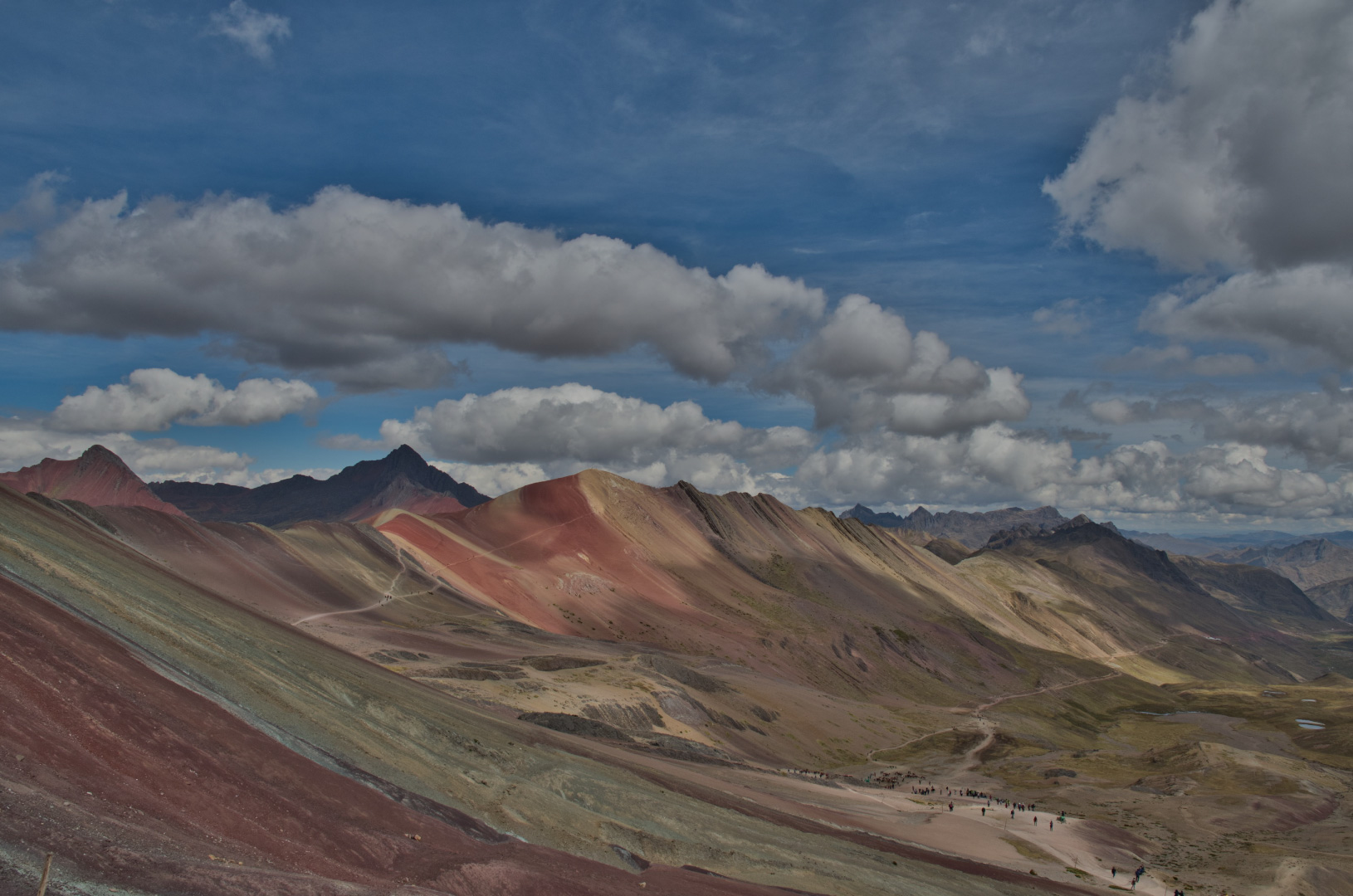
Hi everyone! In this article, I am going to give you some tips to visit the Rainbow Mountain.
The Rainbow mountain has become one of Peru’s most visited attractions for the last years. What stands out the most of this destination is the impressive colorful landscape that nature offers us from the top of the mountain.
The Vinicunca mountain is also known as montaña de 7 colores or rainbow mountain. The mountain owes its colours to the minerals in the soil, such as clay, quartz, iron, magnesium, and sulphate.
Vinicunca is in the Pitumarca district, in the province of Canchis, in the department of Cusco. To get there you need to go by car up to the final stop, about 4 hours from Cusco city and two hours walking from the stop. Although the trip is a bit long, it is definitely worth it.

We recommend taking a one-day planned tour since the access is a bit rough and getting to the stop is not easy. To make the most of the day, the departure of the tourist cars that go to the mountain is very early, between 4 and 5 am. There is a stop on the way to have breakfast at a local restaurant. The trip continues on a dirt road for about two hours.
We suggest travelling light and taking plenty of water or coca tea. The walking distance is not very long, but the lack of oxygen due to the altitude hinders the climb. The maximum altitude is 5,200 m.a.s.l.
After visiting the mountain, you will go back to the car to return to Cusco. There will be a stop on the way to have lunch at a local restaurant.
The best season to visit the mountain is winter. Even though it is the coldest season, it also has the best views. During summer, (between November and March) the trip is a bit risky due to thunderstorms, rain and snow.
We recommend taking with you:
If you prefer going on your own, you should take a local bus to the Cusipata town. There, you can hire a taxi to take you to the final stop and wait for you there to go back to the stop. You will also have to pay for the entrance fee to the mountain.
Another way to visit the Vinicunca is by making a 7-day (approximately) trek to Ausangate. In this case, it is necessary to hire a travel agency.
Find out more about one of our suggested trips to visit the mountain HERE.
Until the next entry!
Follow us


As I promised in the last article about what to visit in Cusco city, I´ll give you some advice about, what to visit near Cusco? To visit Cusco’s surroundings, it is advisable to take at least a week because it is worth to spend at least one day in each place.
There is a tourist ticket system in Cusco that includes the entrance to several archaeological sites and museums. There are two types of tickets: a full rate tourist ticket that includes all the archaeological sites and museums and a partial tourist ticket that allows the entrance to only four sites (BTC).
Here are the most important sites to visit near Cusco city:
The Sacred Valley is 60 minutes from Cusco city, it is a wide area with several archaeological sites to visit:
 These ruins are at the upper part of the town of Pisac. It is one of the best-preserved Inca archaeological remains in Cusco. It is believed to have been a small city were the Inca royalty dwelled. It was a fortress that also had an impressive agricultural terrace system.
If you visit this archaeological site, I recommend walking through the streets of Pisac and visit its crafts market.
You can get there by public transport from Cusco city. The entrance fee is included in the tourist ticket.
 This fortress is in the town of Ollantaytambo at the end of the Sacred Valley route. It’s an essential stop before taking the train to Machu Picchu.
Ollantaytambo was a military fortress from where the Sacred Valley was guarded and protected from any attack or invasion.
We can see vigilance posts that were never left unattended in front of the fortress.
There is public transport to get to Ollantaytambo. The entrance fee is included in the tourist ticket.
 Moray Archaeological Complex:
Moray is about 50 minutes by car from Cusco city. It is an Inca farming research complex that consists of platforms displayed in circles that create microclimates and different altitude levels where they grew different types of produce according to climate and altitude they needed. To get there you can take the public transport to the town of Chincheros and then hire a taxi to get to Moray. The entrance fee is included in the tourist ticket.
 The Maras saltmines are on the way to the Moray archaeological complex, near the town of Maras. It is advisable to visit both sites in the same tour. These saltmines of pink salt have been exploited since the time of the Incas and they consist of more than 3,000 pools that belong to different families. The salt is extracted in a certain season of the year and it is sold right there or in supermarkets. To get to Maras you can take the public transport to Chincheros and then take a taxi to the saltmines. The entrance fee is S/ 7 (US$ 2.5) and it can be paid at the site.
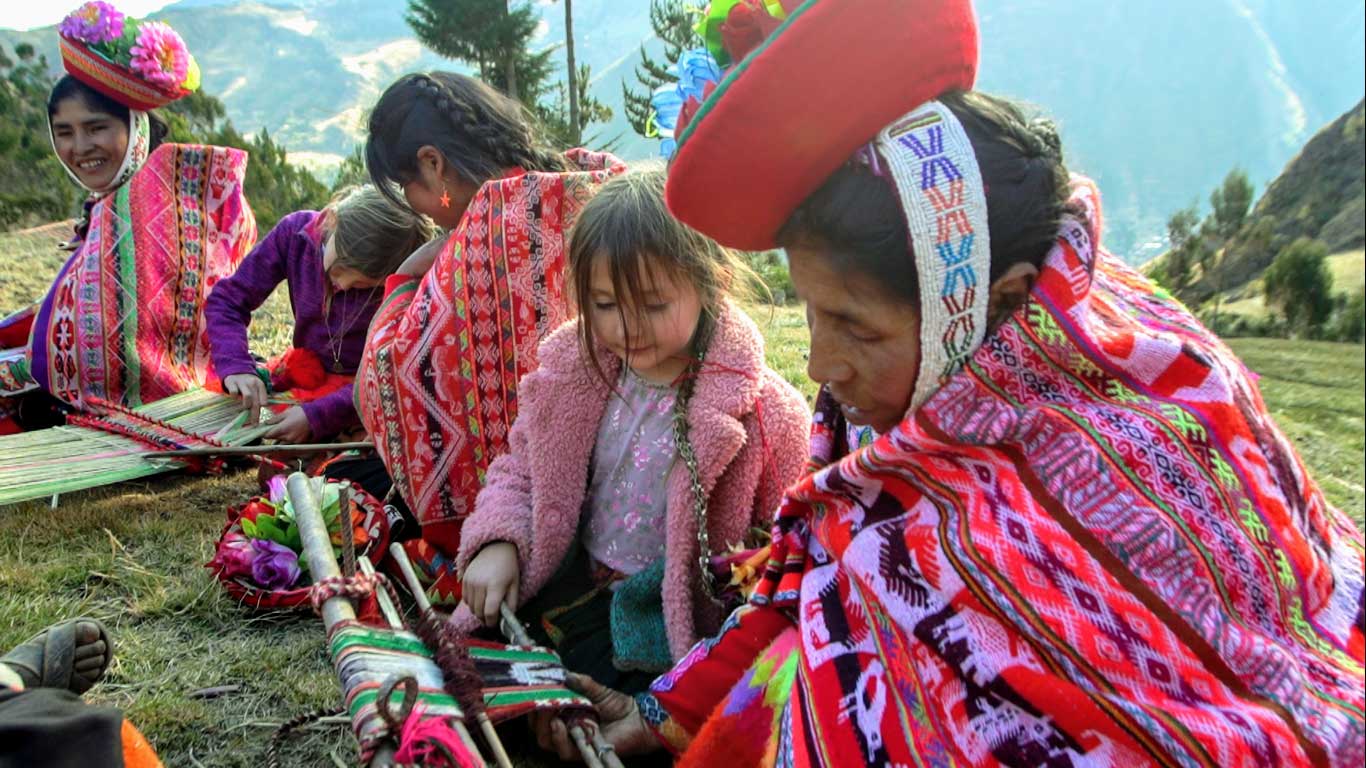
Chincheros is about 40 minutes from Cusco city. It is a town that preserves its culture and traditions. Visit some of its wool dyeing, threading and weaving centres and walk through its streets and visit its church.
We recommend taking at least two days for these tours: a day to visit Chincheros, Maras and Moray and another day to visit Pisac and Ollantaytambo. Pisac and Ollantaytambo can be visisted before or after visiting Machu Picchu since the train station is in Ollantaytambo.
Besides of the mentioned places, several adventure sports excursions are carried out in the Sacred Valley: rafting, via ferrata, zip line, paddle, four-wheelers, bicycle riding, etc. I’ll write an article about these activities further on.
The famous Machu Picchu citadel is about four hours (by car and train) from Cusco city. It is believed that Machu Picchu was built by the Inca Pachacuteq as a place to rest. Only noble people, priests and aqllas (virgins of the sun) lived there.
 From the moment you enter the citadel, you will be amazed, listening to its history and walking through its alleys. It’s an experience you won’t forget.
To get to Machu Picchu you will need to take a train. There are two train stations: in Poroy, 20 minutes by car from Cusco city or in Ollantaytambo, which is an hour and a half from Cusco city. We recommend taking the train in Ollantaytambo because you can carry out other activities before or after your visit to the Sacred Valley.
Once in the town of Machu Picchu or Aguas Calientes, you will need to take a bus to the entrance to the citadel. This ride takes about 20 minutes approximately. You can also get to the citadel by walking. The trek can take 2 hours depending on your physical condition. The entrance fee to Machu Picchu costs US$ 50 for foreigners.
The whole excursion can be made in a day, however, to fully enjoy this place, we recommend staying at least one night in the town of Machu Picchu (Aguas Calientes).
There are other activities you can carry out near the citadel such as trekking to the Mandor waterfalls or visiting the Santa Teresa town to relax in its thermal waters.
Best known as the Rainbow mountain, it is located four hours by car from Cusco city and almost two hours if you go

on foot. We recommend hiring a tour since the access is difficult. The tour starts very early leaving the city at 4 a.m. approximately. There is a stop on the road to have breakfast. After about 4 hours, you will arrive at the trek’s starting point. The road is not very long, but the altitude and the cold weather make the trek a little bit difficult. Once you arrive at the top, you will be amazed by the 360° view of the landscape. It’s totally worth it.
After taking some pictures, your guide will tell you it’s time to begin the descent to your transport. On the way back, you will stop to have lunch and recover energy. You will arrive at Cusco at 6 p.m approximately.
The tours generally include transport, guide, breakfast, lunch and the entrance fee to the mountain.
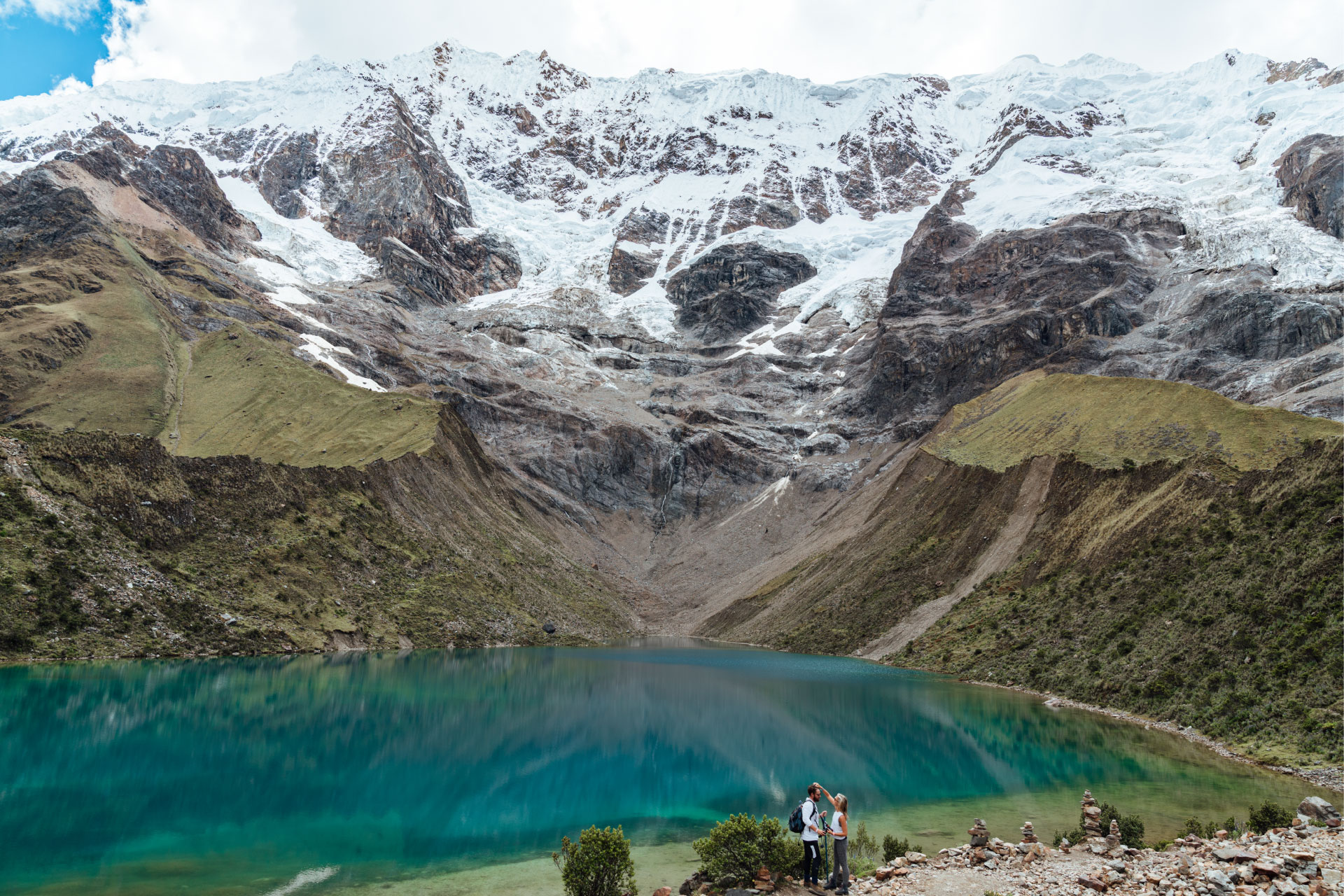
The Huamantay lake and snow-capped mountain are northeast of Cusco city, four hours by car and a bit more than two hours if you go on foot.
 Just as in the Winicunca mountain, it is preferable to hire a one-day tour that includes transport, guide, breakfast, lunch and entrance fee.
This trek is a little bit more difficult than the trek to the Rainbow mountain because the ground is full of stones and the soil is looser. We suggest taking a walking stick to help you and to have more stability
This is a very nice experience, even though the trek can be a bit exhausting, arriving at the lake´s shore at the foothill of the mountain will show you how beautiful our planet is.
In the next article, I’ll tell you more about other places to visit near Cusco that aren’t very known but are totally worth visiting.
Check out our tours near Cusco.
Until the next article!
 What to visit in Cusco? Cusco is the most visited city of Peru by foreign tourists. You are surely asking yourself what you can visit in Cusco.
Cusco was the centre of the Inca culture, so it has a lot of places to know. Besides, as it is located in the Peruvian Andes, it has incredibly beautiful landscapes and the type of geography that allows its visitors to do adventure sports. Cusco still preserves its living culture, the locals are willing to show you more of their way of living, art, work, and more.
In this article I’ll tell you about the most relevant places you should visit in Cusco, later, I’ll write about the places you should visit around the city, experience-based tourism and adventure tourism.
Sit on a bench in the main square to rest and watch people passing by. Then, you can visit the cathedral and the  Compañía churches that are at the square, see the wonderful architecture and art that these churches preserve.
If you are already acclimatized to the altitude, walk towards the Triunfo street on the right side of the cathedral until you get to the twelve-angled stone. This stone is a sample of the perfection with which the Incas fit the stones when they built their walls. Know more about the Inca walls HERE.
Some blocks ahead, you’ll arrive at the San Blas square. San Blas is a bohemian and very colourful neighbourhood. Since it is at a high point of the city, the view is unique. I recommend you choose a cafe or restaurant with a balcony to have refreshing drink and relax with a postcard-like landscape view.
 All these places can be visited in half a day, always taking it easy to avoid altitude sickness.
Visiting the Korikancha or temple of the Sun is also a must. When the Spaniards arrived to conquer Peru, they built churches over the adoration temples of the Incas during the evangelization process. On the Korikancha temple’s façade we can clearly see the different types of construction. On the lower part, the Inca walls, and on top the Santo Domingo church with colonial architecture.
 About 20 minutes from Cusco by car, there are four ceremonial temples with hydraulic engineering systems that are worth visiting.
Sacsayhuaman is an Inca fortress where the Incas carried out worship ceremonies. You’ll be amazed by its architecture and its walls built with five-meter-tall stones.
The Qenqo archaeological complex is a few minutes walking from Sacsayhuaman. This complex was severely destroyed by the Spaniards. It can be deduced by its remains that it was a very important place for the Incas where the sun, moon, mountains and land were worshipped.
Tambomachay was a temple to worship water and where the potentate from the Inca empire could rest. There, you will be able to see the engineering the Incas used to transport water with such precision that it still works.
Lastly, on this route you will find Puca Pucara, a military Inca complex that comprises big walls, terraces and staircases that were part of a fortress to defend the Inca territory.
Needless to say, Cusco city is a place to walk and wander through its streets and alleys. You will find on every corner traces of pre-Hispanic remains, museums that you might find interesting, convents, churches, mansions, etc.
Try and savour its gastronomy prepared with local ingredients such as quinoa, kiwicha, alpaca, guinea pig, several types of potato and different aromatic herbs that give the food a unique and delicious taste.
I’ll be back soon to tell you more about this magical city. On the following LINK you can see some suggested travel packages that you can take to visit the Imperial City of Cusco.

 Are you planning to visit Lima, but you don’t know which places you can visit there? In this article I’ll tell you what to see in Lima.
Lima is on the Peruvian coast and it is the only capital in South America that has a bay.
The most important international flights that arrive in Peru land in Lima, so here is a list of activities you can carry out in the capital of Peru.
 The historic center tells us about the life during the colonial times through its impressive palaces in the main square and through the city’s most important houses around it.
We recommend visiting the San Francisco church and its catacombs, the cathedral and the Archbishop’s Palace at the main square. Walk through the Alameda Chabuca Granda (at the back of Palacio de Gobierno) and the Torre Tagle Palace. Know more about our history visiting the Inquisition Museum or enjoy the art at the Museo de Arte de Lima (MALI).
 We recommend taking a whole day for this tour. Getting to the city centre is very easy, you can take the public transportation (Metropolitano) or you can get there by taxi. You can also book a tour that lasts half a day.
The admission to some of the temples and palaces has a cost:
*The prices in US dollars are an approximate, they depend on the daily exchange rate.
 Near de historic centre there are some places you might find interesting:
 Miraflores District
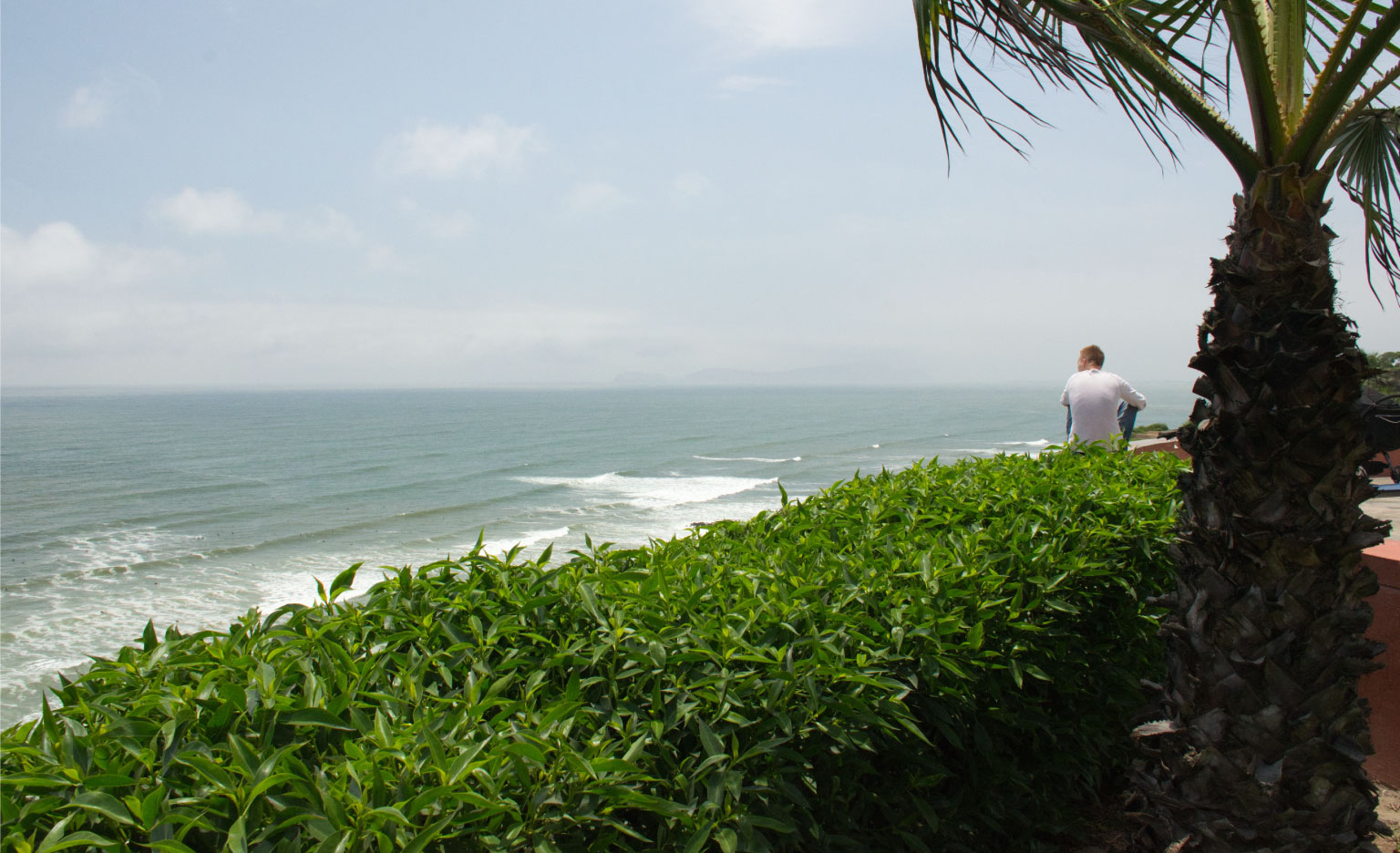
Miraflores is Lima’s most touristic district. Every tourist stopping by walks through its boardwalk and beholds the bay. Miraflores has a lot of bars and restaurants for those who want to enjoy the city’s night life. The municipality of Miraflores constantly displays art exhibitions and fairs that are free of charge in most cases. Find out about these activities on this link: Agenda Cultural.
 Barranco District
Barranco is a bohemian neighbourhood that was inicially a seaside spot for summer visitors. It is currently one of the city’s most touristic districts. It has mansions that have been turned into luxurious hotels, art museums, restaurants and bars for all tastes. Don’t forget to cross the Puente de los Suspiros bridge and make a wish.
Lima is currently considered the Culinary Capital of America due to the fast evolution of the development of its

Foto: PromPeru – Gihan Tubbeh
typical food, the knowledge about its ingredients and their preparation, and to the creation of new dishes that combine the cultural diversity of our country.
It is possible to visit the local markets and know more closely about the different types of native fruits and vegetables. Try the wide range of flavours and dishes that the local restaurants offer. Check if you need a reservation, some of these restaurants require reservations 3 months in advance.
On the other hand, some private spaces offer other kinds of experiences, for example, ‘Peruvian Experience’ offers a space not only to know the Peruvian gastronomy but also to participate in it.
Lima has a lot to offer to its visitors, so we recommend you to stay at least three days to know the city better.
HERE you can see some travel packages that include tours to this city.
 In this article I’m going to tell you about a little known and visited destination in Peru: The San Fernando National Reserve.
This place is a paradise for those who love marine life and birds and it is also a passage to the coast for high Andean species.
This reserve is located in the Changuillo district in Nazca and the San Juan de Marcona district in Ica, about 7 hours by car from Lima. It has a 154,716.3-hectare area.
Its climate varies according to the season. In summer (from December to March) the maximum temperature varies  between 26oC and 34oC, while in winter (from April to November) the maximum temperature varies from 16°C and 26°C.
The San Fernando National Reserve was created to protect the areas ‘ecosystem where different bird species such as guanay cormorants (Phalacrocorax bougainvillii), Peruvian Boobies (Sula variegata) and Peruvian pelicans (Pelecanus thagus) live. We can also find endangered species such as Humboldt penguins (Spheniscus humboldti), red-legged cormorants (Phalacrocorax gaimardi), Peruvian diving petrels (Pelecanoides garnotii) and Andean condors (Vultur gryphus).
 We can also find marine mammal species such as marine otters (Lontra felina), South American fur seals (Arctocephalus australis), South American sea lions (Otaria byronia) and thirteen cetacean species. Among the cetaceans we can highlight the humpback whales (Megaptera novaeangliae), blue whales (Balaenoptera musculus), sperm whales (Physeter macrocephalus), bottle-nose dolphins (Tursiops truncatus) and orcas (Orcinus orca). The sightings of these animals depend on the season since some of them can only be seen during their migration time.
 Land mammals such as Andean foxes (Pseudalopex culpaeus), pampas cat (Lynchailurus pajeros), cougars (Puma concolor) and guanacos (Lama guanicoe) can also be found.
The reserve can be visited throughout the year, however, the access is complicated and a 4×4 truck is needed.
Colourful Peru offers fixed departures throughout the year that include transportation, meals and accommodation. Ask for our tour packages HERE!
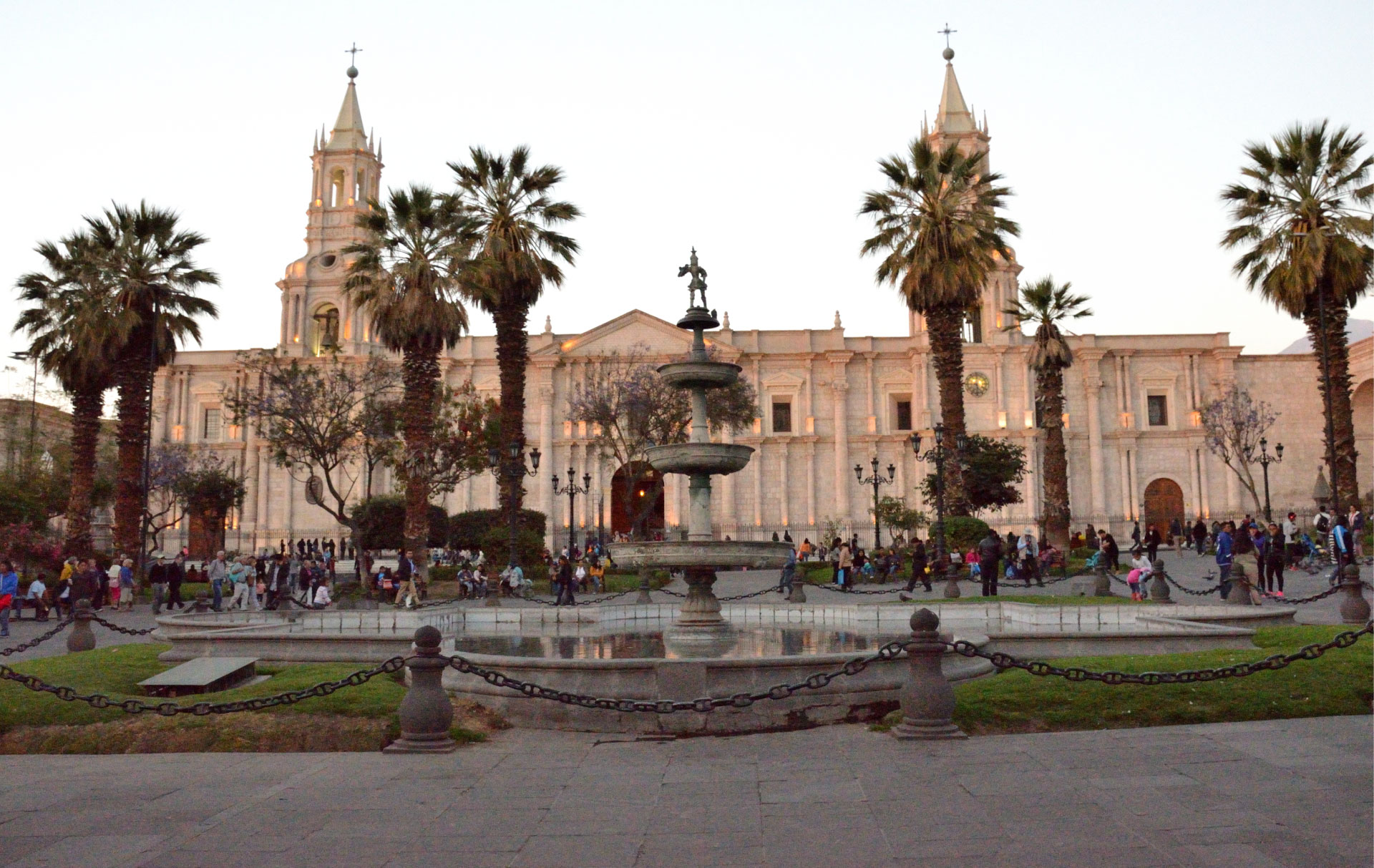
Hi everyone!! Since we are in the anniversary month of Arequipa, I am going to tell you a bit about what knowing this beautiful city during this month means.
 Arequipa was founded on August 15th, 1540 at the foot of the Misti volcano in the Andes mountain range. Its people are known for having a strong temper and for being tenaciously proud of their land, this is why we can find the phrase “No en vano se nace al pie de un volcán” (“Not in vain one is born at the foot of a volcano”) in one of the arches of the Yanahuara square.
There are different activities that are carried out throughout August to pay homage to the city: gastronomic and dance festivals, handicrafts fairs, parades, excursions, international artists’ concerts and more.
 Regarding gastronomy, the adobo arequipeño festival stands out. The adobo arequipeño is a traditional dish made of marinated pork. This festival is carried out in the Cayma district square: the typical place to taste this delicious dish. Besides, you can taste other typical dishes in the “Chacu de Vicuñas” festival and in the Feria Internacional Arequipa (FIA) (Arequipa’s international fair)
You can also go to different dance festivals, such as Festidanzas that has international guests and Taller Internacional de Danzas Folklóricas (International Dances Folk Workshop).
 The best-known handicraft fair is in the Fundo El Fierro, next to the San Francisco square in the historic center of the city.
The parades, excursions and concerts take place in different dates throughout August, so you don’t miss any of them.
On August 14th, the previous day to the anniversary’s main date, all the squares in every district and the FIA carry out the typical serenade to celebrate one more year of the city’s foundation. People sing proudly the city’s anthem on August 15th at midnight.
Visit Arequipa and share the pride of living one of the best festivities in Peru with its people. Check out our tours clicking HERE!
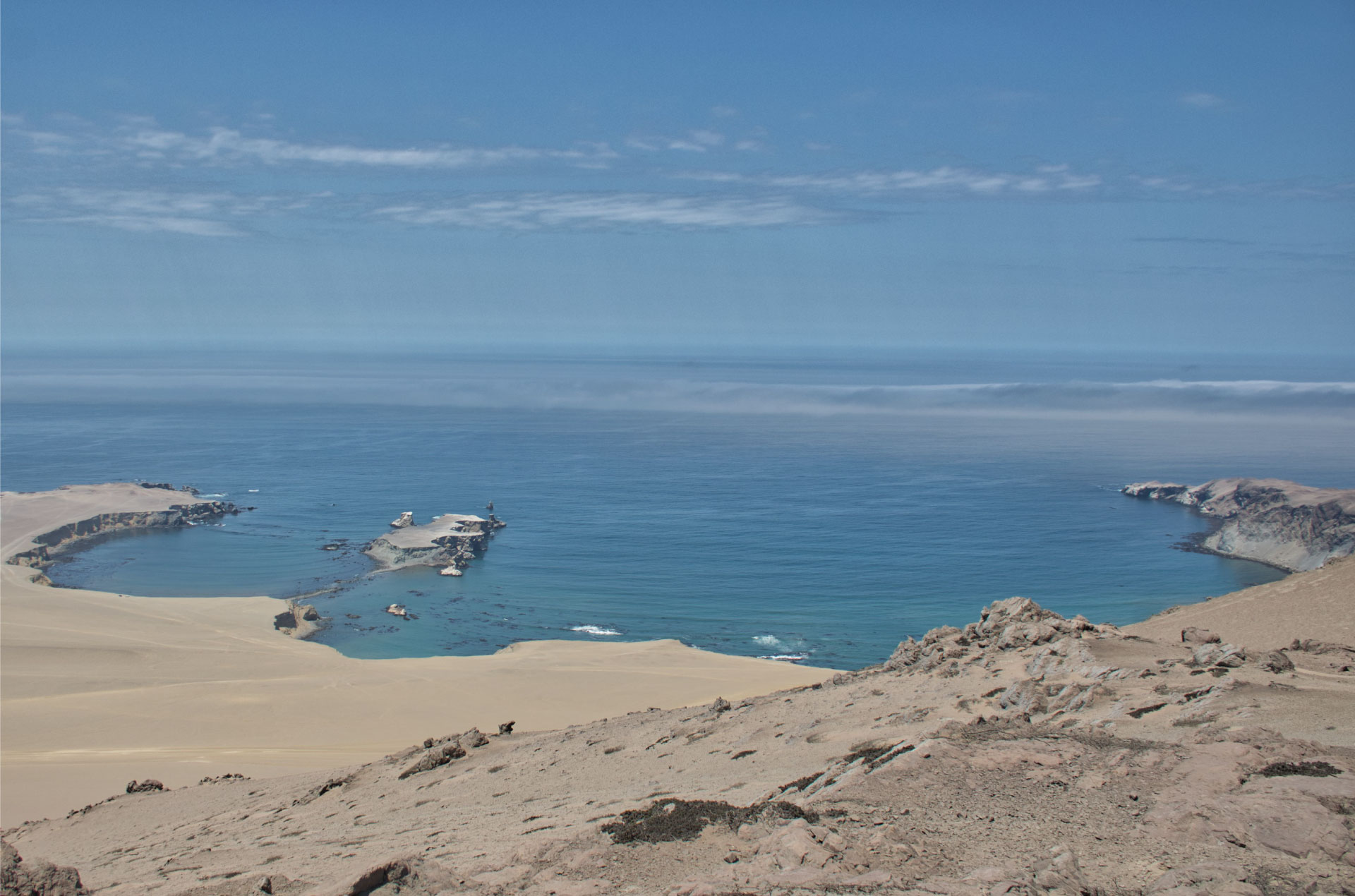
Hi everyone! Today I´m going to tell you about the Ballestas islands.

The Ballestas islands are located in Ica department, 250 kilometers south of Lima in the Guano Islands, Isles and Capes National Reserve System that was recently created to preserve the biological diversity from the ecosystems of the Humboldt Current’s cold sea.
This place is home to 18 bird species and 3 mammal species.
Because of its diversity this is a visit point that bird watchers from all over the world shouldn’t miss. Different fauna species stop in the islands to rest and eat during migration. It is also a key spot for marine fauna.
 The Peruvian or Humboldt penguin (Spheniscus humboldti) is among the different species we can find in the Ballestas islands. Its population is decreasing every year due to the shortage of nesting places and food, human predation and at a larger scale due to the climate changes occurring worldwide.
The islands are also home to the Peruvian pelican, also known as alcatraz (Pelecanus thagus). This bird’s population has been affected because of the food shortage caused by the El Niño phenomenon.
 We can find other bird species that live in the Peruvian coast all year round: Peruvian boobies (Sula variegata), belcher’s gulls (Larus belcheri), red-legged cormorants or chuitas (Phalacrocorax gaimardi), guanay cormorants (Phalacrocorax bougainvillii), inca terns (Larosterna inca), kelp gulls (Larus dominicanus). Among the migratory species we can find the ruddy turnstone (Arenaria interpres) that nests in Canada between May and August and migrates to the west coast of South America between October and April. The surfbird (Aphriza virgata) that visits us between October and April. The Franklin’s gull (Leucophaeus pipixcan), that can also be seen between October and April. The grey gull (Leucophaeus
  modestus) that comes from Chile between spring and summer and the surf cinclodes (Cinclodes taczanowskii), that are from Peru, but can only be seen on the Ballestas islands occasionally.
Among the mammal species we can find a few marine otters or marine cats (Lontra felina). These are a kind of otter that can be found in larger amounts from Chimbote, in Ancash department to Tierra del Fuego in Chile and Argentina. We can find bottlenose dolphins (Tursiops truncatus) and a larger amount of South American sea lions (Otaria flavescens) as well.
We can also find crabs, starfish and sea spiders.
The excursion takes half a day and then you can visit the Paracas National Reserve. I’m telling you more about it on my next article.
Until next time!
To know about our tours clic HERE!

In South America we can find a series of Inca trail networks that are over 30,000 km and were used by the Incas to transport animals, food as well as to make the communication between the coast and highlands easier. All these trails are connected to Cusco city, the capital of the Tahuantinsuyo.
We can find these trail networks in places so distant such as Quito (Ecuador), Cajamarca (northeast of Peru) and even Bolivia and Chile. However, the best-known route connects
Cusco city to Machu Picchu, the Lost City of the Incas. Currently, there are daily departures to go hiking on this route.
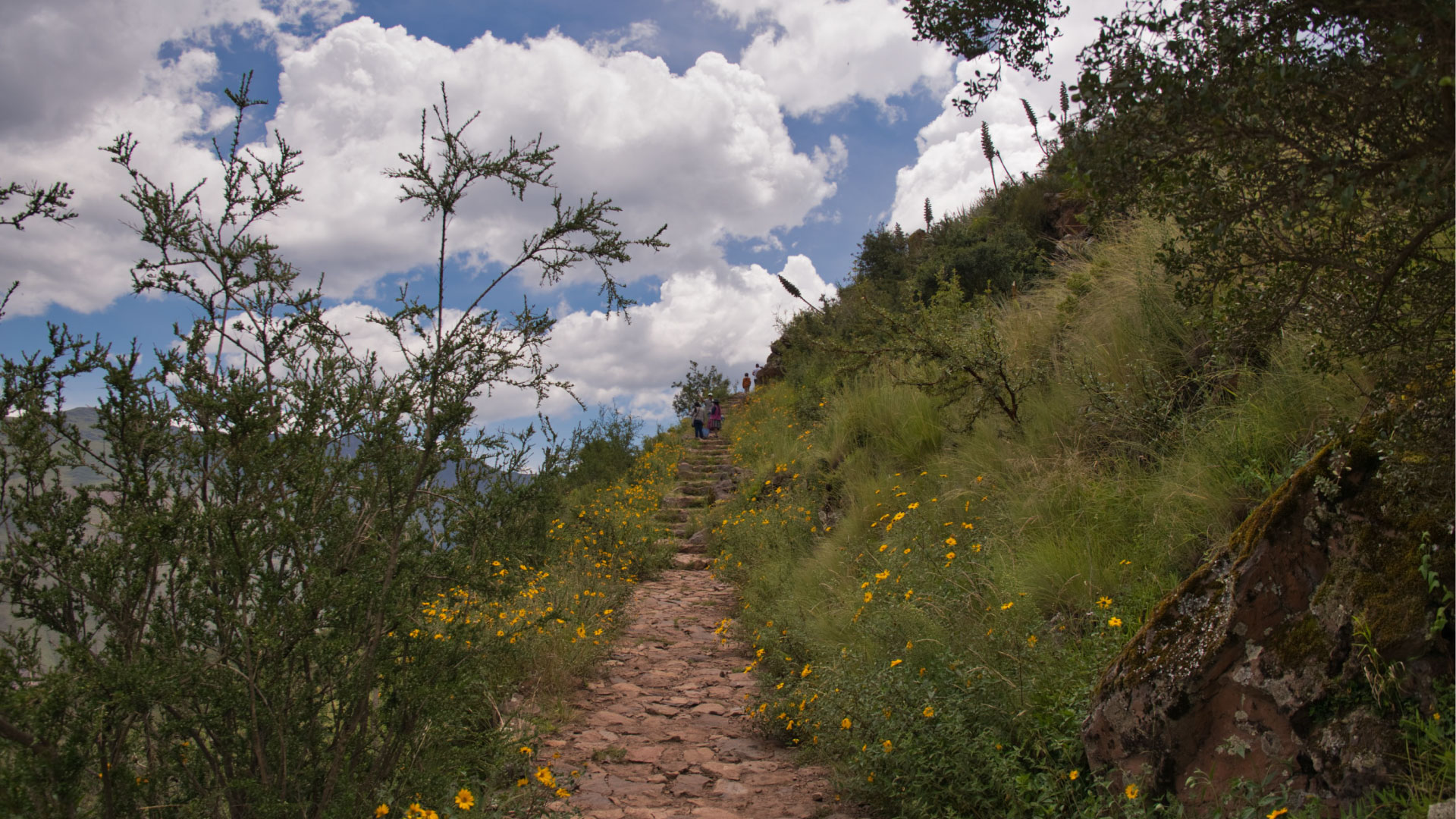
The Inca Trail trek consists of 4 days walking, camping on esplanades and cooking on the route. It is an intense trek, especially because of the area’s high altitude: the highest point is over 3,700 meters above sea level. Despite this, it is a unique experience because of the landscapes, the flora and fauna that nature offers us and as a grand finale the entry to the Machu Picchu citadel on the last day’s dawn.
Besides, the equipment includes a first-aid kit and satellite telephones to be in communication with the office at any time.
The reservations for 2023 are already available. Don’t miss the chance to know one of the Wonders of the World through one of the Incas’ most used trails. For more information please click here.

Our team will be contacting you as soon as possible.
