Perched high in the majestic Andes Mountains, the ancient ruins of Machu Picchu have long captured the imagination of travelers worldwide. This UNESCO World Heritage site is undoubtedly one of the most iconic tourist attractions in Peru, attracting millions of visitors each year. However, the Inca Empire’s rich legacy extends far beyond Machu Picchu, encompassing a network of sacred sites of the Incas that dot the Peruvian landscape. In this article, we invite you on an extraordinary journey to explore the hidden treasures and lesser-known marvels of the Inca civilization, revealing a tapestry of history, spirituality, and natural beauty that will leave you awe-inspired.

Photo: Fernando López / PROMPERÚ
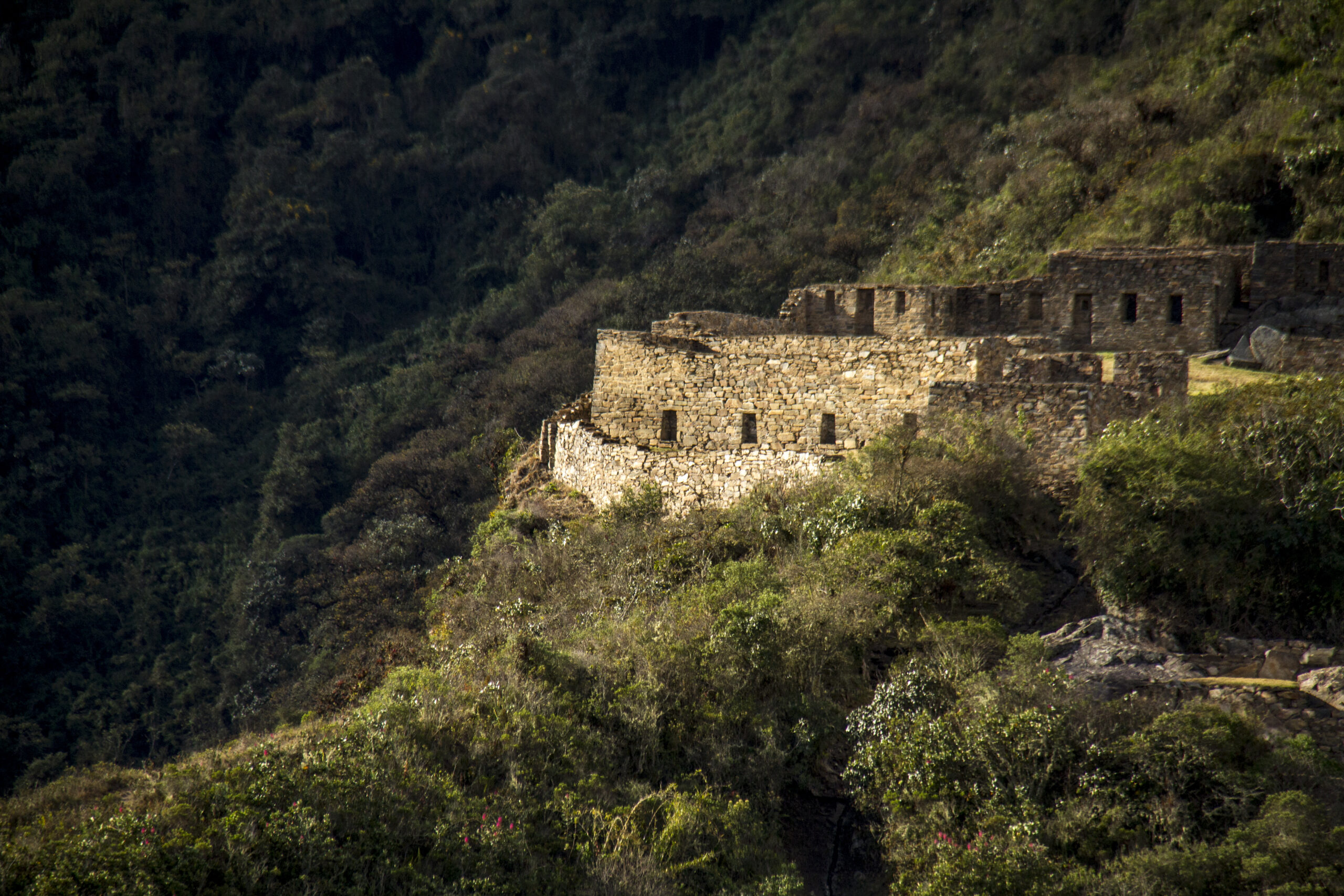
Hidden deep within the Vilcabamba mountain range, Choquequirao emerges as a rival to the famed Machu Picchu. This remote archaeological site, often referred to as the “Sister City,” offers an immersive experience away from the crowds. Embark on a challenging trek, surrounded by lush vegetation, cascading waterfalls, and breathtaking vistas. As you traverse the stone terraces and ceremonial plazas, you’ll witness the remarkable architectural prowess of the Incas, evoking a sense of wonder and admiration.
You can also read: Festivals and traditions in Peru
Venture south to the arid plains of the Nazca Desert, where enigmatic geoglyphs etched into the earth have perplexed scientists and archaeologists for centuries. These gigantic drawings, best appreciated from the air, depict various animals, plants, and geometric shapes. Embarking on a thrilling flight over the Nazca Lines unveils a surreal spectacle, leaving you awe-struck by the ancient civilization’s ability to create such precise and colossal artworks. Theories about their purpose and origin abound, adding an air of mystery to this remarkable UNESCO World Heritage site.

Photo: Daniel Silva / PROMPERÚ
Nestled high in the cloud forests of northern Peru, the fortress city of Kuélap remains a hidden gem awaiting discovery. Built atop a mountain ridge, this monumental site boasts towering stone walls and intricate stone carvings, guarding the secrets of a bygone era. Ascend via cable car and wander through the labyrinthine pathways, marveling at the grandeur of Kuélap’s circular plazas, ceremonial platforms, and stately buildings. The breathtaking vistas of mist-clad mountains and verdant valleys below add an ethereal charm to this lesser-known Inca treasure.
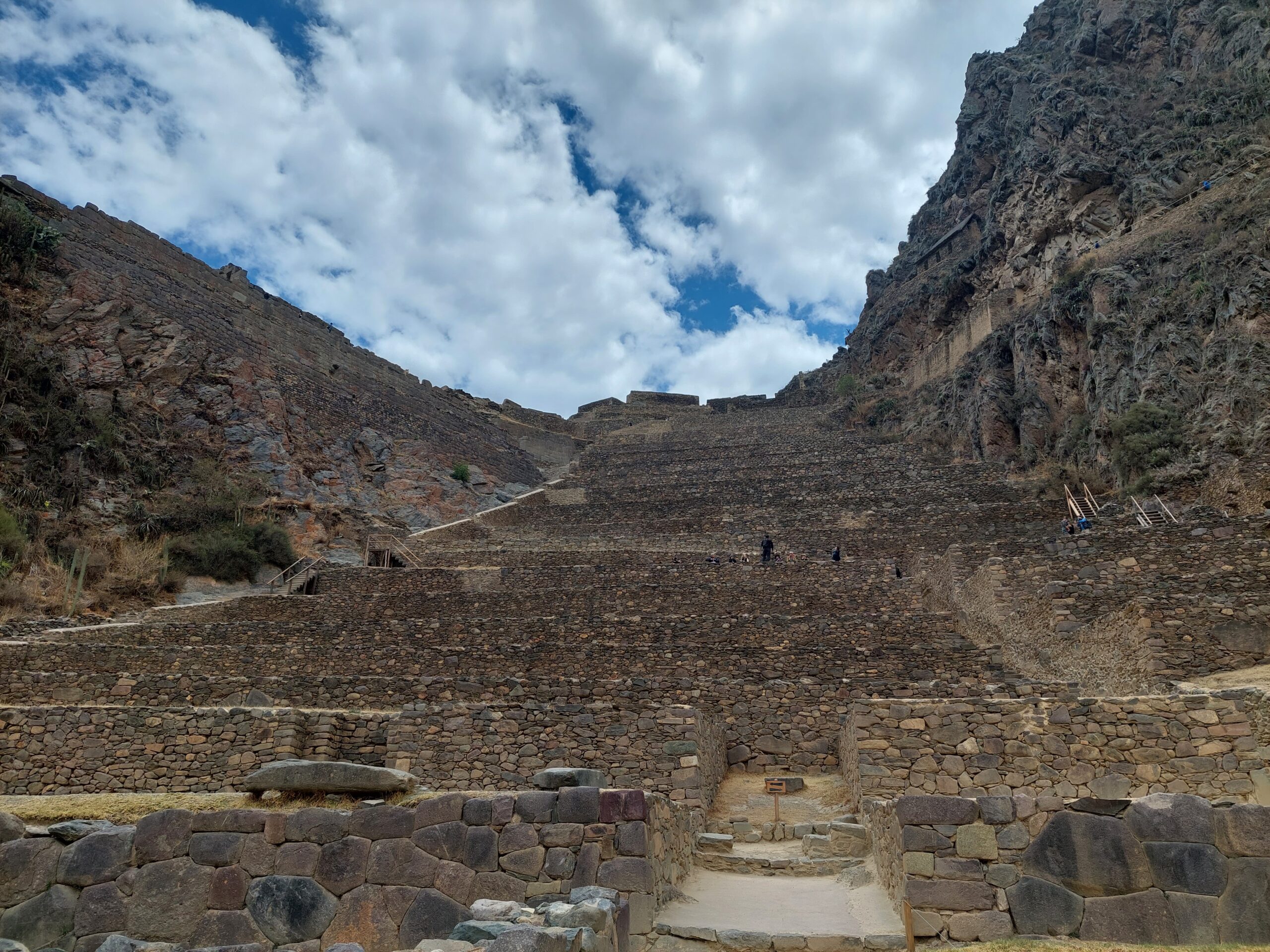
Embark on a captivating journey through the Sacred Valley, a verdant stretch of land cradled between Cusco and Machu Picchu. This picturesque region is dotted with charming Andean villages, ancient ruins, and terraced fields. Explore the impressive fortress of Ollantaytambo, a living testament to Inca military prowess and urban planning. Wander through the vibrant Pisac market, where traditional textiles, handicrafts, and vibrant produce entice the senses. Immerse yourself in the valley’s mystical ambiance and connect with the living heritage of the Incas.
Just outside the city of Cusco lies Sacsayhuamán, a magnificent citadel that showcases the architectural genius of the Incas. Enormous stone blocks fit together with remarkable precision, forming massive walls and imposing terraces. This ancient fortress witnessed historic battles and important religious ceremonies during the Inca Empire’s peak. Climb the terraces to gain a panoramic view of Cusco’s red-tiled roofs and immerse yourself in the mystique of this archaeological wonder, marveling at the engineering prowess of the Inca civilization.
You may also like: Exploring the magic of the Amazon River

In the highlands of the Sacred Valley, a unique archaeological site awaits discovery – the ruins of Moray. Shaped like giant amphitheaters, these terraced depressions served as experimental agricultural centers for the Incas. Each terrace created its own microclimate, allowing the Incas to cultivate a variety of crops at different altitudes. The precision of these terraces and their strategic design showcase the advanced agricultural knowledge possessed by the ancient civilization. Explore the mysterious depths of Moray and ponder the ingenuity behind the Inca’s sustainable farming techniques.
Delve into Peru’s pre-Inca past with a visit to Pachacamac, a revered archaeological complex located near Lima. This sacred site dates back over a thousand years and was once a thriving ceremonial center. Discover ancient pyramids, temples, and the enigmatic “Temple of the Sun,” dedicated to the Inca sun god Inti. Walk in the footsteps of pilgrims and feel the spiritual energy that still permeates this ancient sanctuary. Pachacamac offers a fascinating glimpse into the spiritual beliefs and rituals of the civilizations that predated the Inca Empire.
While Machu Picchu remains an unparalleled marvel and a must-visit destination in Peru, there is a wealth of lesser-known Inca sites that await exploration. From the enigmatic ruins of Choquequirao and the mystical Nazca Lines to the timeless wonder of Kuélap and the architectural marvels of Sacsayhuamán, these sacred sites paint a vivid portrait of the Inca civilization’s grandeur and ingenuity. Embarking on a journey beyond Machu Picchu unveils a rich tapestry of history, spirituality, and natural beauty that will captivate the intrepid traveler.
As you plan your Peru tours, consider venturing off the beaten path to discover these hidden treasures. Immerse yourself in the mysteries of the Inca Empire, connect with the spirituality of ancient rituals, and witness the awe-inspiring landscapes that served as backdrops to these sacred sites. Each step unveils a deeper understanding of the Inca’s profound relationship with the natural world and their remarkable achievements.
So pack your curiosity, embark on an extraordinary adventure, and let the sacred sites of the Incas beyond Machu Picchu transport you to a world where history, spirituality, and natural wonders collide. Prepare to be mesmerized by the secrets that lie hidden in the Peruvian mountains and valleys, and let your journey be an homage to the enduring legacy of the Inca civilization.
Colourful Peru invites you to experience our country. We are committed to offer you the best options so you can live a Colourful journey. If you want to know more about our suggested journeys, do not hesitate to get in touch with us.
Peru, a captivating tapestry of ancient civilizations, vibrant landscapes, and rich cultural heritage, offers a treasure trove of unique festivals and traditions. As one of South America’s most captivating destinations, Peru beckons travelers with its diverse and colourful celebrations that pay homage to its fascinating history and indigenous roots. From the awe-inspiring ancient ruins of Machu Picchu to the bustling streets of Cusco, each region in Peru has its own distinct festivities, making it a paradise for cultural enthusiasts. In this article, we will embark on a virtual journey to explore the mesmerizing festivals and traditions that define Peru’s vibrant cultural landscape.
Peru, a country nestled on the western coast of South America, entices visitors with its breathtaking landscapes, including the mystical Andes Mountains and the vast Amazon rainforest. Beyond its natural wonders, Peru proudly showcases its diverse cultural heritage through a multitude of vibrant festivals and traditions. These celebrations reflect the fusion of indigenous customs and Spanish influences, resulting in a vibrant tapestry of rituals, dances, music, and gastronomy. Let’s delve into some of the most extraordinary festivals and traditions that attract tourists from around the globe.
You can also read: Exploring the magic of the Amazon River

One of the most revered and captivating festivals in Peru is the Inti Raymi, also known as the Festival of the Sun. With roots tracing back to the Inca Empire, this ancient ceremony takes place annually on June 24th in Cusco, the historical capital of the Inca civilization. Inti Raymi celebrates the Winter Solstice, paying homage to Inti, the Sun God, and offering gratitude for a bountiful harvest.
During the festival, locals and visitors gather at the impressive Sacsayhuamán ruins, where the main rituals and reenactments unfold. Elaborate costumes, colorful processions, and traditional music transport participants back in time, immersing them in the mystical world of the Incas. Witnessing the ceremonial rituals and the powerful energy of this celebration is an awe-inspiring experience that allows visitors to connect with Peru’s ancient past.
Carnaval, a vibrant and exuberant celebration, is a prime example of Peru’s ability to blend indigenous customs with Spanish traditions. This annual festivity, held in February or March, transforms cities and towns across the country into lively carnivals of music, dance, and vivid colors.
In Cajamarca, the Festival of the Devil is a unique highlight of Carnaval, where locals don elaborate masks and costumes resembling demons, angels, and mythical creatures. The vibrant street parades, accompanied by traditional music and dance, create an infectious atmosphere of revelry.
Another notable Carnaval celebration takes place in Puno, where the city is engulfed in a riot of colors during the Virgen de la Candelaria festival. With its roots in pre-Columbian times, this spectacular event showcases the fusion of Catholic and indigenous traditions. The dazzling costumes, intricate dances, and pulsating music captivate spectators and provide an immersive experience of Peru’s cultural diversity.

Photo: César Vallejos / PROMPERÚ
Nestled high in the Andes Mountains near the city of Cusco, the Qoyllur Rit’i festival is a mesmerizing blend of Andean spirituality and Catholic traditions. Celebrated annually in May or June, this unique pilgrimage attracts thousands of devotees from all corners of Peru and beyond.
The festival centers around the sanctuary of Qoyllur Rit’i, situated at an elevation of over 15,000 feet. Pilgrims hike through rugged terrain, carrying large crosses and effigies, as they make their way to the sanctuary. The culmination of the pilgrimage is marked by colorful processions, traditional music, and dance performances.
An enchanting highlight of the festival is the “Dance of the Qhapaq Qolla,” where participants don vibrant costumes, reflecting the diverse Andean cultures. This dance symbolizes the ancient Inca tradition of paying tribute to the Apus (mountain deities) and celebrates the harmony between humans and nature.
You may also like: Unveiling the Mysteries of the Nazca Lines
Cusco, the former capital of the Inca Empire, comes alive during the Corpus Christi festival, celebrated on the ninth Thursday after Easter Sunday. This grand religious event showcases the profound blend of Catholicism and Andean customs, serving as a testament to Peru’s rich cultural tapestry.
The festivities begin with a solemn Mass at the Cusco Cathedral, followed by a grand procession that parades through the streets of the city. Elaborate floats, adorned with religious icons and flowers, are carried by devotees dressed in traditional clothing. The rhythmic sound of traditional music and the aroma of incense fill the air, creating an atmosphere of spiritual reverence.
One of the most striking elements of Corpus Christi is the Qhapaq Ñan, a reenactment of the Inca road system. Participants, dressed in colorful costumes, walk along the ancient stone pathways, symbolizing the historical connection between the Inca Empire and the Catholic faith.
Peru’s unique festivals and traditions provide an immersive and captivating glimpse into the country’s rich cultural heritage. From the majestic Inti Raymi to the joyous Carnaval celebrations, each festival showcases the fusion of ancient customs and contemporary influences. These vibrant cultural experiences offer tourists an opportunity to connect with Peru’s indigenous roots and witness the enduring traditions that have withstood the test of time. So, pack your bags, embark on a Peru tour, and prepare to be enchanted by the allure of Machu Picchu and the colorful tapestry of festivals and traditions that await you in this remarkable South American nation.
Colourful Peru invites you to experience our country. We are committed to offer you the best options so you can live a Colourful journey. If you want to know more about our suggested journeys, do not hesitate to get in touch with us.

Peru, a land of awe-inspiring natural wonders and ancient civilizations, beckons adventurers with its captivating beauty. While the legendary Machu Picchu remains a must-visit destination, there is another enchanting realm that holds the key to unlocking Peru’s true magic—the Amazon River. In this National Geographic-style article, we invite you to join us on an unforgettable journey as we explore the diverse tourist attractions in Peru, leading us to the verdant depths of the Amazon rainforest.

Nestled high in the Andes Mountains, Machu Picchu stands as a testament to the ingenuity and grandeur of the ancient Inca civilization. This archaeological marvel, discovered only a century ago, continues to captivate visitors with its breathtaking panoramic views and intricate stone structures. Peru tours often commence with a visit to this sacred site, where the lost world of the Incas comes to life.
As the sun peeks over the distant mountains, casting its golden rays on Machu Picchu, many intrepid travelers embark on the Inca Trail, a legendary trek leading to the Sun Gate. This vantage point offers a stunning perspective of the citadel, evoking a profound sense of spiritual connection with the past.
Beyond the architectural wonders of Machu Picchu, Peru’s vibrant Andean culture awaits. Indigenous communities welcome visitors with open arms, inviting them to partake in traditional rituals, witness colorful festivals, and even learn ancestral weaving techniques. This cultural immersion allows travelers to gain a deeper understanding of Peru’s rich heritage.
You can also read: Unveiling the Mysteries of the Nazca Lines
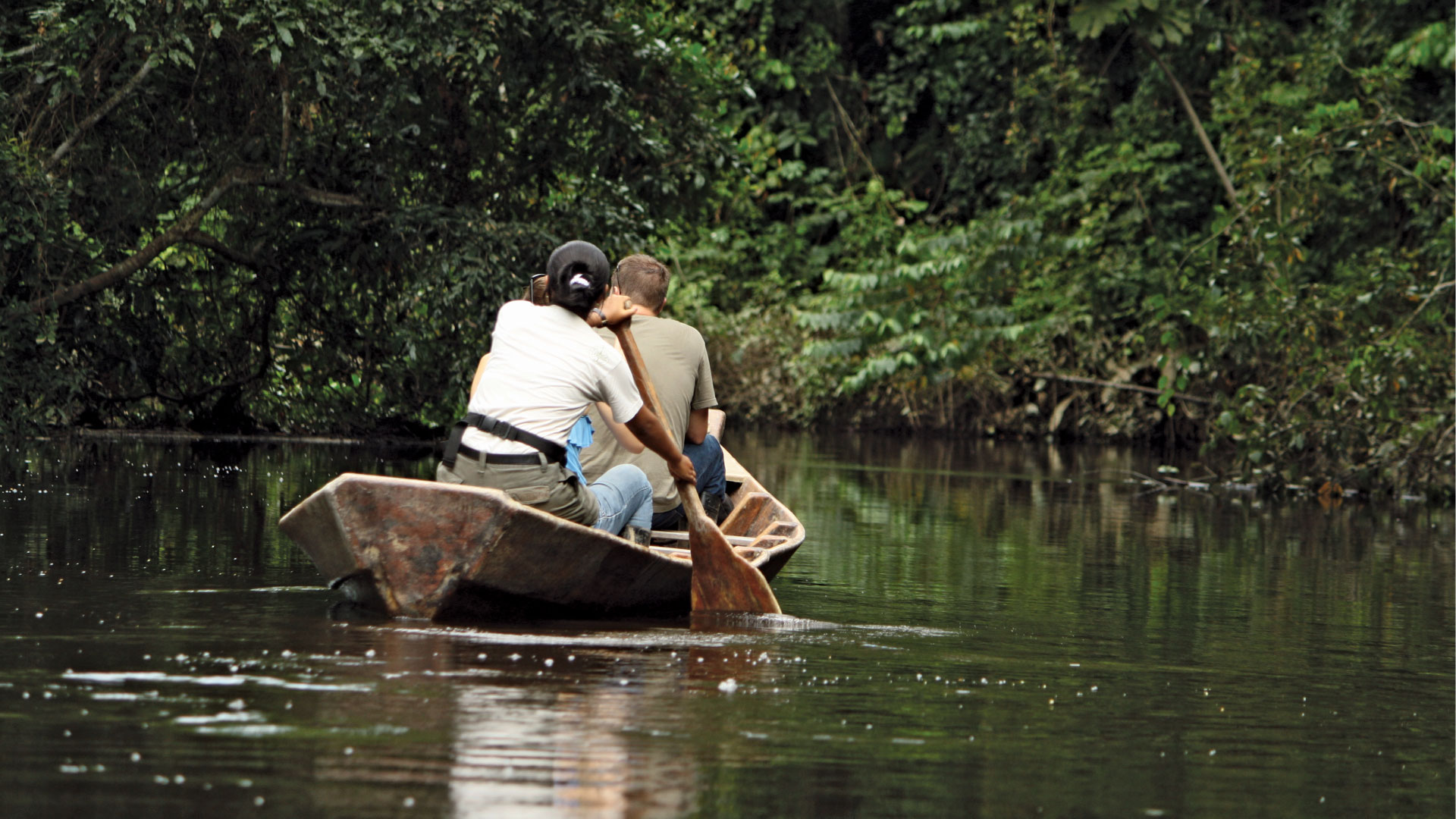
Leaving the majestic peaks of the Andes behind, our expedition now takes us to the heart of the Amazon rainforest. Descending into the lush Amazon Basin, we encounter a world teeming with extraordinary biodiversity, where dense foliage conceals hidden wonders and mysterious creatures.
A journey along the Amazon River offers a unique perspective on this vast ecosystem. Luxurious river cruises allow travelers to navigate through its winding channels, stopping at remote villages and witnessing the astonishing variety of flora and fauna that thrive along the riverbanks. From vibrant parrots to playful river dolphins, the Amazon’s wildlife is a spectacle to behold.
Deep within the Amazon lies the Pacaya-Samiria National Reserve, a haven for nature enthusiasts. Kayak through tranquil blackwater lagoons, hike amidst towering trees, and encounter exotic species such as sloths, anacondas, and macaws. With expert guides leading the way, visitors gain insights into the delicate balance of this fragile ecosystem and the conservation efforts in place to protect it.
The Amazon rainforest is not only a biodiverse wonderland but also home to diverse indigenous communities. Journeying deeper into the jungle, visitors have the opportunity to engage with tribes such as the Shipibo-Conibo or the Ashaninka, learning about their traditional practices, medicinal plants, and intricate craftsmanship. These encounters foster cultural understanding and promote sustainable tourism that benefits local communities.
For those seeking a transformative experience, the Amazon rainforest offers the opportunity to participate in Ayahuasca ceremonies. Ayahuasca, a sacred plant medicine used by indigenous communities for centuries, is believed to provide spiritual insights, healing, and personal growth. Under the guidance of experienced shamans, visitors can embark on a profound inner journey, connecting with the spirit of the jungle and gaining a deeper understanding of themselves and the world around them.
As we venture into the heart of the Amazon, it is crucial to acknowledge the importance of sustainable tourism. Many tour operators in Peru are committed to preserving the rainforest and its indigenous cultures. They work closely with local communities, ensuring that tourism benefits them directly, while also implementing responsible practices that minimize environmental impact. By supporting these initiatives, visitors can contribute to the conservation of this extraordinary ecosystem for future generations.
You may also like: Exploring the Amazon Rainforest
From the awe-inspiring ruins of Machu Picchu to the pristine wilderness of the Amazon rainforest, Peru offers a captivating blend of natural and cultural wonders. Exploring the tourist attractions in Peru allows travelers to embark on an unforgettable journey, connecting with the ancient past and the vibrant present. Whether standing in awe at the Sun Gate, cruising along the mighty Amazon River, or engaging with indigenous tribes, each step taken on this adventure reveals the magic that permeates Peru’s diverse landscapes.
As you plan your expedition, remember to choose reputable Peru tour operators who prioritize sustainability and respect for the local communities and environments. By embracing the spirit of responsible travel, we can ensure that Peru’s natural and cultural treasures continue to thrive for generations to come. So, pack your bags, unleash your inner explorer, and let the enchantment of the Amazon River and the allure of Machu Picchu guide you on an extraordinary odyssey through Peru’s captivating beauty.
Colourful Peru invites you to experience our country. We are committed to offer you the best options so you can live a Colourful journey. If you want to know more about our suggested journeys, do not hesitate to get in touch with us.

Peru, a country known for its rich cultural heritage and breathtaking landscapes, offers a treasure trove of archaeological wonders. While Machu Picchu remains the crown jewel, there is another enigmatic attraction that has captured the imagination of travelers and researchers alike—the Nazca Lines. These colossal geoglyphs etched into the arid desert plains of southern Peru continue to baffle experts, leaving behind a legacy of mysteries waiting to be unraveled. In this article, we delve into the secrets of the Nazca Lines, exploring their origins, significance, and the fascination they hold for visitors on Peru tours.

The Nazca Lines, located in the Nazca Desert, cover an expansive area of nearly 500 square kilometers. These geoglyphs, created by removing the reddish-brown iron oxide-coated pebbles that cover the desert surface, reveal the lighter-colored ground beneath. The lines were meticulously crafted by the ancient Nazca civilization between 500 BC and 500 AD, and their purpose remains a subject of intense debate.
You can also read: Exploring the Amazon Rainforest
One prevailing theory suggests that the Nazca Lines served as an astronomical calendar, aligning with the positions of the stars and celestial bodies. This hypothesis is supported by the alignment of certain geoglyphs with solstices and equinoxes, suggesting an ancient astronomical knowledge.
Another widely accepted theory is that the lines were used for ceremonial and ritualistic purposes. The ancient Nazca people may have utilized the geoglyphs as a way to communicate with their deities, seeking favorable conditions for agriculture and rainfall.
One of the most iconic figures is the hummingbird, with its wings outstretched in flight. This geoglyph is a testament to the Nazca people’s reverence for nature and their keen observation of the surrounding wildlife.

The spider, another remarkable figure, spans an impressive 46 meters in length. Its design showcases the intricate craftsmanship of the Nazca civilization, leaving modern-day visitors in awe of their artistic skills.
Perhaps the most enigmatic figure among the Nazca Lines is the astronaut. Depicted as a humanoid figure with arms outstretched, it has sparked numerous theories about extraterrestrial contact and ancient civilizations’ connections with beings from other worlds.
The preservation of the Nazca Lines is one of the remarkable aspects that continues to captivate visitors. Despite being exposed to harsh desert conditions for centuries, the lines remain largely intact. The arid climate, with its minimal rainfall and wind erosion, has played a vital role in safeguarding these ancient geoglyphs.
To fully appreciate the scale and intricate details of the Nazca Lines, many visitors opt for overflight excursions. Small aircraft provide an aerial perspective, allowing tourists to witness the grandeur of the geoglyphs from above.
For those who prefer to keep their feet on the ground, viewing towers have been erected strategically along the desert edges. These structures offer panoramic views, enabling visitors to marvel at the vastness of the Nazca Lines.
You may also like: Paracas National Reserve: Exploring Peru’s Coastal Desert
Recognizing the importance of the Nazca Lines, UNESCO declared them a World Heritage Site in 1994. This designation aims to protect and preserve these ancient geoglyphs for future generations. Preservation efforts focus on limiting human impact, preventing vandalism, and ensuring the fragile desert ecosystem surrounding the lines remains intact.
The increasing popularity of the Nazca Lines as a tourist attraction presents challenges in maintaining a delicate balance between visitor access and conservation. Strict regulations and monitoring systems are in place to manage the flow of tourists and prevent damage to the geoglyphs.
The Nazca Lines stand as an enduring testament to the ingenuity and creativity of the ancient Nazca civilization. These colossal geoglyphs, etched into the desert plains of Peru, continue to mystify researchers and capture the imagination of visitors on Peru tours. While their purpose remains shrouded in mystery, the Nazca Lines offer a glimpse into the rich cultural heritage of Peru and its ancient civilizations. As efforts continue to preserve and protect this remarkable site, travelers from around the world can embark on a journey to unravel the enigmatic secrets of the Nazca Lines, a true marvel of human achievement.
Colourful Peru invites you to experience our country. We are committed to offer you the best options so you can live a Colourful journey. If you want to know more about our suggested journeys, do not hesitate to get in touch with us.

Peru, a land of breathtaking landscapes and ancient civilizations, offers a diverse range of tourist attractions. From the majestic ruins of Machu Picchu to the lush wonders of the Amazon rainforest, Peru is a paradise for adventure seekers and nature enthusiasts. In this article, we will take you on a virtual journey through the captivating wonders of the Amazon rainforest in Peru, showcasing its incredible biodiversity and highlighting the must-visit destinations for an unforgettable wildlife adventure.

The Amazon rainforest is the largest tropical rainforest in the world, covering approximately 60% of Peru’s territory. It is a place of astounding beauty and ecological significance, home to an unparalleled array of plant and animal species. The sheer size and diversity of the Amazon make it a truly captivating destination for nature lovers.
The Amazon rainforest is recognized as one of the most biodiverse regions on the planet. It houses a staggering number of plant and animal species, many of which are endemic and found nowhere else on Earth. From vibrant macaws and elusive jaguars to ancient trees and medicinal plants, the Amazon is a treasure trove of natural wonders waiting to be discovered.
Peru has embraced ecotourism as a means to protect the fragile ecosystems of the Amazon rainforest. Numerous eco-lodges and sustainable tour operators provide visitors with the opportunity to explore the rainforest while minimizing their impact on the environment. By supporting responsible tourism practices, visitors can contribute to the conservation efforts and the well-being of local communities.
You can also read: Paracas National Reserve

Iquitos, located in northeastern Peru, is the largest city in the world inaccessible by road. It serves as the main gateway to the Peruvian Amazon, offering a unique blend of urban amenities and natural wonders. Visitors can explore the vibrant Belén Market, visit the Manatee Rescue Center, or learn about the rubber boom era at the Historic Iron House.
From Iquitos, travelers can embark on an unforgettable river cruise, immersing themselves in the heart of the Amazon rainforest. These cruises take visitors deep into the jungle, allowing them to experience the rich biodiversity and cultural heritage of the region. Cruises often include activities such as wildlife spotting, visiting indigenous communities, and exploring remote tributaries.
The Amazon rainforest is teeming with wildlife, and Iquitos provides excellent opportunities for spotting iconic species. Visitors may encounter pink river dolphins, giant river otters, sloths, monkeys, and an astonishing variety of bird species. Guided excursions offer a chance to explore the forest trails and waterways, increasing the chances of encountering these magnificent creatures.
Pacaya Samiria National Reserve is one of the largest protected areas in Peru and a true wilderness paradise. With its vast wetlands, dense forests, and winding waterways, this reserve offers visitors a chance to immerse themselves in untouched nature. The pristine landscapes and serene atmosphere make it a perfect destination for wildlife enthusiasts.
Pacaya Samiria is renowned for its incredible biodiversity. The reserve is home to thousands of plant species, including towering trees, orchids, and unique aquatic plants. Wildlife enthusiasts can spot a plethora of animals, including pink dolphins, black caimans, giant river otters, jaguars, monkeys, and countless bird species. Exploring the reserve’s intricate network of waterways and forest trails provides ample opportunities for close encounters with these remarkable creatures.
Pacaya Samiria offers a range of activities for visitors to engage with its natural wonders. Guided boat excursions allow you to navigate the winding rivers and lagoons, providing opportunities for wildlife spotting and birdwatching. Nighttime excursions reveal a different side of the rainforest, where you may encounter nocturnal creatures such as caimans and owls. Additionally, you can embark on jungle hikes to explore the diverse flora and learn about the medicinal plants used by indigenous communities.
You may also like: 5 tips to explore the majestic Colca Canyon

Tambopata National Reserve, located in southeastern Peru, is a hidden gem known for its incredible biodiversity and pristine landscapes. It is home to a remarkable array of wildlife and offers a unique opportunity for wildlife photography enthusiasts to capture stunning shots in a natural setting.
Tambopata is a paradise for birdwatchers, with over 600 bird species recorded within the reserve. Vibrant macaws, toucans, hummingbirds, and countless other bird species can be spotted here. Witnessing the colourful displays and listening to the melodic calls of these feathered inhabitants is an unforgettable experience for nature enthusiasts.
One of the most incredible sights in Tambopata is the clay licks, where hundreds of macaws and parrots gather to feed on the mineral-rich clay. This spectacle of colour and sound is a photographer’s dream, as the vibrant birds create a stunning contrast against the lush green backdrop of the rainforest. Witnessing the macaws’ synchronized flight and hearing their raucous calls is an awe-inspiring experience.
Manu National Park, a UNESCO World Heritage Site, is a vast wilderness area that spans from the Andean highlands to the lowland rainforests. It is one of the most biodiverse places on Earth, boasting a stunning variety of ecosystems and an abundance of wildlife.
Manu National Park is known for its population of iconic and rare species, including the elusive jaguar, giant river otter, tapir, and harpy eagle. Exploring the park’s trails and waterways offers a chance to spot these elusive creatures and appreciate their natural habitats.
Manu National Park is also home to indigenous communities that have lived in harmony with the rainforest for generations. Engaging with these communities provides an opportunity to learn about their rich cultural heritage, traditional knowledge of the rainforest, and sustainable practices. Visitors can participate in activities such as craft demonstrations, cultural performances, and even stay in community-run eco-lodges.
Responsible tourism is crucial for the preservation of the Amazon rainforest. Visitors should choose tour operators and accommodations that prioritize sustainable practices, minimize their ecological footprint, and support local communities. This includes adhering to regulations regarding waste management, respecting wildlife and their habitats, and supporting initiatives that contribute to the conservation of the rainforest.
Many communities in the Amazon rainforest have embraced ecotourism as a means of sustainable development. By supporting community-based initiatives, travelers can directly contribute to the economic empowerment of local communities. These initiatives often offer unique cultural experiences, guided tours, and accommodations in eco-lodges run by the communities themselves.
Numerous conservation organizations are actively involved in preserving the Amazon rainforest and its biodiversity. Travelers can support these organizations through donations or by participating in volunteer programs that contribute to research, reforestation efforts, and community education. By supporting these initiatives, travelers can make a tangible impact on the long-term conservation of the Amazon rainforest.
Embarking on a wildlife adventure in the Amazon rainforest of Peru is an experience like no other. From the vibrant city of Iquitos to the untamed wilderness of national reserves like Pacaya Samiria, Tambopata and Manu, every step unveils the remarkable diversity and beauty of the region. Through responsible tourism, we can contribute to the preservation of this unique ecosystem and support local communities. So, gear up for an unforgettable journey, delve into the heart of the Amazon, and witness the wonders of nature that make Peru a top destination for wildlife enthusiasts and nature lovers worldwide.
Colourful Peru invites you to experience our country. We are committed to offer you the best options so you can live a Colourful journey. If you want to know more about our suggested journeys, do not hesitate to get in touch with us.

Peru is a country rich in culture, history and natural beauty. If you’re planning to travel to Peru or are considering Peru vacations, Paracas National Reserve is a must-visit destination. Located in the Ica region, this reserve is an oasis in the desert, a place where nature and wildlife coexist in perfect harmony. In this article, we’ll explore the beauty and significance of Paracas National Reserve and what makes it an essential destination for travelers to Peru.

Photo: Janine Costa / PROMPERÚ
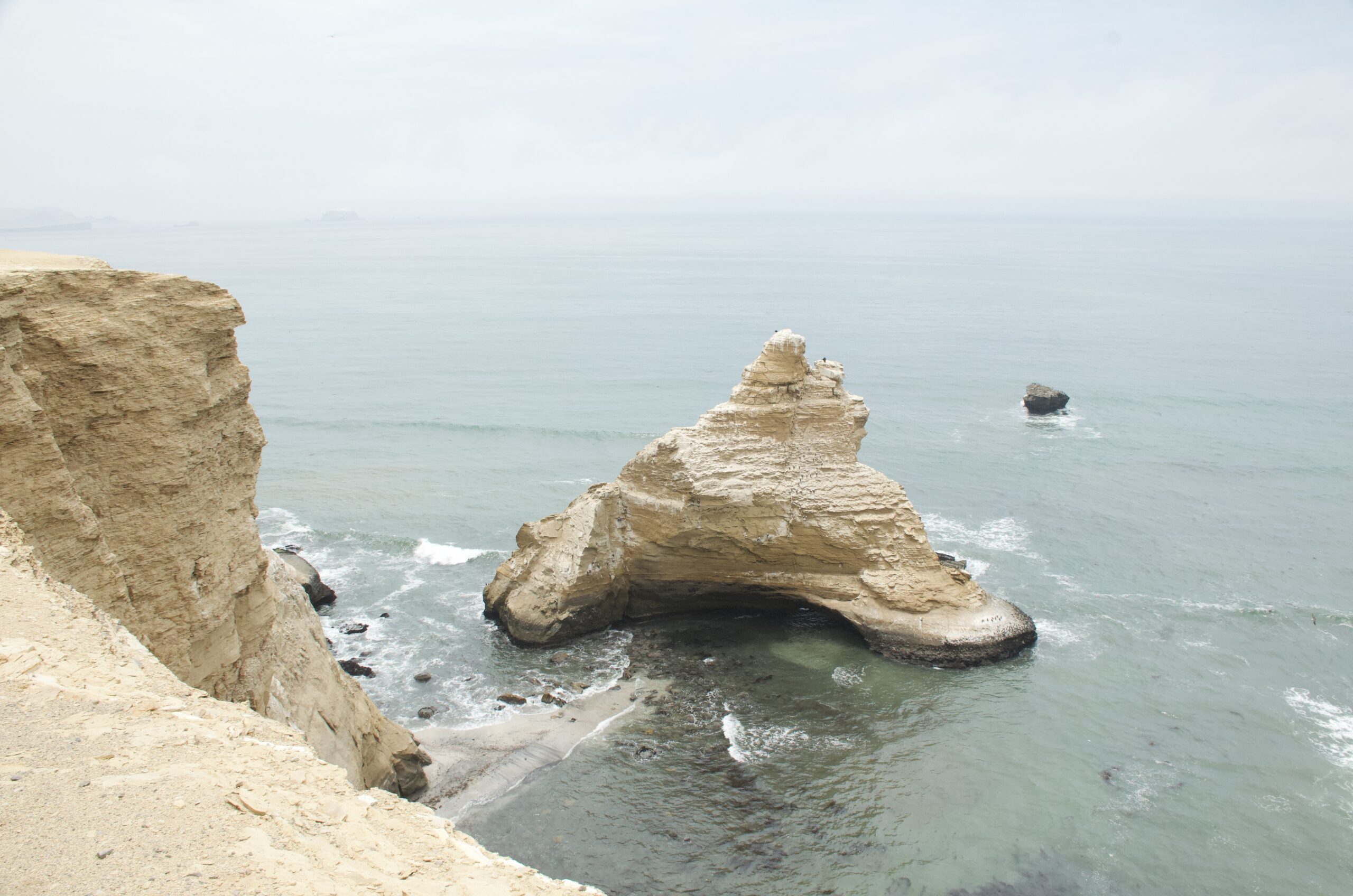
Paracas National Reserve is situated on the southern coast of Peru, in the Ica region. The reserve is known for its unique desert landscape, which is characterized by sand dunes, rocky cliffs, and a barren coastline. The reserve covers an area of 335,000 hectares, making it one of the largest protected areas in Peru.
Visitors to Paracas National Reserve will embark on a journey through the desert, encountering diverse landscapes, wildlife and ecosystems. The reserve is home to an array of species, including flocks of flamingos, colonies of sea lions, and many bird species. Visitors will also have the chance to witness the stunning desert landscapes and learn about the unique geology and ecology of the region.
You can also read: 5 tips to explore the majestic Colca Canyon
One of the most exciting parts of visiting Paracas National Reserve is the opportunity to observe marine wildlife. The reserve is home to many species of sea lions and seals, which can be seen lazing on the rocks or swimming in the waters. Visitors can take a boat tour to get up close and personal with these fascinating creatures, observing their behavior and learning about their lives.
Paracas National Reserve is also a birdwatcher’s paradise, with more than 250 species of birds recorded in the area. The most famous bird species in the reserve is the Chilean flamingo, which is known for its distinctive pink plumage. Visitors can take a guided bird-watching tour to see the flamingos and other bird species in their natural habitat.

Photo: Janine Costa / PROMPERÚ
Paracas National Reserve is not just a beautiful place; it also has a rich cultural and historical significance. The region has been inhabited for over 2,000 years, and visitors can explore the remains of the Paracas culture, which was one of the most advanced civilizations in South America. The Paracas culture was known for its textiles, pottery, and advanced astronomical knowledge, and its legacy can still be seen today in the form of the famous Paracas textiles, which are on display in museums around the world.
Visitors can also explore the Ballestas Islands, which are located just off the coast of Paracas National Reserve. The islands are home to many species of wildlife and are a popular spot for tourists to visit. However, the islands are also significant from a cultural and historical perspective, as they contain many petroglyphs and carvings that date back thousands of years.
You may also like: A tour of Machu Picchu, Lake Titicaca and Arequipa
Paracas National Reserve is not just a place to admire the beauty of nature, but also a place to get active and engage in outdoor activities. Visitors can go sandboarding, horseback riding, and hiking in the desert, which provides a unique and exciting experience. For those looking for a more relaxed experience, there are also many beautiful beaches where visitors can enjoy sunbathing and swimming.
Paracas National Reserve is a truly unique destination, offering visitors a journey through the coastal desert, the chance to observe marine wildlife and bird species, and the opportunity to explore the rich cultural and historical significance of the region. Whether you’re a nature lover, an adventurer, or a history buff, Paracas National Reserve is a must-visit destination on any Peru vacation. With its stunning landscapes, diverse wildlife, and rich cultural heritage, Paracas is sure to leave a lasting impression on visitors. So, pack your bags, grab your sunscreen, and get ready to embark on an unforgettable journey through one of Peru’s most magnificent destinations.
Colourful Peru invites you to experience our country. We are committed to offer you the best options so you can live a Colourful journey. If you want to know more about our suggested journeys, do not hesitate to get in touch with us.
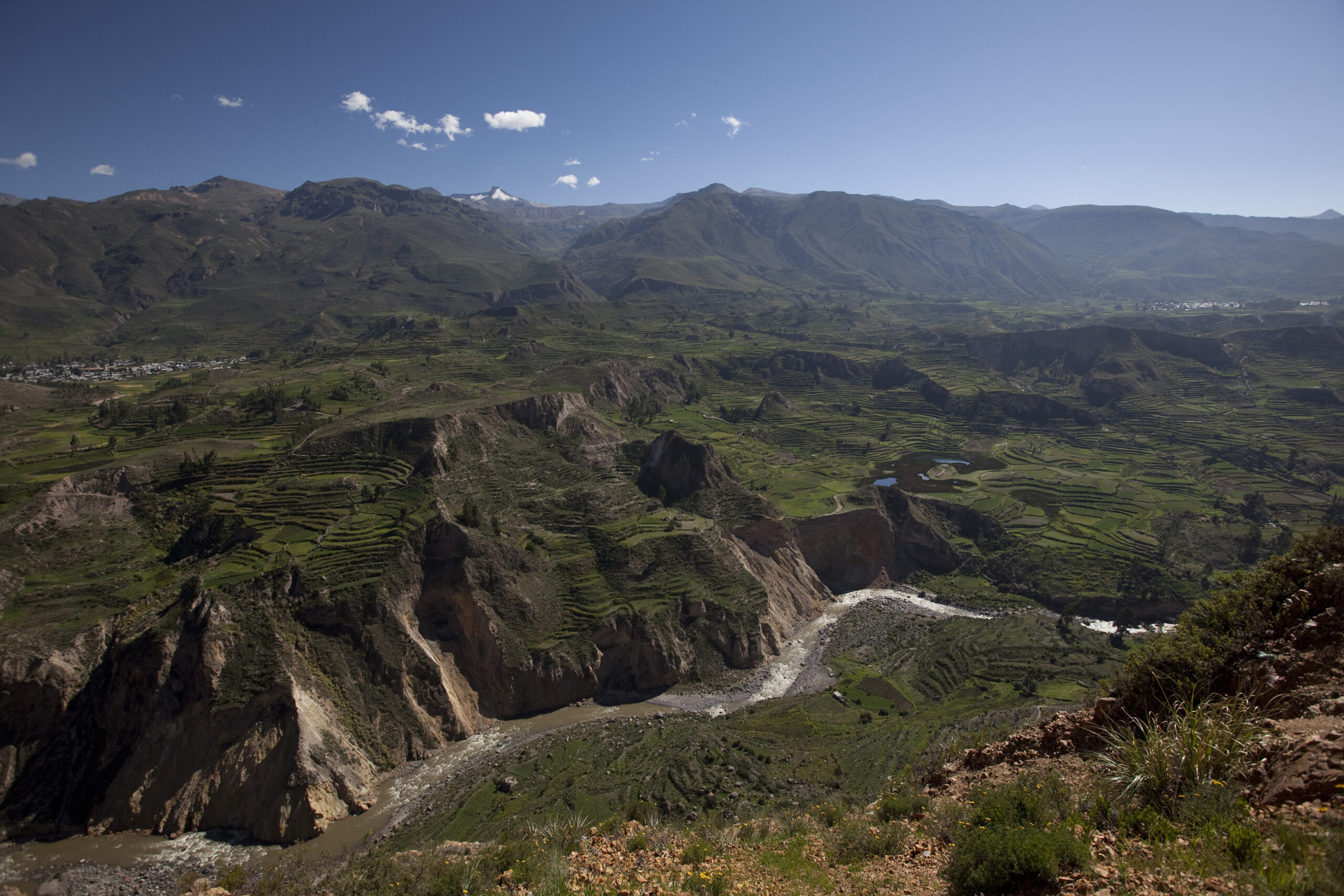
Travel to Peru is a journey through diverse landscapes, rich cultural heritage and a celebration of the ancient civilizations. But what sets this South American nation apart from the rest of the world is the Colca Canyon. This magnificent natural wonder is located in the Arequipa region, near the Pacific coast and is considered one of the deepest canyons in the world.
Located just a short distance from Arequipa, the Colca Canyon is easily accessible as part of any Peru vacations. Whether you are an experienced hiker or a nature lover, the Colca Canyon offers a variety of trails, views and experiences to suit every traveler. To make the most of your trip, it is recommended to plan in advance and book your tours and accommodation early.
You can also read: A tour of Machu Picchu, Lake Titicaca and Arequipa

The Colca Canyon can be visited throughout the year, but the best time to go is from April to October when the weather is dry and sunny. The rainy season is from November to March, making the trails slippery and difficult to navigate. However, if you prefer to see the lush greenery of the region, this may be the time for you to visit.
There are several ways to reach the Colca Canyon, but the most popular option is to fly into the nearest airport in Arequipa and take a bus or tour to the canyon. Another option is to take a scenic drive from Puno, where you can stop along the way to visit the famous Sillustani tombs.

Photo: Renzo Tasso / PROMPERÚ
The Colca Canyon offers a range of trekking options, from easy day hikes to multi-day expeditions. The most popular trail is the two-day trek, which covers a distance of approximately 20 km and takes you through some of the most breathtaking scenery in the region. The trail starts at the canyon rim and winds its way down to the bottom of the canyon, where you will find a picturesque village and a stunning hot springs.
During your hike, you will be surrounded by stunning views of the canyon, towering cliffs and an array of flora and fauna. You will also have the opportunity to spot the famous Andean Condor, which is one of the largest birds of prey in the world and can be seen soaring above the canyon.
You may also like: Cruising the Ballestas Islands
There are several accommodation options in the Colca Canyon, ranging from basic camping sites to luxury lodges. For those looking for a more authentic experience, it is recommended to stay in one of the traditional villages located at the bottom of the canyon. These villages offer simple accommodation, delicious local cuisine and the opportunity to interact with the friendly locals.
The Colca Canyon is a must-do during your Peru vacations, offering a unique combination of natural beauty and cultural heritage. Whether you are an experienced hiker or simply a nature lover, this magnificent canyon is sure to leave a lasting impression on you. So pack your bags, book your tour and get ready to explore the heart of Peru.
Colourful Peru invites you to experience our country. We are committed to offer you the best options so you can live a Colourful journey. If you want to know more about our suggested journeys, do not hesitate to get in touch with us.
Peru, a country rich in history and culture, is a must-visit for travelers seeking a unique and exciting vacation. From its stunning landscapes and incredible archaeological sites, to its diverse cuisine and vibrant cities, there is something for everyone in Peru. In this article, we’ll be taking a tour of some of the country’s most famous destinations: Machu Picchu, Lake Titicaca and Arequipa.

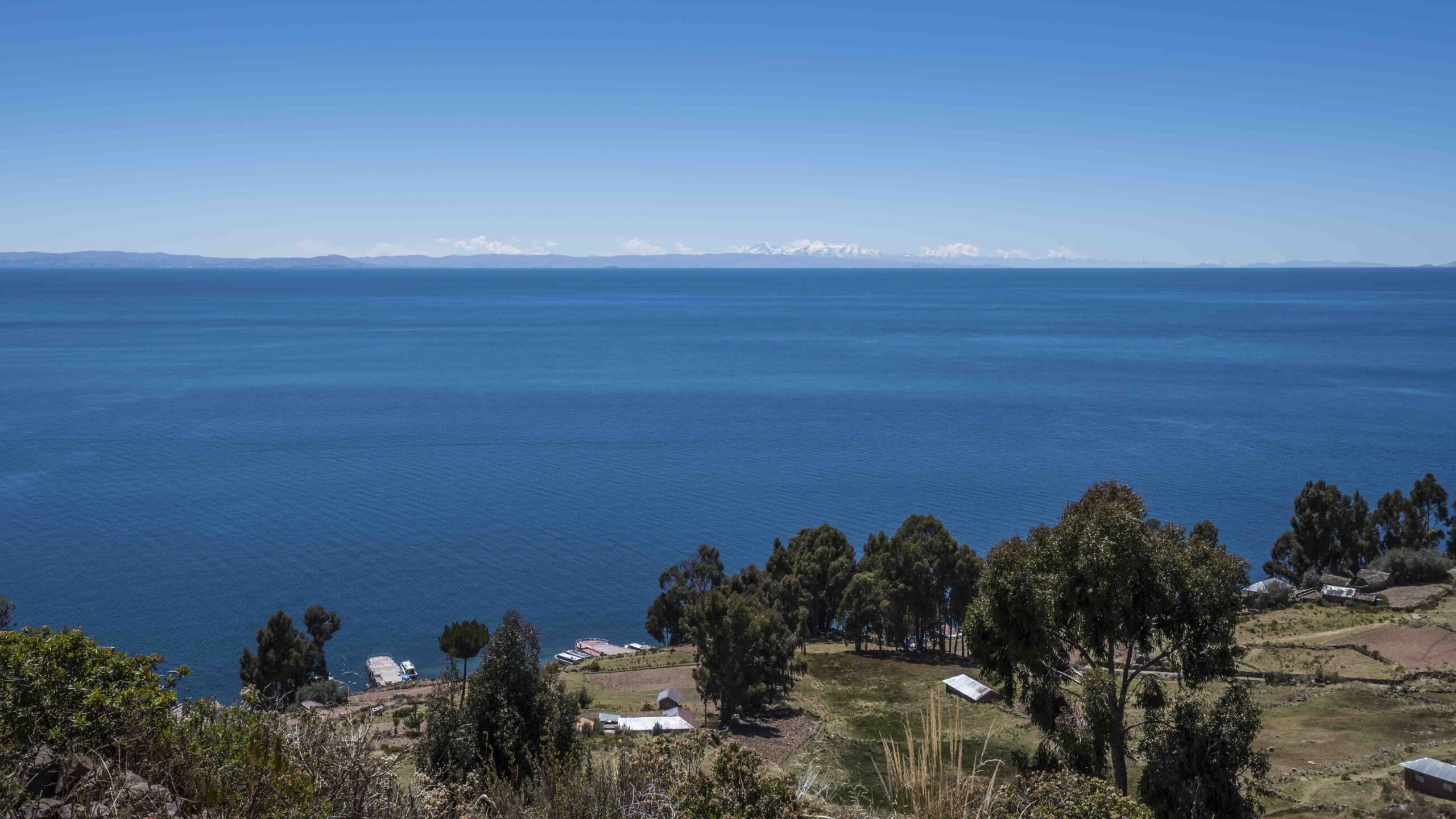
Nestled in the Andes Mountains, Lake Titicaca is the largest freshwater lake in South America and is considered one of the world’s most beautiful bodies of water. This stunning destination is the perfect place to start your Peru vacation. With crystal-clear waters and stunning views of the surrounding mountains, it is easy to see why this region is so popular with tourists.
One of the best ways to explore Lake Titicaca is by taking a scenic boat tour. These tours typically include stops at various islands, where you can learn about the history and culture of the indigenous people who live there. The floating islands of Uros are one of the most popular destinations on Lake Titicaca. These man-made islands are constructed entirely from reeds and are home to a fascinating indigenous community who still live a traditional lifestyle.
Another must-visit destination on Lake Titicaca is the island of Taquile, which is famous for its weaving and textiles. Visitors can see how these beautiful crafts are made and learn about the traditional techniques that have been passed down for generations.
You can also read: Cruising Ballestas Islands
One of the most famous destinations in Peru, Machu Picchu is a UNESCO World Heritage site and a true wonder of the world. This ancient city was built by the Inca people and is located high in the Andes Mountains. Visitors can explore the ruins and learn about the history and culture of this incredible civilization.
The best way to reach Machu Picchu is by taking the train from the nearby town of Cusco. From there, you’ll be able to hike or take a bus up to the site, where you can spend a full day exploring the ruins and taking in the stunning views of the surrounding mountains.

The city of Arequipa is the second largest city in Peru and is considered one of the most beautiful cities in the country. With its stunning colonial architecture and lively streets, it is easy to see why so many tourists choose to include Arequipa on their Peru vacation.
One of the best things to do in Arequipa is to explore the historic city center, which is home to many of the city’s most famous landmarks, including the Santa Catalina Monastery and the Basilica of Our Lady of the Rosary. Visitors can also visit the Arequipa Regional Museum, which is dedicated to showcasing the history and culture of the city and the surrounding region.
You may also like: Exploring Choquequirao
Whether you’re interested in exploring the stunning landscapes of Lake Titicaca, learning about the history of the Inca civilization at Machu Picchu, or discovering the beauty of the colonial city of Arequipa, a Peru vacation has something for everyone. With its rich history, incredible sights, and diverse culture, Peru is a must-visit for any traveler. So why not start planning your Peru vacation today and discover the beauty of this incredible country for yourself!
Colourful Peru invites you to experience our country. We are committed to offer you the best options so you can live a Colourful journey. If you want to know more about our suggested journeys, do not hesitate to get in touch with us.
Peru is a country of incredible natural beauty, rich cultural heritage, and abundant history. If you are looking for a vacation filled with adventure, stunning scenery, and unforgettable experiences, Peru is the perfect destination. From the bustling streets of Lima to the ancient ruins of Machu Picchu, there is no shortage of things to do and see in this fascinating country. One of the most popular destinations for travelers visiting Peru is the Paracas National Reserve, located on the southern coast of the country. Here, you can take a boat tour to the Ballestas Islands, also known as “Peru’s Galapagos”.

The Ballestas Islands are a group of small, rocky islands located off the coast of Paracas, Peru. They are home to a diverse range of wildlife, including sea lions, penguins, dolphins, and hundreds of bird species. The islands are considered to be one of the richest marine reserves in the world and are often compared to the Galapagos Islands due to the abundance of wildlife that can be found here.
You can also read: Exploring Choquequirao
There are many reasons why visitors should consider taking a trip to the Ballestas Islands. Firstly, the natural beauty of the islands is simply stunning. The cliffs and rock formations, combined with the crystal-clear waters, make for a breathtakingly scenic experience. Secondly, the islands are home to an incredible variety of wildlife, making them an ideal destination for nature lovers and bird-watchers. Finally, visiting the Ballestas Islands is an excellent opportunity to learn more about the history of the Paracas people, who lived in this area for thousands of years before the arrival of the Spanish.

The best way to visit the Ballestas Islands is by taking a boat tour from the port of Paracas. These tours typically last around two hours and offer a close-up look at the islands and their inhabitants. When planning your trip, it is important to book your tour in advance to ensure that you get a spot on the boat.
You may also like: 4 FAQ about Boleto Turístico in Cusco
When visiting the Ballestas Islands, there are a few things to keep in mind to make the most of your experience. Firstly, it is important to dress appropriately for the weather and bring plenty of sunscreen, as the sun can be intense, especially during the summer months. Secondly, be sure to bring a camera or binoculars to capture the stunning scenery and wildlife. Finally, it is always a good idea to bring a hat, sunglasses, and plenty of water to stay hydrated during the tour.
Cruising the Ballestas Islands is a must-do activity for anyone visiting Peru. The stunning natural beauty, abundance of wildlife, and rich cultural history of this region make it a truly unforgettable destination. So, whether you are a nature lover, a history buff, or simply looking for a unique and exciting travel experience, be sure to include the Ballestas Islands on your itinerary when you plan your Peru vacation.
Colourful Peru invites you to experience our country. We are committed to offer you the best options so you can live a Colourful journey. If you want to know more about our suggested journeys, do not hesitate to get in touch with us.

When planning a vacation to Peru, many travelers immediately think of the iconic Machu Picchu. However, there is another ancient Inca site that offers just as much history and stunning views: Choquequirao. Located in the Andes mountains, Choquequirao is often referred to as the “sister city” of Machu Picchu and is just as worthy of a visit. Here is a guide to help you plan your journey to Choquequirao.

Photo: Fernando López / PROMPERÚ
The first step in planning your trip to Choquequirao is figuring out how to get there. Unfortunately, there is no direct public transportation to the site and it can only be reached by foot or by horseback. The trek to Choquequirao can be challenging, as it involves crossing a mountain pass and descending into a deep canyon, but the rewards are well worth the effort.
You can also read: 4 FAQ about Boleto Turístico in Cusco
The most popular way to reach Choquequirao is to take the four-day trek from Cachora, a small village located about 31 miles (50 km) from the site. The trek passes through picturesque Andean villages and offers breathtaking views of the surrounding mountains. There are several tour operators that offer guided trekking tours to Choquequirao, which can be a great option for those who are not experienced hikers.
Another option for reaching Choquequirao is to take a horseback ride from Cachora. This is a more comfortable option, but it does not offer the same level of immersion in the local culture and natural beauty as the trek.
Once you have reached Choquequirao, the most popular option is to camp at the site, which allows you to fully experience the beauty of the location and is also the most affordable option. There are also a few basic lodges on the way, which offer basic amenities such as hot showers and meals.

Photo: Fernando López / PROMPERÚ
Choquequirao is an impressive ancient Inca site that offers a glimpse into the culture and history of the Incas. The site is spread out over a large area and includes several terraces, temples, and plazas. The main attraction of the site is the Temple of the Sun, which offers stunning views of the surrounding mountains.
In addition to exploring the ancient ruins, there are also several other activities to do in the area. Visitors can go bird-watching, as the area is home to a wide variety of bird species, or take a dip in the nearby hot springs. There are also several hiking trails that lead to nearby waterfalls and other natural attractions.
You may also like: 9 luxury hotels in Cusco
Choquequirao is a hidden gem in Peru that offers a unique and off-the-beaten-path experience for travelers. The trek to the site can be challenging, but the stunning views and rich history make it well worth the effort. With proper planning and preparation, your journey to Choquequirao will be a truly unforgettable experience. Whether you are a seasoned hiker or prefer a more leisurely horseback ride, there is something for everyone at this ancient Inca site. So, if you’re looking for a unique and authentic Peru vacation experience, be sure to add Choquequirao to your itinerary and discover the lost city of the Incas.
Colourful Peru invites you to experience our country. We are committed to offer you the best options so you can live a Colourful journey. If you want to know more about our suggested journeys, do not hesitate to get in touch with us.

Our team will be contacting you as soon as possible.
