When planning a trip to Peru, many travelers focus on the famous Inca citadel of Machu Picchu. However, the city of Cusco, located in the southern Andes, offers just as much to see and do. One of the best ways to experience all that Cusco has to offer is by purchasing a Boleto Turístico, or tourist ticket.
The Boleto Turístico is a pass that grants access to a wide variety of archaeological sites, museums, and other cultural attractions throughout the Cusco region. It is valid for 10 consecutive days and can be purchased at any of the participating sites. The cost of the ticket varies depending on the number of sites you wish to visit, with options for one, two, or all 16 included sites.
You can also read: 9 luxury hotels in Cusco

Some of the most notable sites included in the Boleto Turístico is the Inca fortress of Sacsayhuaman. Sacsayhuaman is an impressive fortress that sits high above the city and offers panoramic views of Cusco.
Other sites included in the Boleto Turístico in Cusco are the Inca ruins of Kenko, Puca Pucara, and Tambomachay, which are located just outside of Cusco and offer a glimpse into the Inca’s religious and agricultural practices. The Boleto Turístico also allows entry to museums such as the Inca Museum, the Museum of Popular Art, and the Museum of the Nation, which house valuable collections of Inca artifacts and art.
To use the Boleto Turístico, simply present it at the entrance of any of the included sites. The ticket will be stamped to indicate the date of the visit and must be shown at each subsequent site. It is important to keep in mind that some sites, such as Machu Picchu, require an additional entrance fee.
You may also like: Exploring 5 of the most visited Churches in Peru

When planning a trip to Cusco, it is recommended to allow at least a few days to fully explore all the sites included in the Boleto Turístico. Many travelers choose to combine their visit to Cusco with a tour to Machu Picchu, which can be reached by train or by taking the Inca Trail.
Peru tours are an excellent way to experience the best of what Cusco and Machu Picchu have to offer. Many tour companies offer packages that include transportation, accommodation, and guided tours of the most popular sites. It is also possible to plan a trip independently, but hiring a local guide is recommended to get the most out of your visit.
In conclusion, the Boleto Turístico is an excellent value for those looking to experience the rich history and culture of Cusco. It offers access to a wide variety of archaeological sites, museums, and other cultural attractions throughout the region. Combining a visit to Cusco with a tour to Machu Picchu is a great way to make the most of your time in Peru and can be done through the various Peru tours that are available. Whether you are interested in exploring the Inca ruins, admiring colonial architecture, or immersing yourself in local culture, the Boleto Turístico in Cusco is a convenient and affordable way to see it all.
With the Boleto Turístico, you can delve deeper into the history and culture of the Cusco region and gain a greater understanding of the Incas and their legacy, making your travel to Peru a more enriching and memorable experience.
Colourful Peru invites you to experience our country. We are committed to offer you the best options so you can live a Colourful journey. If you want to know more about our suggested journeys, do not hesitate to get in touch with us.
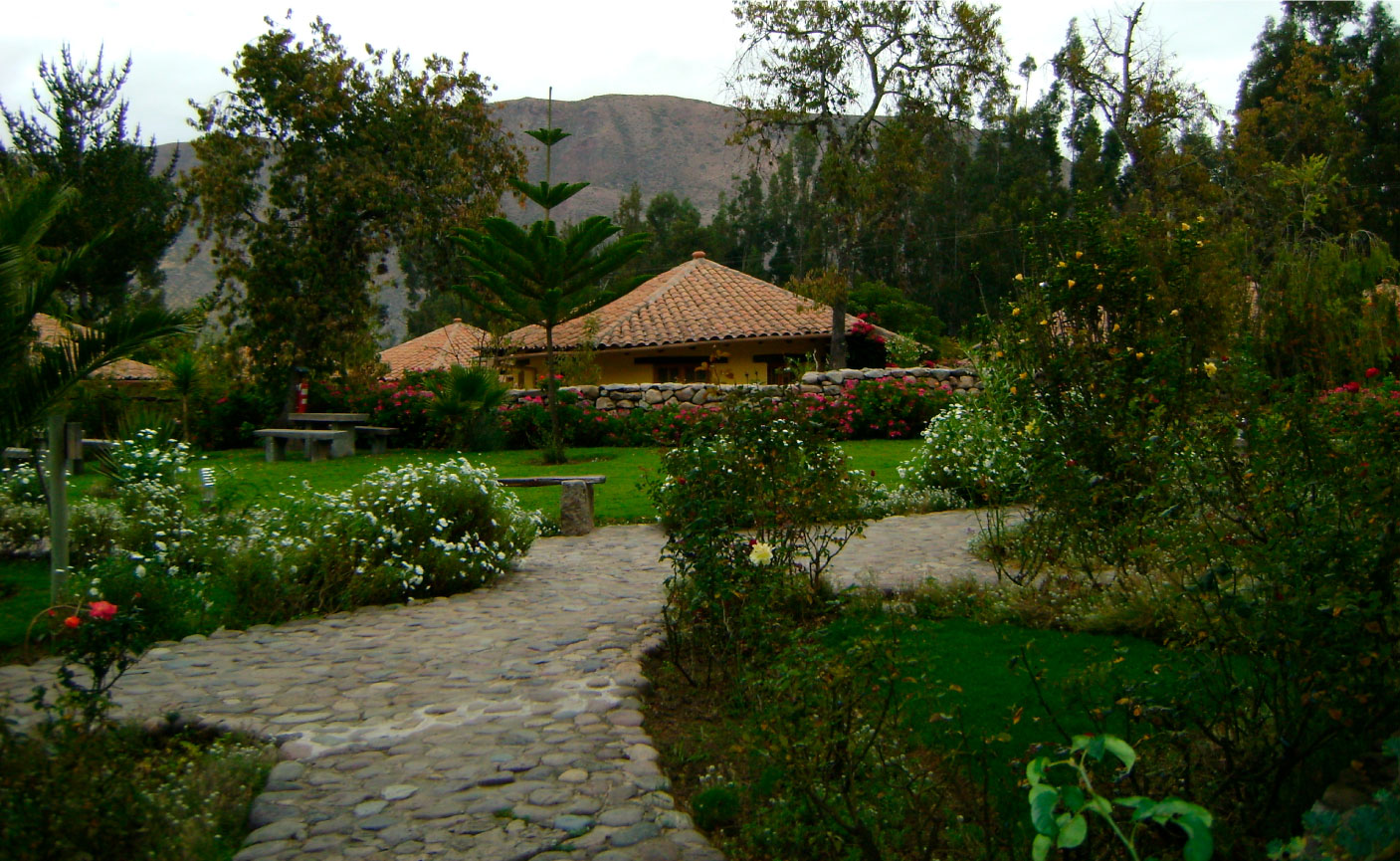
Peru is a country that offers a unique blend of natural beauty and rich cultural heritage. The ancient Inca civilization, the stunning Andean mountain range, and the lush Amazon rainforest are just a few of the many attractions that draw travelers from all over the world to Peru. With so much to see and do, it’s no wonder that many visitors choose to stay in luxury hotels during their travels to Peru. In this article, discover the best luxury hotels in Cusco.
When it comes to luxury hotels in Peru, there are a variety of options to choose from. Some of the most popular destinations for luxury travelers include the historic city of Cusco, the Machu Picchu citadel, and the Sacred Valley of the Incas. Each of these places offers a unique experience and a chance to immerse yourself in the culture and history of Peru.

Cusco, also known as the “Navel of the World,” is a city that is steeped in history and culture. It was once the capital of the Inca Empire and is now a UNESCO World Heritage Site. Luxury hotels in Cusco offer a chance to experience the city’s rich history while enjoying all the comforts of modern amenities. Some of the top luxury hotels in Cusco include Belmond Palacio Nazarenas, JW Marriott El Convento Cusco, and Inkaterra La Casona.
You can also read: Exploring 5 of the most visited churches in Peru

Machu Picchu, one of the most popular tourist destinations in Peru, is a must-see for any traveler visiting the country. The ancient citadel is situated on top of a mountain and offers breathtaking views of the surrounding landscape. Luxury hotels in Machu Picchu offer visitors the opportunity to stay in close proximity to the site and enjoy all the comforts of modern amenities. Some of the top luxury hotels in Machu Picchu include Belmond Sanctuary Lodge, Inkaterra Machu Picchu Pueblo Hotel, and Sumaq Machu Picchu Hotel.
The Sacred Valley of the Incas is another popular destination for luxury travelers visiting Peru. The valley is located between Cusco and Machu Picchu and is home to a number of ancient Inca sites and beautiful natural landscapes. Luxury hotels in the Sacred Valley offer visitors the chance to experience the valley’s rich cultural heritage while enjoying all the comforts of modern amenities. Some of the top luxury hotels in the Sacred Valley include .
You may also like: The fascinating history of Santa Catalina Monastery
When it comes to Peru tours, there are a variety of options to choose from. Some of the most popular tours include visits to Machu Picchu, the Sacred Valley, and the Amazon rainforest. Luxury tour operators offer a variety of packages that include transportation, guides, and accommodation in luxury hotels. Some of the top luxury tour operators in Peru include Belmond, Inkaterra, and Luxury Adventures.
In conclusion, Peru offers a wide range of luxury hotels and tours for travelers looking to experience the country’s natural beauty and rich cultural heritage in style. Whether you’re looking to stay in a historic city like Cusco, visit the ancient citadel of Machu Picchu, or explore the Sacred Valley of the Incas, there is a luxury hotel and tour option to suit your needs.
Colourful Peru invites you to experience our country. We are committed to offer you the best options so you can live a Colourful journey. If you want to know more about our suggested journeys, do not hesitate to get in touch with us.
Exploring 5 of the Most Visited Churches in Peru. Peru is a country rich in history, culture, and natural beauty. With its famous Machu Picchu, the Inca Trail, and other iconic landmarks, it is no surprise that many people choose to travel to Peru for their vacation. However, the country also has a wealth of religious monuments that are worth visiting. In this article, we will explore 5 of the most visited churches in Peru, and why they should be included in your Peru vacation itinerary.

The Catedral de Lima, also known as the Cathedral of Lima, is the main Catholic church in Lima, the capital city of Peru is one of the most visited churches in Peru. The cathedral was built in the 16th century and is a prime example of Spanish colonial architecture. The interior of the cathedral is adorned with beautiful frescoes, sculptures, and altarpieces. The cathedral also houses the tombs of several prominent figures in Peru’s history, including Francisco Pizarro, the conquistador who led the Spanish conquest of the Inca Empire.
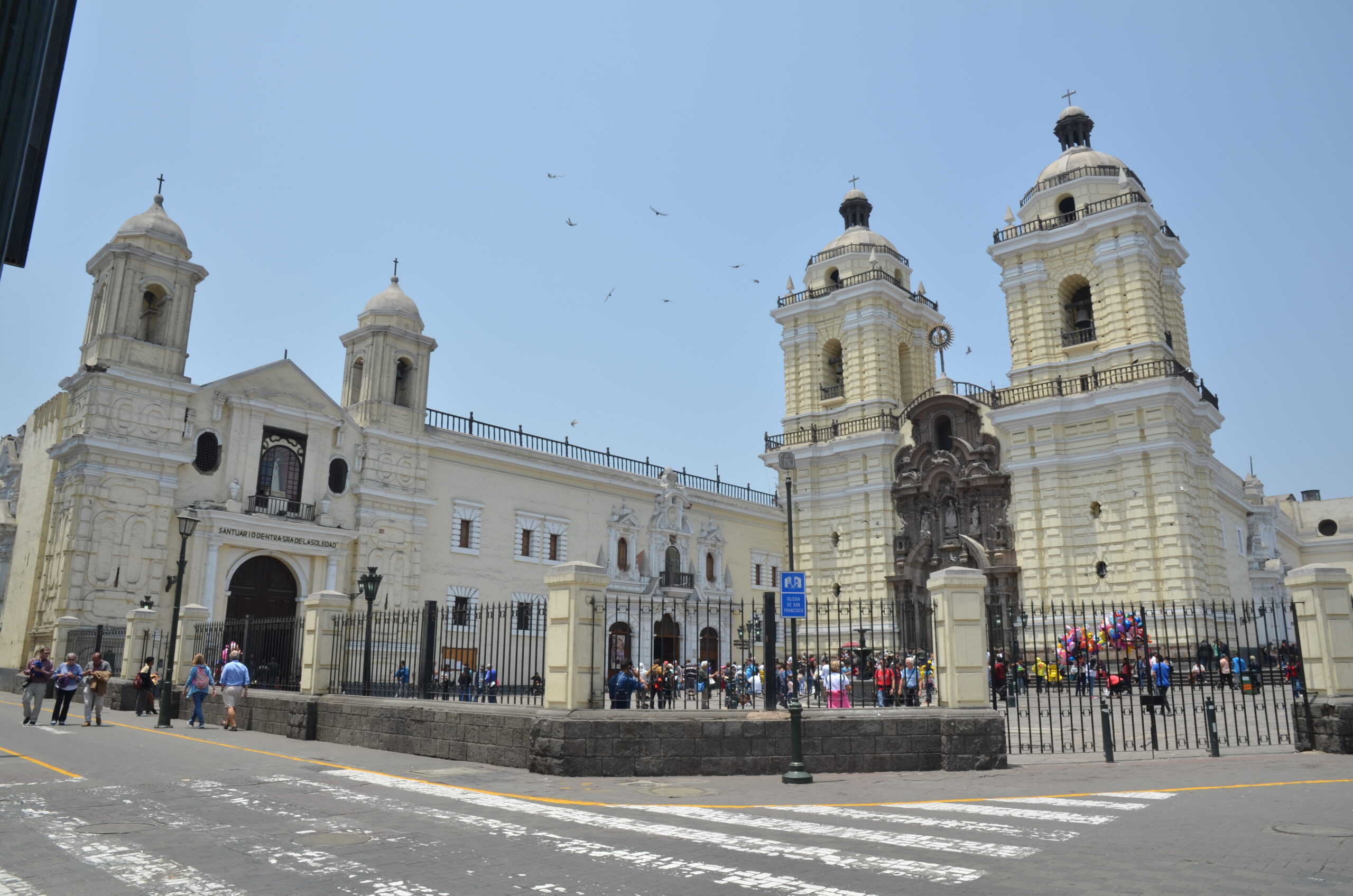
The Basilica y Convento de San Francisco is another important church in Lima. It is a stunning example of colonial Baroque architecture and is considered one of the most important religious monuments in the city. The church is known for its ornate decoration and beautiful frescoes, as well as its impressive library, which contains more than 25,000 books and manuscripts. The adjacent convent is also worth visiting, as it is home to a beautiful cloister and a museum that showcases the history of the church.
You can also read: The fascination history of Santa Catalina Monastery
The Iglesia de la Merced is a beautiful church located in the historic center of Cusco, the former capital of the Inca Empire. The church was built on the site of an Inca temple and is a unique blend of Inca and Spanish architectural styles. The interior of the church is adorned with beautiful frescoes and sculptures, and the church also houses a museum that displays religious artifacts from the colonial period.
The Iglesia de San Blas is another important church located in Cusco. The church is known for its beautiful Baroque decoration and is considered one of the most picturesque churches in the city. The church was built on the site of an Inca palace and is considered to be one of the best examples of colonial architecture in Cusco. The interior of the church is adorned with beautiful frescoes and sculptures, and the church also houses a museum that displays religious artifacts from the colonial period.
You may also like: Discover the beauty of Tambopata National Reserve

The Iglesia de la Compañía de Jesús is a beautiful church located in the historic center of Arequipa, a city in southern Peru. The church is considered to be one of the most important examples of colonial Baroque architecture in Peru. The interior of the church is adorned with beautiful frescoes, sculptures, and altarpieces. The church also houses a museum that displays religious artifacts from the colonial period.
In conclusion, Peru is a country with a rich history and culture, and its churches are a testament to that. These churches are not only beautiful architectural masterpieces but also important cultural landmarks that provide a glimpse into the country’s past. If you are planning to travel to Peru, make sure to include some of these churches in your itinerary.
Colourful Peru invites you to experience our country. We are committed to offer you the best options so you can live a Colourful journey. If you want to know more about our suggested journeys, do not hesitate to get in touch with us.
When planning a trip to Peru, a visit to the ancient city of Arequipa is a must. This beautiful city, nestled in the shadow of the majestic volcano El Misti, is home to many historical and cultural treasures. One of the most striking and unique of these is the Santa Catalina Monastery.
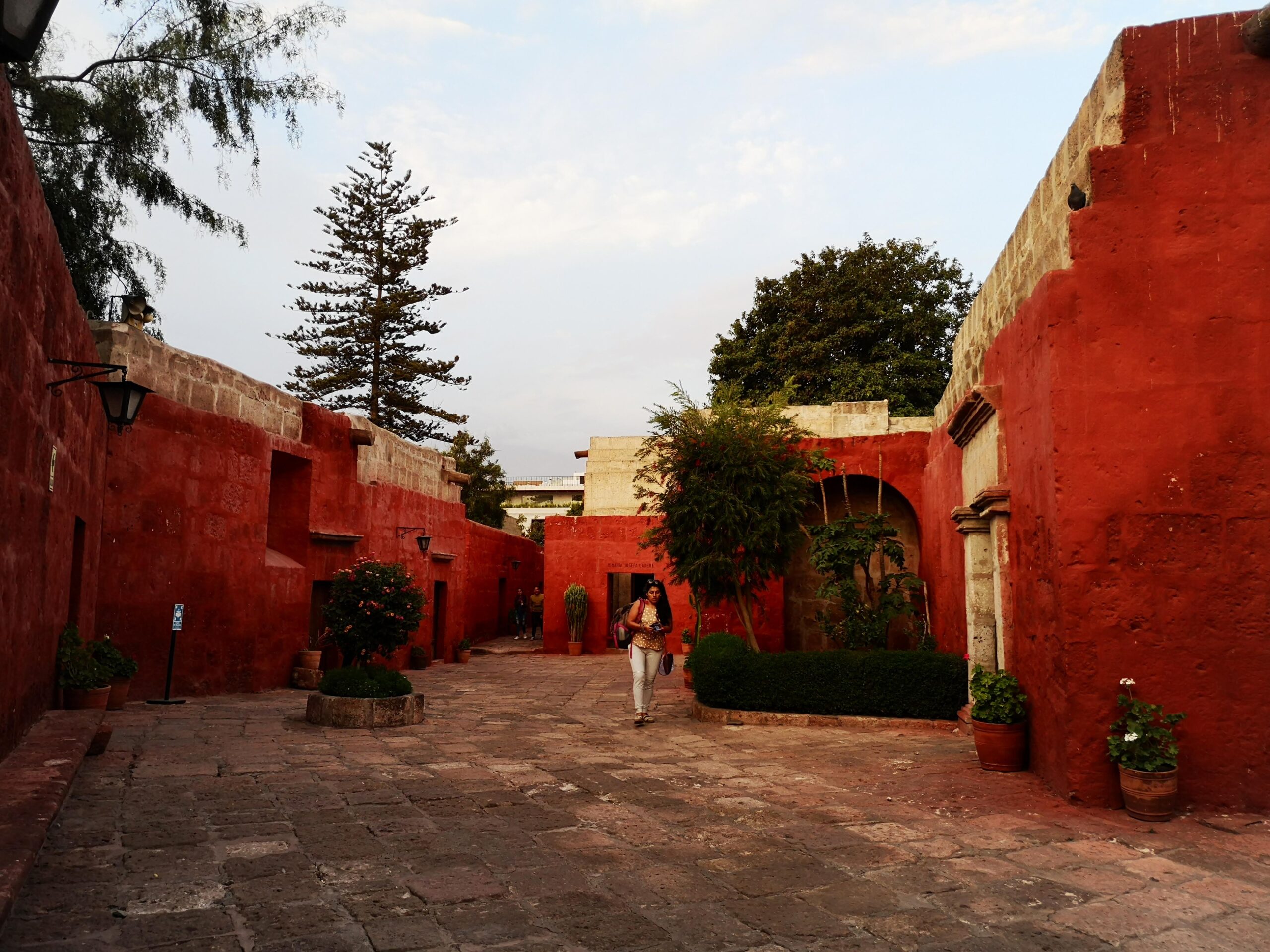
Built in the 16th century, the Santa Catalina Monastery is a stunning example of colonial architecture. The walls of the monastery are constructed from the same white volcanic stone that gives Arequipa its nickname “The White City.” The monastery is a maze of narrow streets, plazas, and brightly colored buildings, all surrounded by high walls.

The Santa Catalina Monastery was founded in 1579 by a wealthy widow named Maria de Guzman. At the time, it was a place for nuns to live, work and pray in seclusion. It was not open to the public for centuries, but in 1970 it was finally opened to visitors.
You can also read: Discover the beauty of Tambopata National Reserve
One of the most striking features of the monastery is its vibrant colors. The buildings are painted in a variety of hues, from deep blues and greens to bright yellows and oranges. This is in contrast to the traditional monastic architecture, which is usually quite plain and austere.

The monastery is also home to a number of interesting artifacts and works of art, including sculptures, paintings, and frescoes. Many of these date back to the 16th and 17th centuries and offer a glimpse into the lives of the nuns who lived and worked there.
One of the most fascinating aspects of the Santa Catalina Monastery is its history of seclusion. For centuries, the nuns lived in strict isolation, with little contact with the outside world. They were not allowed to leave the monastery grounds and were forbidden from speaking to anyone outside of the community.
You may also like: Exploring the Natural Beauty of Pacaya Samiria National Reserve
Despite this isolation, the nuns were able to create a thriving community within the monastery walls. They built their own houses, streets, and plazas and even had their own market where they could buy and sell goods.
Today, the Santa Catalina Monastery is a popular tourist destination, drawing visitors from all over the world who come to see its unique architecture and learn about its history. For those planning a trip to Peru, a visit to this fascinating monastery is a must. It is a perfect complement to a visit to Machu Picchu and other Peru vacations destination.
The Santa Catalina Monastery is a striking reminder of the rich cultural heritage of Arequipa and Peru. It is a testament to the strength, resilience, and creativity of the human spirit and a fascinating glimpse into the lives of the nuns who called it home.
Colourful Peru invites you to experience our country. We are committed to offer you the best options so you can live a Colourful journey. If you want to know more about our suggested journeys, do not hesitate to get in touch with us.
When planning a trip to Peru, many travelers think first of visiting the famous Machu Picchu. While this iconic Incan ruin is certainly a must-see destination, there is so much more to discover in this diverse and beautiful country. One of the hidden gems of Peru’s natural landscape is the Tambopata National Reserve, located in the southern region of the country near the border with Bolivia. This vast reserve is home to a wide variety of plant and animal species, making it a prime destination for nature lovers and adventure seekers alike.
One of the most unique aspects of Tambopata National Reserve is its biodiversity. The reserve is home to over 600 species of birds, including macaws and parrots, as well as over 100 species of mammals and countless species of plants and insects. The reserve is also home to the Tambopata Research Center, which is dedicated to studying and preserving the area’s diverse wildlife.
You can also read: Exploring the nature beauty of Pacaya Samiria National Reserve

One of the best ways to explore the reserve is through a guided tour. There are many tour operators that offer Peru tours that include a visit to Tambopata National Reserve, and they can provide you with a knowledgeable guide who can help you spot the various species of birds and animals that call the reserve home. Many tours also include a visit to the Tambopata Research Center, where you can learn more about the reserve’s wildlife and the efforts being made to protect it.
Another highlight of Tambopata National Reserve is its beautiful landscape. The reserve is home to miles of pristine rainforest, as well as several rivers and streams that flow through the area. Many of the tours offered by tour operators include a boat trip on one of the reserve’s rivers, which is a great way to take in the natural beauty of the area. Along the river, you may spot monkeys, caymans, and different types of birds that live on the river’s banks.
You may also like: Exploring the 4 best bars in Lima
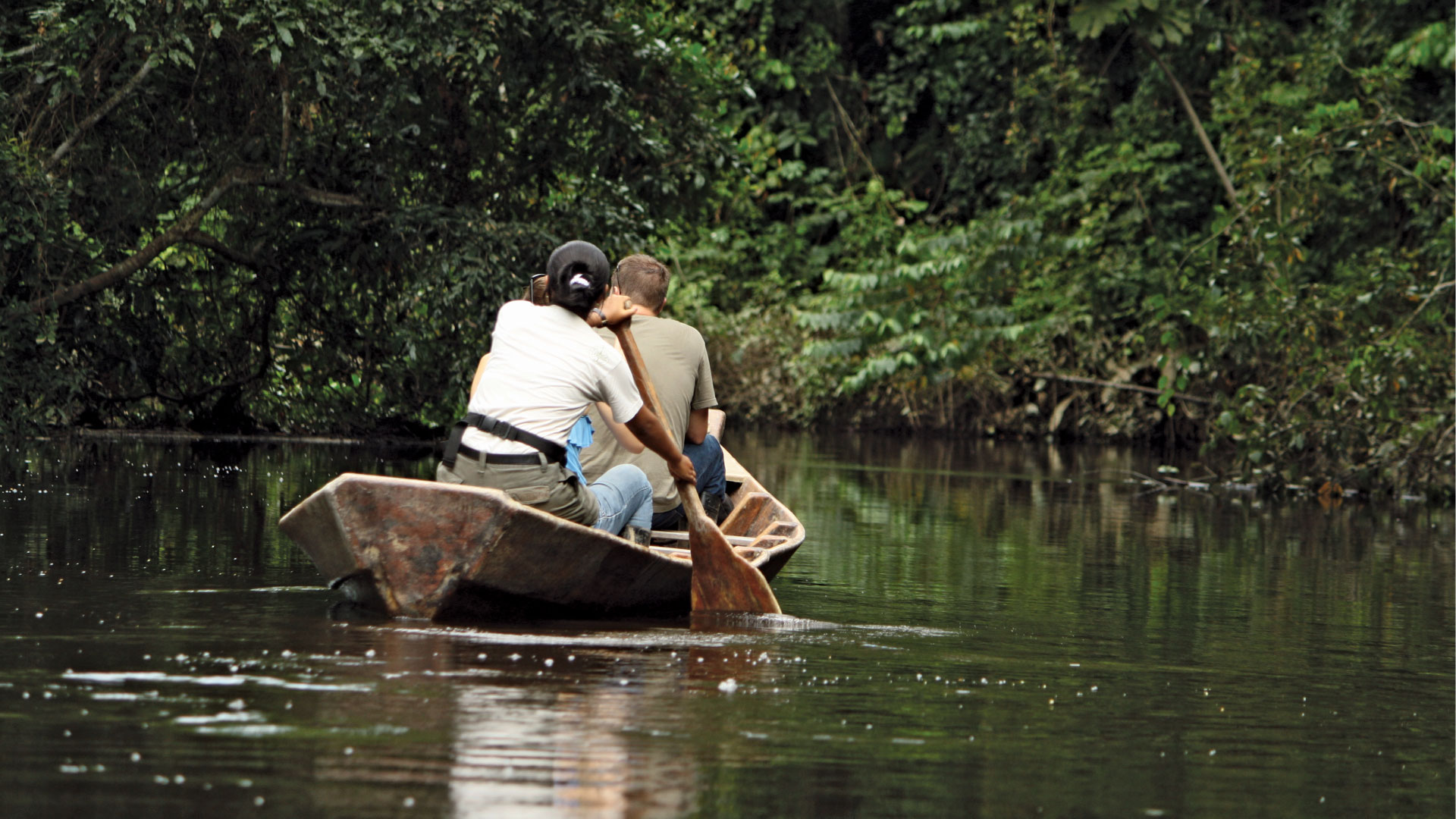
For those interested in adventure, Tambopata National Reserve offers many opportunities for outdoor activities. Visitors can hike through the rainforest, go on a guided bird-watching tour, or even take a canopy walk. The canopy walk is an elevated walkway through the treetops that offers an incredible vantage point for observing the wildlife and taking in the stunning views of the reserve.
When planning your trip to Peru, be sure to include Tambopata National Reserve on your itinerary. This hidden gem is a must-see destination for anyone who loves nature and wants to experience the beauty and biodiversity of South America. With its diverse wildlife, stunning landscape, and many opportunities for outdoor activities, Tambopata National Reserve is the perfect place to explore on your next Peru tour.
In conclusion, Tambopata National Reserve is a hidden gem located in the Southern region of Peru. It is known for its diversity of plant and animal species and the Tambopata Research Center. With a guided tour, you can spot the various species of birds and animals that call the reserve home, visit the research center and learn more about the reserve’s wildlife and the efforts being made to protect it. You can also take in the natural beauty of the reserve by boat on one of the reserve’s rivers, hike through the rainforest, go on a guided bird-watching tour or take a canopy walk. Tambopata National Reserve is a must-see destination for anyone who loves nature and wants to experience the beauty and biodiversity of South America.
Colourful Peru invites you to experience our country. We are committed to offer you the best options so you can live a Colourful journey. If you want to know more about our suggested journeys, do not hesitate to get in touch with us.

The Pacaya Samiria National Reserve is the largest national reserve in Peru, spanning over 2 million hectares in the upper Amazon basin. Located in the Loreto Region, the reserve is home to a diverse array of flora and fauna, including over 800 species of birds, over 200 species of fish, and thousands of different plants. This makes it a must-see destination for nature enthusiasts and wildlife lovers planning to travel to Peru.
The reserve is also home to a variety of indigenous communities, such as the Yagua, Cocama, and Omagua, who have lived in harmony with the rainforest for generations. Visitors can learn about the traditional ways of life of these communities and gain an understanding of the importance of the rainforest to their survival.
You can also read: 4 best bars in Lima
Exploring the reserve is a great way to discover the diversity of the Amazon rainforest, including the numerous rivers, streams, and oxbow lakes that are home to an array of fish and other aquatic life. Visitors can also hike through the forest, observing monkeys, sloths, and other mammals along the way. The reserve is also an excellent place for birdwatching, with over 800 species of birds known to inhabit the area.
 Photo: Gihan Tubbeh / PROMPERÚ
The best time to visit the reserve is between April and October, when the weather is drier and the water levels in the rivers and lakes are lower, making it easier to navigate. Visitors can reach the reserve by taking a flight to the city of Iquitos, which is the gateway to the Amazon rainforest. From there, it is possible to take a boat ride to the reserve, where a variety of lodges and campsites are available for overnight stays.
 Photo: Renzo Tasso / PROMPERÚ
Many tour operators offer Peru tours that combine a visit to the Pacaya Samiria National Reserve with a visit to Machu Picchu, the famous Inca citadel located in the Andes mountains. This allows visitors to experience the contrasts of the Amazon rainforest and the Andean highlands, and to see two of Peru’s most iconic natural and cultural attractions.
You may also like: Exploring the nature beauty of Peru
In conclusion, Pacaya Samiria National Reserve is a must-see destination for anyone interested in exploring the natural beauty of the Amazon rainforest and learning about the traditional ways of life of the indigenous communities that call it home. Combining a visit to the reserve with a visit to Machu Picchu is an excellent way to experience the contrasts of Peru’s diverse landscapes and cultures.
Colourful Peru invites you to experience our country. We are committed to offer you the best options so you can live a Colourful journey. If you want to know more about our suggested journeys, do not hesitate to get in touch with us.
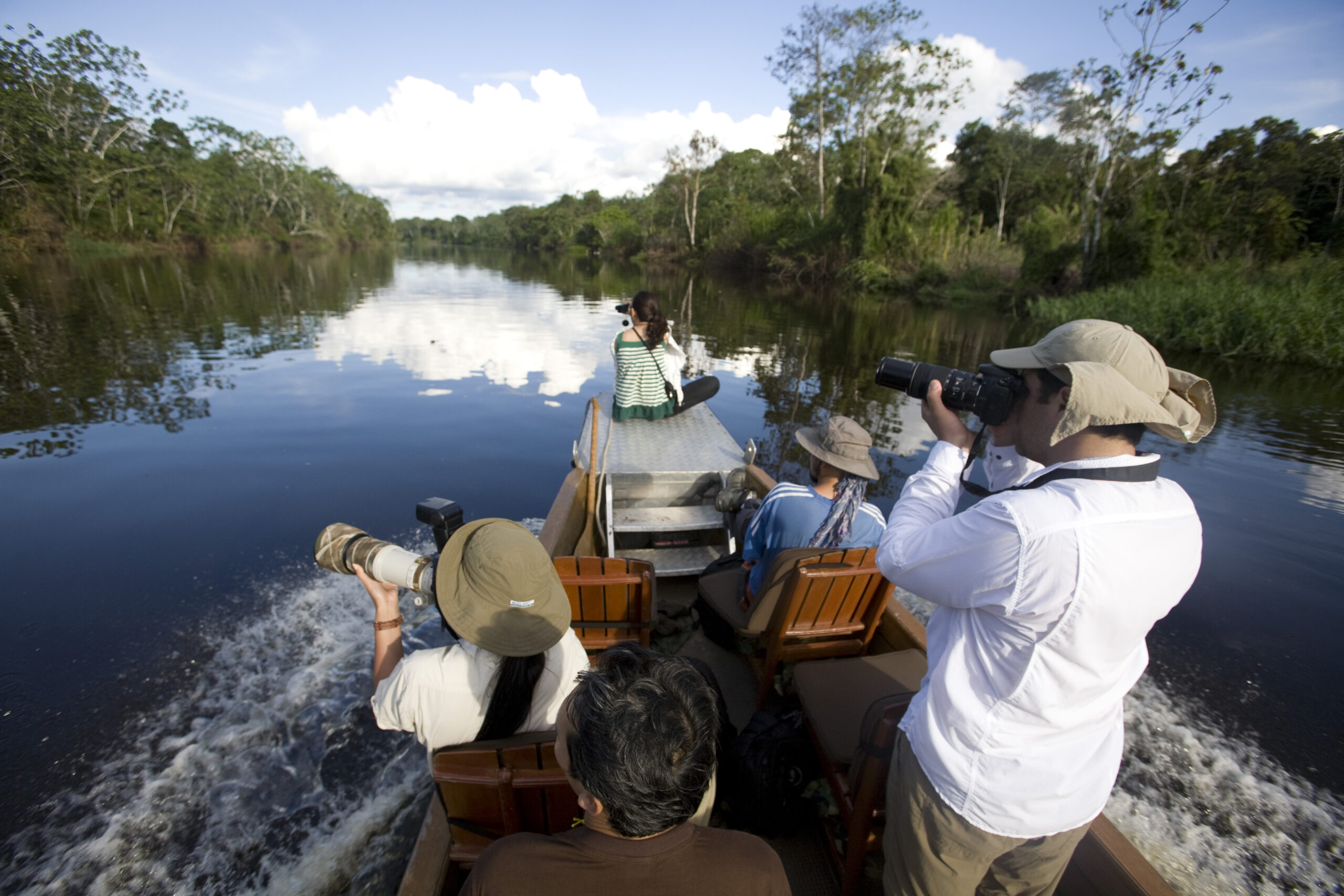
Know the best bars in Lima. Peru is renowned for its rich cultural heritage, stunning landscapes, and delicious cuisine, but it also boasts a vibrant nightlife scene. Lima, in particular, is home to some of the best bars in the country, offering travelers the perfect opportunity to unwind after a day of exploring Machu Picchu or taking one of the many Peru tours available. In this guide, we’ll take a look at some of the best bars in Lima, from trendy rooftop spots to traditional Peruvian pubs.

Hotel B also boasts a stylish and sophisticated bar, perfect for those looking to relax and unwind after a day of exploring Lima or taking one of the many Peru tours available. The bar offers a range of classic and signature cocktails, as well as a selection of Peruvian beers, wines and spirits.
The bar at Hotel B is also known for its stylish and sophisticated design. The decor is modern and chic, featuring sleek furnishings and ambient lighting, creating a relaxing and inviting atmosphere. The bar also offers a range of seating options, from intimate booths to communal tables, making it perfect for solo travelers, couples, or groups.
You can also read: Exploring the Natural Beauty of Peru
Ayahuasca is a traditional Peruvian plant medicine that is used for healing and spiritual growth. It is also the inspiration behind Ayahuasca Bar, which is located in the trendy Barrando neighborhood. The bar serves a range of Ayahuasca-inspired cocktails, as well as a selection of Peruvian beers and wines. The atmosphere is cozy and intimate, making it the perfect spot for a romantic night out.
El Mercado is a popular bar and restaurant in the Miraflores neighborhood that offers a unique dining experience. The bar is built inside an old market, which gives it a cool, industrial vibe. The menu features a wide range of Peruvian dishes, as well as a selection of international favorites. The bar also has a great cocktail menu, featuring classic and signature drinks.
You may also like: 5 best museums in Arequipa

La Noche is a popular bar and club in the Barranco neighborhood that is known for its lively atmosphere. The bar has a large dance floor, a stage for live music, and a VIP area. The drink menu features a wide range of classic and signature cocktails, as well as a selection of Peruvian beers and wines. La Noche is perfect for those looking to dance the night away.
Whether you’re looking for a trendy rooftop spot, a traditional Peruvian pub, or a lively club, Lima has something to offer. Take a break from your travels to Machu Picchu and Peru tours, and experience the city’s vibrant nightlife scene. Each of these bars offer an unique experience, perfect to enjoy with friends, couple or alone. Try some of the traditional Peruvian drinks and enjoy the time of your life in one of the best cities in South America.
Colourful Peru invites you to experience our country. We are committed to offer you the best options so you can live a Colourful journey. If you want to know more about our suggested journeys, do not hesitate to get in touch with us.
Peru is a country that is rich in culture, history, and natural beauty. From the ancient ruins of Machu Picchu to the lush rainforests of the Amazon, there is something for every type of traveler. If you’re looking to experience the best that Peru has to offer, a nature tour is the perfect way to do it. In this article, we’ll take a closer look at some of the best nature tours in Peru, including where to go and what to see.
One of the most popular nature tours in Peru is a trek to Machu Picchu. This ancient Inca citadel is located high in the Andes mountains, and offers breathtaking views of the surrounding landscape. The most common way to reach Machu Picchu is by taking the Inca Trail, a four-day hike that takes you through a variety of different ecosystems, including cloud forests and alpine tundra. Along the way, you’ll see a variety of wildlife, including llamas, vicuñas, and even the occasional Andean condor. At the end of the trail, you’ll reach Machu Picchu, where you can explore the ruins and learn about the history and culture of the Incas.
You can also read: Exploring 5 of the best museums in Arequipa

Another popular nature tour in Peru is a trip to the Amazon rainforest. The Amazon is one of the most biodiverse regions on earth and is home to a wide variety of plants and animals. During a tour of the Amazon, you’ll have the opportunity to see monkeys, parrots, pink dolphins and even jaguars. You can also take a boat ride down the river to see the rainforest from a different perspective or, take a guided hike through the jungle to learn about the plants and animals that call it home.
Lake Titicaca is another must-see destination for nature lovers visiting Peru. Located high in the Andes, it is the highest navigable lake in the world and is considered to be a sacred site by the indigenous people of the area. The lake is home to a variety of different ecosystems and wildlife, including Andean geese, puna teals, and Andean gulls.
One of the most popular activities on a tour of Lake Titicaca is a visit to the floating islands of Uros. These man-made islands are constructed from reeds and are home to the Uros people, who have lived on the lake for centuries. You can visit the islands and learn about the traditional way of life of the Uros people, as well as take a boat ride on the lake to see the surrounding landscape and wildlife.
In addition to these activities, a tour of Lake Titicaca also offers the opportunity to see the beautiful sunrises and sunsets, and to take a dip in the lake’s crystal clear water. It’s a unique experience that you can’t miss while traveling to Peru.
You may also like: Discovering the rich history of Cusco

Photo: Alfredo Cornejo
For bird enthusiasts, the Sacred Valley is a must-see destination in Peru. The valley is home to a wide variety of bird species, including the Bearded Mountaineer (Oreonympha nobilis), White-Bellied woodstar (Chaetocercus mulsant) and the Chestnut breasted mountain finch (Poospizopsis Caesar). During a birdwatching tour of the Sacred Valley, you’ll have the opportunity to see these birds in their natural habitat and learn about their behavior and habitat.
The Colca Canyon is a natural wonder located in the Andes mountains of Peru. It is considered to be the deepest canyon in the world and is home to a variety of different ecosystems and wildlife. During a trek through the canyon, you’ll see a variety of different landscapes, including deserts, forests, and alpine tundra. Along the way, you may also spot vicuñas, Andean condors and other native animals.
In conclusion, Peru offers a wide variety of nature tours, which will take you to some of the most beautiful and biodiverse places in the world. From Machu Picchu to the Amazon rainforest, there is something for every type of traveler. Whether you’re interested in history, culture, or nature, a tour of Peru is sure to be an unforgettable experience. So, pack your bags, put on your hiking boots, and get ready to explore the natural beauty of Peru.
Colourful Peru invites you to experience our country. We are committed to offer you the best options so you can live a Colourful journey. If you want to know more about our suggested journeys, do not hesitate to get in touch with us.

Arequipa, also known as the “White City” due to its distinctive white volcanic stone architecture, is a popular destination for travelers on Peru tours. The city is home to several museums that offer a glimpse into the rich history and culture of the region. Whether you’re a history buff, an art lover, or just looking for something to do, these museums are definitely worth visiting. In this article, we’ll take a look at some of the best museums in Arequipa and what you can expect to see there.
The Museo de la Universidad Católica de Santa María is one of the most popular museums in Arequipa. It’s located on the campus of the Catholic University of Santa María and is known for its impressive collection of pre-Columbian art and artifacts. The museum features ceramics, textiles, metalwork, and other objects from different cultures that inhabited the region before the arrival of the Spanish. There is also a section dedicated to the Wari culture, which was one of the most important pre-Columbian cultures in the Andes.

Photo: Karina Mendoza
Monasterio y Museo de Arte Virreinal Santa Teresa is a must-visit destination for art and history enthusiasts visiting Arequipa. The museum is located next to the Santa Teresa convent and was built in 1710, and it holds a collection of colonial-era art and artifacts. Visitors can explore 13 different rooms filled with porcelain pieces, paintings, sculptures, and murals depicting various themes, including the Carmelite order, Christmas, saints, and the Virgin Mary.
The museum also has a gift shop and a pastry shop where you can try some delicious desserts made by the nuns, such as wrapped apples and mille-feuille with white cream, alfajores and others. The museum is located on Melgar Street, and it’s open Monday to Saturday from 9:00 am to 5:00 pm. The general admission fee is 20 soles; university students and senior citizens pay 10 soles, and students pay 5 soles.
You can also read: Discovering the rich history of Cusco
The Museo Santuarios Andinos is a fascinating museum that tells the story of the discovery of the frozen mummy of a young Inca girl, known as “Juanita” or “the Ice Maiden.” The mummy, which is over 500 years old, was discovered on the summit of an Andean volcano in 1995. The museum is dedicated to the preservation and study of the mummy and her culture, and it features a collection of artifacts and textiles that were buried with her, as well as information about Inca culture and the discovery of the mummy.

Photo: Fernando López
The Casa Museo Mario Vargas Llosa is a museum dedicated to the life and work of the famous Peruvian writer Mario Vargas Llosa. The museum is located in the house where the writer lived as a child, and it’s a unique opportunity to learn more about his life and the context in which he grew up, which greatly influenced his work. The museum contains a collection of personal items, photographs, and memorabilia, as well as manuscripts, books, and other items related to his writing.
The visitors can learn about the various stages of Vargas Llosa’s life and career, and also see some of the photographs and documents that he used to write his novels. You can also find many of his literary works in different languages and some audiovisual materials that allow to understand the context of his stories, and how the city of Arequipa and Peru influenced his writing.
The Casa Museo Mario Vargas Llosa is a great option for literature lovers and anyone interested in the life and work of one of Peru’s most renowned authors. The museum is open from Monday to Saturday from 9:00 am to 1:00 pm and from 2:00 pm to 5:00 pm, the cost of the entrance is not specified.
You may also like: Experience the best of birdwatching in Peru
The MAC is an excellent place for art lovers, and it’s also a great spot for those who are interested in the contemporary art scene in Arequipa. Visitors can expect to see a diverse range of styles and mediums, and the museum’s exhibitions are regularly updated, so there is always something new to see. The museum also has a gift shop where you can purchase artworks and other items.
The museum is open from Tuesday to Sunday from 9:00 am to 5:00 pm. The cost of admission is not specified. The MAC is an important cultural center of the city, and it’s a great place to see the best of contemporary art in Arequipa and to learn about the local art scene.
In conclusion, Arequipa is a city with a rich history and culture, and these museums offer a glimpse into the past.
Colourful Peru invites you to experience our country. We are committed to offer you the best options so you can live a Colourful journey. If you want to know more about our suggested journeys, do not hesitate to get in touch with us.
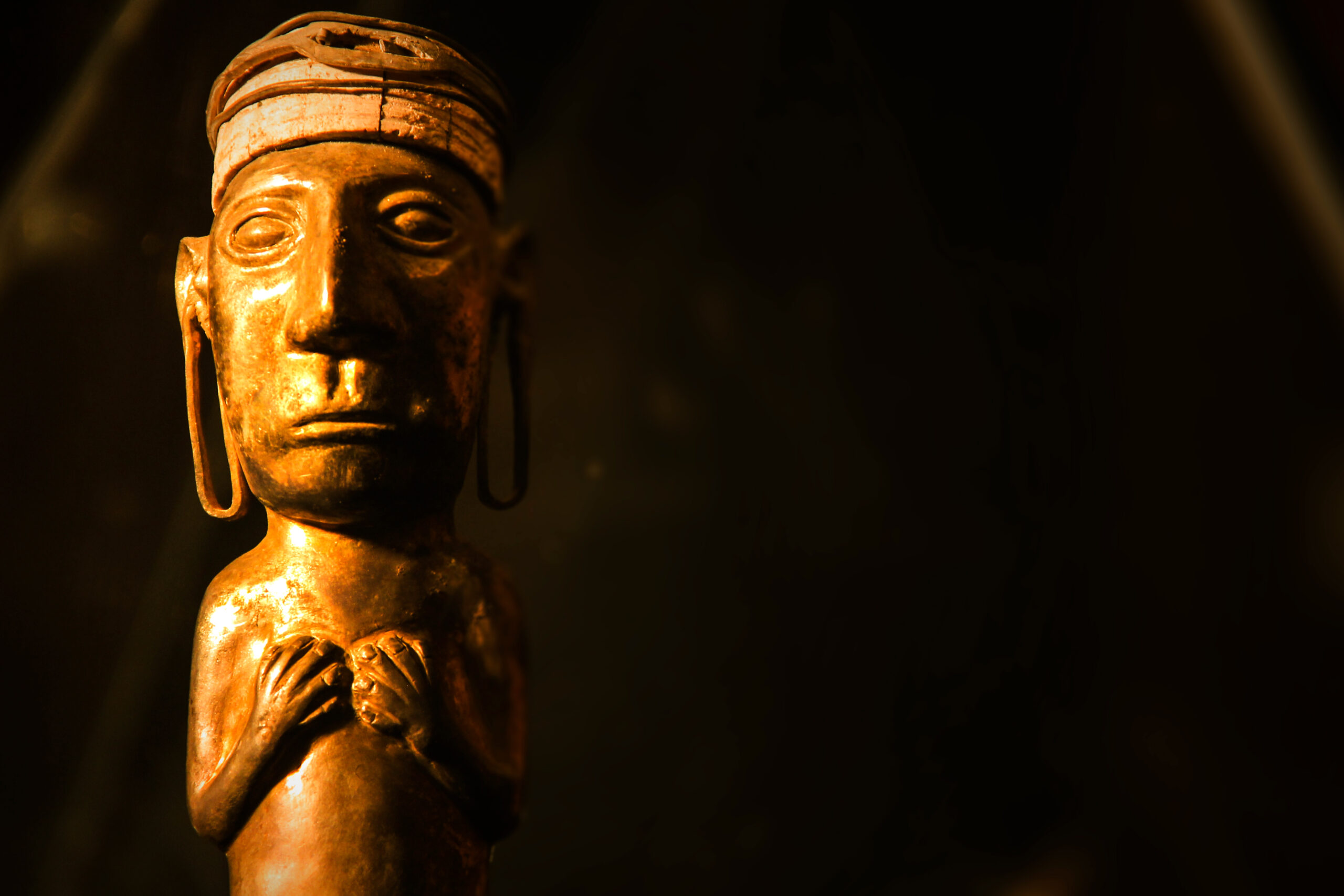
In this article you will know the history of Cusco. Cusco, also known as the “Navel of the World,” is a city steeped in history and culture. Located in the southern Andes of Peru, it was once the capital of the powerful Inca Empire. Today, it serves as a popular destination for travelers seeking to explore the rich heritage of the Incas and experience the unique blend of indigenous and colonial influences.
The Incas first settled in the Cusco region around the 12th century AD. They quickly established themselves as a powerful civilization and expanded their empire to encompass much of present-day Peru, Ecuador, Chile, and parts of Argentina and Colombia. The Incas built impressive architectural and engineering feats, including the famous Machu Picchu, which is located just a short train ride from Cusco.

When the Spanish arrived in Cusco in the 16th century, they were awestruck by the grandeur of the Inca city. They described the city as having wide streets, plazas, and impressive public buildings, all made from finely cut stone. The Spanish conquerors, led by Francisco Pizarro, quickly recognized the strategic importance of Cusco and established it as the capital of their new colony.
You can also read: Experience the best of birdwatching in Peru
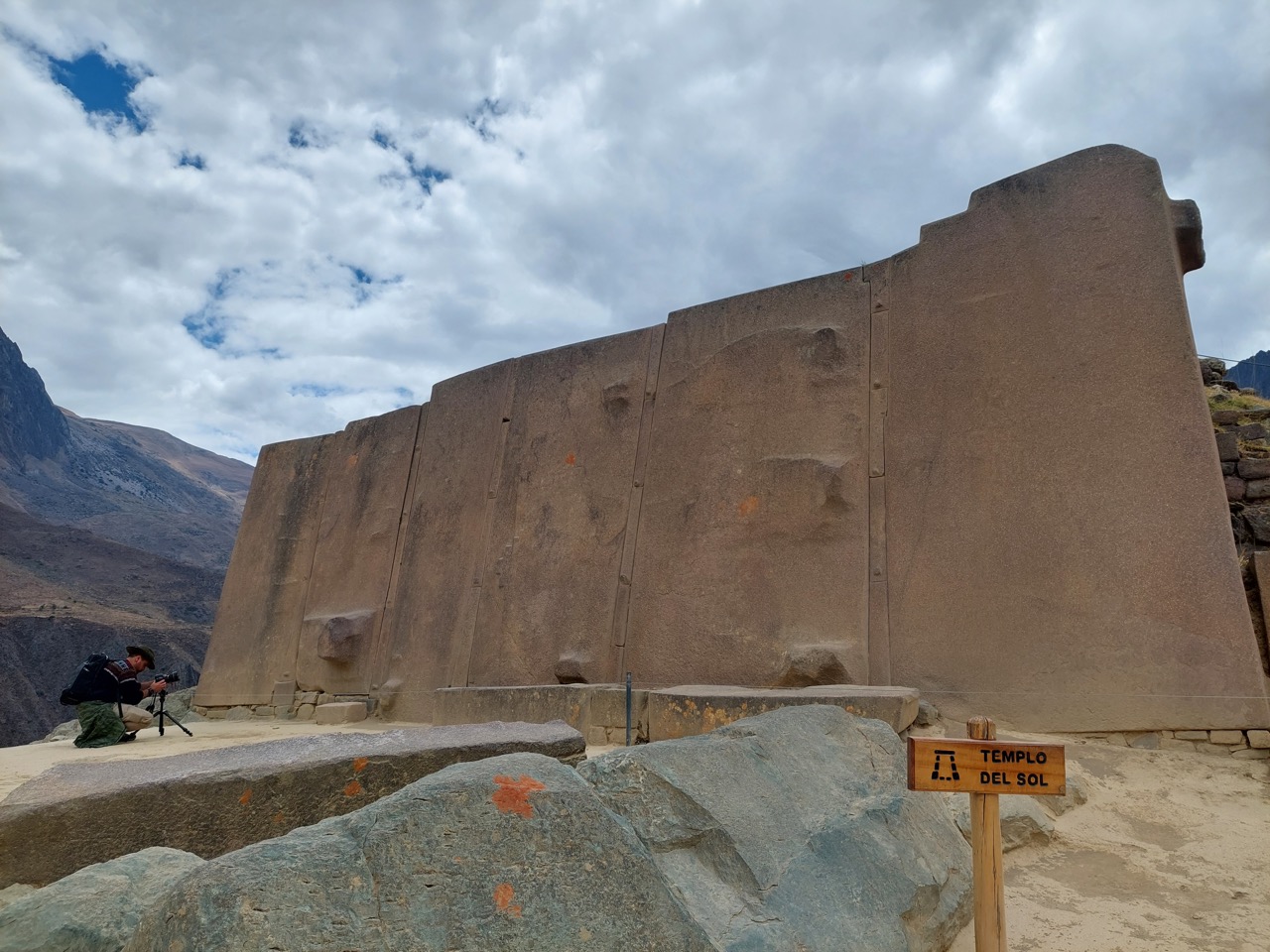
Cusco’s rich history is evident in the many historical sites and landmarks that can be found throughout the city. Some of the most popular attractions include the Qorikancha, the Temple of the Sun, which was once the most important temple in the Inca Empire. The Spanish later built the Convent of Santo Domingo on top of the temple, which can still be visited today. Another popular attraction is the Inca fortress of Sacsayhuaman, located just outside of Cusco. The fortress, with its massive stone walls, offers stunning views of the city and is a testament to the incredible engineering skills of the Incas.
In addition to its historical sites, Cusco is also known for its vibrant and colourful markets, where visitors can find a wide variety of traditional crafts, textiles, and souvenirs. The San Pedro Market is one of the most famous markets in Cusco and is a great place to explore and experience the local culture.

When planning your travel to Peru, consider taking a tour to fully experience the rich history and culture of Cusco. There are many tour companies that offer Peru tours, including taylor made tours, which are tailored to your specific interests and needs. These tours can include visits to the most popular historical sites, as well as off-the-beaten-path experiences, such as hiking to remote Inca ruins or learning about traditional Andean weaving techniques.
You may also like: A guide to traveling by train from Puno to Cusco
In conclusion, Cusco is a city that offers a unique blend of ancient and modern culture, and its rich history is a testament to the Inca’s impressive architectural and engineering achievements. The city is a must-see destination for anyone interested in exploring the history and culture of Peru. Whether you’re a history buff, an adventurer, or simply looking for a unique travel experience, Cusco has something to offer everyone. So, whether you’re planning your first trip or returning to this fascinating city, be sure to include Cusco in your travel itinerary and discover the rich history and culture of this ancient Inca capital.
Colourful Peru invites you to experience our country. We are committed to offer you the best options so you can live a Colourful journey. If you want to know more about our suggested journeys, do not hesitate to get in touch with us.


Our team will be contacting you as soon as possible.
