Manu National Park is a must-see destination for any nature lover planning a vacation in Peru. This vast and pristine wilderness area, located in the Amazon rainforest, is home to a diverse array of plant and animal species, including jaguars, monkeys, and colourful macaws.
Traveling to Manu National Park can be a bit of a challenge, but with the right planning and preparation, it can be a truly rewarding experience. In this guide, we’ll take a look at some of the best ways to get to Manu National Park, as well as tips for planning your Peru vacation and making the most of your time in this incredible natural wonderland.

Photo: Ernesto Benavides / PROMPERÚ
One of the most popular ways to get to Manu National Park is by taking a guided tour. These tours are a great option for those who want a hassle-free way to explore the park and see its many highlights.
You can also read: How to explore Tambopata?
When choosing a tour, it’s important to look for one that is tailored to your interests and needs. For example, if you’re interested in birdwatching, look for a tour that focuses on that activity. If you’re a nature photographer, look for a tour that will take you to the best spots for capturing great shots.
Another option for getting to Manu National Park is by taking a self-guided tour. This can be a great way to explore the park at your own pace and on your own schedule. However, it’s important to note that this option requires more planning and preparation, as you’ll need to arrange your own transportation, accommodation, and activities.

Photo: Ernesto Benavides / PROMPERÚ
When planning your Peru vacation, it’s also important to keep in mind that the best time to visit Manu National Park is during the dry season, which runs from May to October. During this time, the weather is more stable and the trails are less muddy, making it easier to explore the park.
Once you’ve arrived at Manu National Park, there are a variety of activities to enjoy. You can explore the park’s many trails and see its diverse wildlife, including monkeys, parrots, and tapirs. You can also take a boat trip on the Manu River, which is home to a wide range of fish, reptiles, and mammals.
Another popular activity is birdwatching, as Manu National Park is home to more than 1000 bird species. For those interested in the park’s human history, you can visit the Machiguenga indigenous communities and learn more about their way of life.
You may also like: Discovering the best restaurants in Cusco
If you’re interested in a more immersive experience, you can stay in one of the park’s eco-lodges, which offer comfortable accommodations in the heart of the rainforest. This way, you can spend more time exploring the park and its many wonders.

Photo: Ernesto Benavides / PROMPERÚ
In conclusion, Manu National Park is a truly special place that offers visitors a chance to explore one of the most diverse and pristine wilderness areas on the planet. Whether you choose a guided tour or a self-guided tour, with the right planning and preparation, you’re sure to have an unforgettable Peru vacation. And with tailor-made vacations, you can customize your trip to your preferences and interests, making the most of your time in this amazing place.
Colourful Peru invites you to experience our country. We are committed to offer you the best options so you can live a Colourful journey. If you want to know more about our suggested journeys, do not hesitate to get in touch with us.

Peru is a country of incredible diversity, with ancient ruins, stunning natural beauty, and rich cultural heritage. One of the best ways to experience all that Peru has to offer is by visiting the city of Chiclayo, located in the northern region of the country. Known as the “Capital of Friendship,” Chiclayo is a bustling metropolis that offers visitors a unique blend of history, culture, and adventure. Whether you’re planning a Peru tour or a tailor-made vacation, here are some of the best tourist attractions in Chiclayo that you won’t want to miss.
One of the most important archaeological sites in Peru, the Royal Tombs of Sipán is a must-see attraction for history buffs and culture enthusiasts. Discovered in 1987 by archaeologist Walter Alva, the tombs contain the remains of the Moche culture’s rulers and their attendants, along with a wealth of artifacts and treasures. Visitors can explore the tombs and learn about the Moche civilization, which flourished in the region from 100-800 AD.

Photo: Christopher Plunkett / PROMPERÚ
Located near the tombs, the Museum of the Royal Tombs of Sipán is a modern and interactive museum that showcases the incredible artifacts and treasures found at the site. Visitors can see gold and silver objects, ceramics, textiles, and other items that provide a glimpse into the Moche culture and its sophisticated civilization. The museum also features several interactive exhibits that allow visitors to learn about the Moche way of life and their beliefs.
You can also read: 4 must-see places in Northern Peru
Another must-see attraction for history and culture enthusiasts, the Brüning National Archaeological Museum is one of the most important museums in Peru. The museum houses a vast collection of artifacts from various pre-Columbian cultures, including the Moche, Chimú, and Lambayeque. Visitors can see pottery, textiles, metal objects, and other items that provide a glimpse into the past and the lives of ancient Peruvians.
If you’re looking for a unique shopping experience, the Mercado Modelo is the place to go. Located in the heart of Chiclayo, the market is a lively and colourful place where visitors can find a wide variety of goods, including textiles, ceramics, jewelry, and other handicrafts. The market is also a great place to try traditional Peruvian foods and drinks, such as ceviche, chicha morada, and chicharrón.

Photo: Fernando Criollo / PROMPERÚ
Túcume is an archaeological site located in the Lambayeque region of Peru, near the city of Chiclayo. The site is home to 26 adobe pyramids, which were built by the Lambayeque culture between the 11th and 13th centuries AD. The pyramids at Túcume are considered some of the largest and most important pre-Columbian ruins in Peru and are believed to have been a major religious and political center for the Lambayeque culture.
The Túcume pyramids are unique because they were constructed using a technique known as “talud-tablero,” in which the sides of the pyramid are built in a series of terraces, or taludes, and the top of the pyramid is a flat platform, or tablero. This technique is believed to have been developed by the Lambayeque culture, and is not seen in other ancient civilizations in the region.
You may also like: 6 Things to do in Machu Picchu
In conclusion, Chiclayo is a wonderful destination that offers visitors a unique blend of history, culture, and adventure. Whether you’re interested in exploring ancient ruins, learning about ancient cultures, or shopping for traditional crafts, Chiclayo has something for everyone. With so many amazing tourist attractions, it’s no wonder that Chiclayo is considered one of the best places to visit in Peru. Start planning your Peru vacation today and discover the beauty and wonder of this amazing country!
Colourful Peru invites you to experience our country. We are committed to offer you the best options so you can live a Colourful journey. If you want to know more about our suggested journeys, do not hesitate to get in touch with us.
Cusco, the ancient capital of the Inca Empire, is a popular destination for travelers on Peru vacations. Known for its rich history, stunning architecture, and delicious local cuisine, Cusco is a must-visit destination on any Peru tour. Whether you’re planning a taylor made vacation or a more traditional itinerary, you won’t want to miss the opportunity to sample the delicious food that Cusco has to offer. In this article, we’ll share our top picks for the best restaurants in Cusco, so you can make the most of your culinary experiences during your visit.
Pachapapa is a trendy and popular restaurant located in the historic center of Cusco. The restaurant offers a unique fusion of traditional Peruvian and contemporary flavors, which has earned it rave reviews from both locals and tourists. The menu features a variety of dishes, including ceviche de trucha, adobo de cerdo, and lomo saltado, as well as a selection of soups options. The atmosphere is lively and the service is friendly, making Pachapapa a great choice for a casual dinner out.
You can also read: Top 5 tourist attractions in Cusco
Inka Grill is an elegant and upscale restaurant located in the historic center of Cusco. The restaurant serves traditional Peruvian dishes, with a focus on grilled meats. The menu also features a selection of vegetarian options. The atmosphere is refined and the service is impeccable, making Inka Grill a great choice for a special occasion or a romantic dinner.

Photo: Cicciolina Restaurant
Cicciolina is a popular and highly-rated restaurant located in Cusco, Peru. It is known for its swanky tapas bar, wine bar, and fine dining restaurant. Located just a short distance from the Plaza de Armas, Cicciolina is a convenient spot for tourists and locals alike.
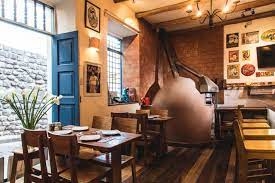
The restaurant has an informal bar area with a high vaulted ceiling and rustic wooden beams, as well as a more sophisticated dining room or salon with deep red walls, huge modern art canvases, and period furniture. The menu features a good selection of Peruvian and international dishes, including Ossobuco, which is highly recommended by customers.
Chicha is a trendy and popular restaurant located in the historic center of Cusco. The restaurant serves traditional Peruvian dishes, with a focus on ceviche and tiraditos. The menu also features a selection of vegetarian options. The atmosphere is lively and the service is friendly, making Chicha a great choice for a casual dinner out.

Photo: Belmond Hotel Monasterio
Tupay is a restaurant located within the Monasterio, a Belmond Hotel in Cusco, Peru. The restaurant serves traditional Peruvian cuisine, with a focus on locally sourced ingredients. The menu features a variety of dishes, including ceviche, tiraditos, lomo saltado, and other traditional Peruvian dishes.
The restaurant has a refined and elegant atmosphere and the service is impeccable. It’s perfect for a special occasion or a romantic dinner. The hotel’s location is also perfect to explore the city and its surroundings. Some people recommend to make a reservation since it is a popular spot and tables fill up quickly.
You may also like: 5 of best museums to visit in Lima
La Bodega 138 is a restaurant located in Cusco, the ancient capital of the Inca Empire. The restaurant is known for its delicious pizzas, pastas, soups and salads, it has a warm atmosphere with good music to share and enjoy a good meal accompanied by artisanal beers. La Bodega 138 offers a variety of options, such as the “calzones de la abuela, de la prima, de la tía and the calzonazo” which are delicious Italian-style creations filled with parmesan cheese, tomato sauce and other ingredients. It’s a place where you will want to come back again and again.
When planning your Peru vacation, be sure to include a visit to Cusco and take the time to explore the delicious local cuisine. With so many great restaurants to choose from, you’re sure to find something that appeals to your taste buds. Whether you’re in the mood for a casual dinner or a more upscale dining experience, Cusco has something to offer for every palate and budget. So, book your table today, and enjoy your culinary journey in Cusco.”
Colourful Peru invites you to experience our country. We are committed to offer you the best options so you can live a Colourful journey. If you want to know more about our suggested journeys, do not hesitate to get in touch with us.
Here are some of the best museums to visit in Lima on your Peru tour. When planning a Peru vacation, most travelers have Machu Picchu at the top of their itinerary. However, the capital city of Lima is also home to a wealth of cultural and historical treasures that should not be missed. From pre-Columbian artifacts to contemporary art, Lima’s museums offer a glimpse into the country’s rich past and present.

Photo: Luis Gamero / PROMPERÚ
The National Museum of Anthropology, Archaeology, and History is a must-see for anyone interested in Peru’s pre-Columbian history. The museum’s collection includes more than 100,000 artifacts, including ceramics, textiles, and metalwork, from various ancient cultures such as the Moche, Nazca, and Inca. The highlight of the museum is the impressive collection of ceramics from the Moche culture, which flourished on the northern coast of Peru from 100 AD to 800 AD. The museum also has a section dedicated to the Incas, including a replica of a royal Inca tomb and a collection of Inca textiles.
You can also read: 6 things to do in and around Arequipa
The Museum of the Nation is another important museum for those interested in Peru’s history. The museum covers the period from the arrival of the Spanish conquistadors to the present day. The museum’s collection includes artifacts from the pre-Columbian era, colonial art, and a collection of artifacts from the War of the Pacific (1879-1883) between Peru, Chile, and Bolivia. The museum’s most notable piece is the mummy of an Inca child, who was sacrificed as an offering to the gods during the reign of the Inca emperor, Huayna Capac.

Photo: Musuk Nolte / PROMPERÚ
The Museum of Art, also known as the Ricardo Palma Museum, is a great place to see the works of Peru’s most famous artists. The museum’s collection includes paintings and sculptures by artists such as José Sabogal, Felipe Pinglo, and Francisco Zegarra. The museum also has a section dedicated to the works of the Peruvian artist and writer, César Vallejo. The museum’s highlight is the “El ángel exterminador” (The Exterminating Angel) painting by Francisco Zegarra.
The Gold Museum is a must-see for anyone interested in the art and craftsmanship of ancient Peruvian cultures. The museum’s collection includes more than 4,000 pieces of gold, silver, and copper objects from various ancient cultures such as the Moche, Nazca, and Inca. The museum’s highlight is the collection of Moche gold and silver objects, which are considered to be some of the finest examples of ancient American metalwork.
You may also like: Top 5 tourist attractions in Cusco
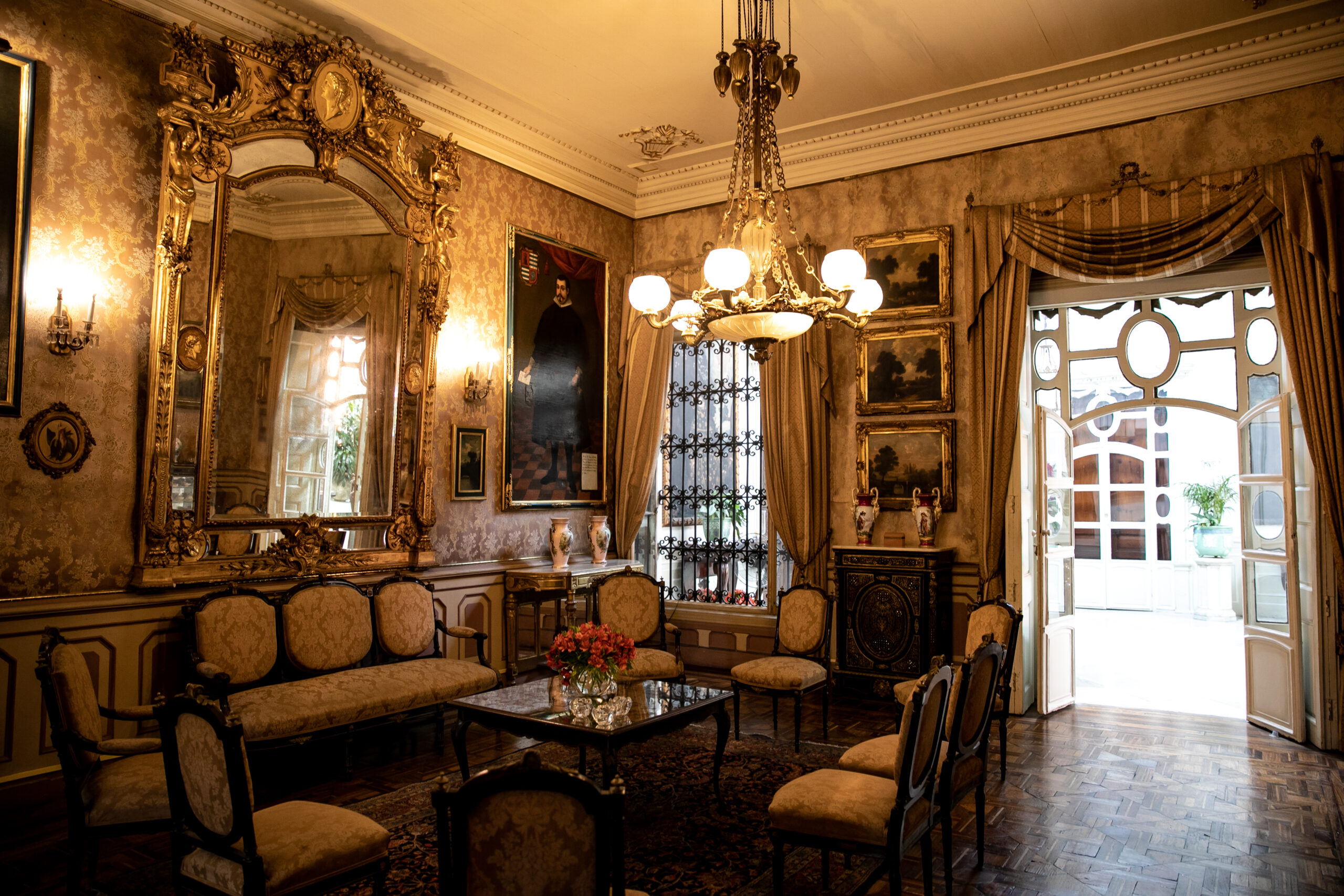
In the entire American continent, there is no other house where the same family has continuously lived since the city’s official foundation. The Aliaga family, for instance, has resided in the same home for 16 generations and over 480 years. Apart from its remarkable family history, Casa Aliaga is a valuable example of viceregal and republican architecture. Its rooms display the popular styles that prevailed in Lima from the 17th to the 19th centuries. The house is also adorned with a significant art collection, enhancing its overall beauty.
If you plan to visit the house, it’s important to remember that simply approaching and knocking on the door won’t suffice. As it is the family’s private residence rather than an open museum, it is crucial to make a reservation and engage an Official Tour Guide to accompany and conduct the visit. The house’s website provides a list of recommended guides, or you can alternatively contact Oscar Oviedo, the creator of the Museos de Lima website and an Official Tour Guide, to inquire about their availability.
Lima is home to a wealth of cultural and historical treasures that should not be missed on your Peru tour. The National Museum of Anthropology, Archaeology, and History, the Museum of the Nation, the Museum of Art, and the Gold Museum are some of the best museums to visit in Lima. These museums offer a glimpse into Peru’s rich past and present and are sure to enhance your understanding and appreciation of the country’s culture and history.
Colourful Peru invites you to experience our country. We are committed to offer you the best options so you can live a Colourful journey. If you want to know more about our suggested journeys, do not hesitate to get in touch with us.
The history of Arequipa, from the Spanish Conquest to Modern Day: Uncovering the Rich Heritage of the ‘White City’
Arequipa, also known as the “White City,” is a destination that should not be missed on any Peru vacation. Located in the southern part of the country, it is a city steeped in history and culture, with a unique blend of indigenous and Spanish influences. This article will delve into the fascinating history of Arequipa, from the time of the Spanish conquest to the present day and highlight some of the must-see attractions for any traveler on a Peru tour.

Arequipa was founded in 1540 by Spanish conquistador Garcí Manuel de Carvajal. The city was built on the site of an ancient indigenous settlement, and it quickly became an important center for trade and agriculture in the region. The Spanish colonizers brought with them new technologies, such as irrigation systems and new crops, which helped to transform the area and make it one of the most prosperous regions in the country.
You can also read: 4 must-see places in Northern Peru
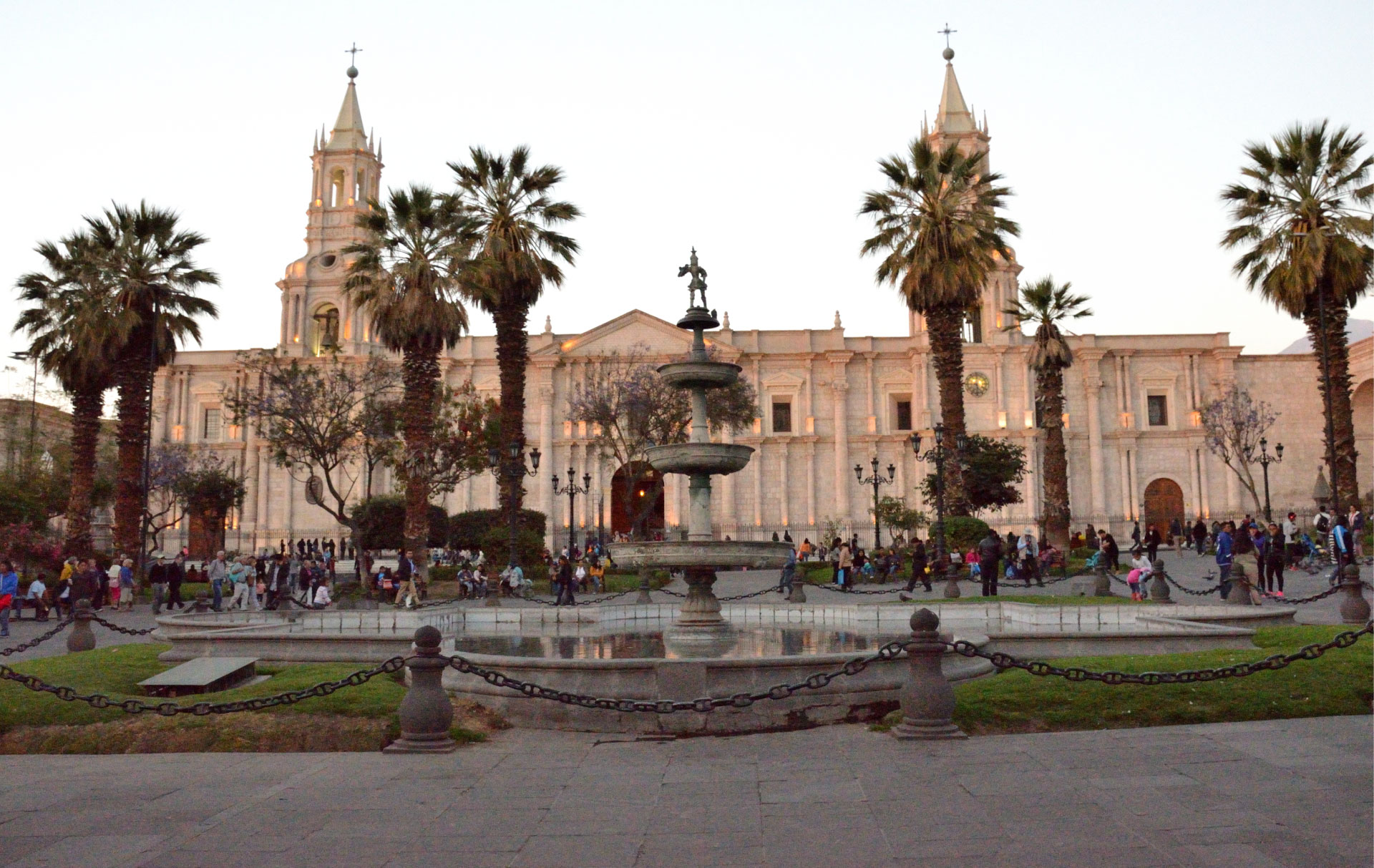
Over the centuries, Arequipa has been shaped by the diverse cultures that have called it home. The Spanish colonizers brought with them their own architecture and building techniques, which can be seen in the city’s many colonial-era buildings. The city’s unique blend of indigenous and European influences is evident in the use of volcanic rock, known as sillar, in many of these buildings. This type of rock is abundant in the area, and it has been used to construct many of the city’s most iconic buildings, such as the Santa Catalina Monastery and the Cathedral of Arequipa.

One of the must-see attractions in Arequipa is the Santa Catalina Monastery, which is a UNESCO World Heritage Site. This beautiful complex was built in the 16th century and is a stunning example of colonial-era architecture. The monastery is home to a community of nuns and is open to visitors, who can explore the various chapels, courtyards, and gardens within the complex.
Another must-see attraction in Arequipa is the Cathedral of Arequipa, which is located in the city’s main square, Plaza de Armas. This grandiose building is a prime example of Spanish colonial architecture and features a mix of baroque and neoclassical styles. Inside the cathedral, visitors can admire the many beautiful works of art and sculptures that adorn the walls and ceilings.
The Yanahuara neighborhood, located on the outskirts of Arequipa, is also worth visiting. This charming neighborhood is home to many traditional houses made of sillar and is known for its picturesque streets and plazas. Visitors can also enjoy great views of the city and the surrounding countryside from the viewpoint located here.
You may also like: 6 things to do in Machu Picchu
For those looking for a more adventurous Peru tour, the Colca Canyon is a must-see destination. The Colca Canyon is one of the deepest canyons in the world and offers visitors the opportunity to hike, bike, or take a scenic drive through the stunning landscape. Along the way, visitors can see the famous Andean condors, which are known for their large wingspans and are often seen soaring over the canyon.
Arequipa, with its rich history and culture, offers visitors a truly unique experience. From the stunning colonial-era architecture to the natural beauty of the Colca Canyon, there is something for everyone to enjoy. Whether you’re interested in history, culture, or adventure, Arequipa is a must-see destination on any Peru vacation. So pack your bags and get ready to explore the “White City” and all it has to offer.
Colourful Peru invites you to experience our country. We are committed to offer you the best options so you can live a Colourful journey. If you want to know more about our suggested journeys, do not hesitate to get in touch with us.
Peru is a country known for its rich history and culture, as well as its stunning natural beauty. One of the most popular destinations in Peru is Machu Picchu, the ancient Incan citadel that is considered one of the most important archaeological sites in the world. However, there is another part of Peru that is just as beautiful and just as rich in history and culture, yet often overlooked by tourists: Tambopata.
Tambopata is a region located in the southern part of Peru, and it is home to some of the most diverse and unique ecosystems in the world. In this guide, we will let you know how to explore Tambopata and show you how to make the most of your Peru travel experience by visiting this hidden gem.

Tambopata is a region located in the southern part of Peru, and it is home to some of the most diverse and unique ecosystems in the world. The region is known for its incredible biodiversity, with over 1,200 bird species, 400 fish species, and 100 mammal species. It is also home to the Tambopata National Reserve, which is one of the most important protected areas in South America.
One of the main attractions of Tambopata is the Tambopata National Reserve, which is home to the largest clay lick in the world. The clay lick is a natural phenomenon where hundreds of parrots, macaws, and other birds come to feed on the clay. This is an incredible sight to see, and it is one of the main reasons why many people visit Tambopata.
Another reason to visit Tambopata is for its wildlife. The region is home to many different species of animals, including monkeys, jaguars, and tapirs. The best way to see the wildlife is by going on a jungle safari, which will take you deep into the jungle and give you the opportunity to see these animals in their natural habitat.
You can also read: How to get to Lake Titicaca
The best way to explore Tambopata is by going on a guided tour. There are many tour operators that offer Peru tours that include Tambopata, and they will take care of all the details for you. These tours typically include transportation, accommodation, meals, and guided activities. Check our suggested journeys including Tambopata.
One of the most popular activities in Tambopata is a jungle safari. These safaris take you deep into the jungle and give you the opportunity to see the wildlife and the natural beauty of the region. It is recommended to take a guided jungle safari, as the guides have the knowledge and experience to safely navigate the jungle and find the best wildlife sightings.
Another popular activity in Tambopata is visiting the clay lick. This natural phenomenon is a must-see for any nature lover, and it is best to visit early in the morning when the most birds are present.
If you are interested in the culture and history of Tambopata, there are also guided tours that take you to visit the local communities and learn about their way of life. These tours give you a unique perspective on the region and its people, and they are a great way to immerse yourself in the culture.

There are many different accommodation options in Tambopata, from basic jungle lodges to luxury eco-lodges. Many of the lodges in Tambopata are located within the Tambopata National Reserve, and they offer visitors the chance to experience the jungle in a comfortable and sustainable way. Some lodges offer basic accommodations, while others offer amenities like private bathrooms and hot water.
To get to Tambopata, you will need to fly to the city of Puerto Maldonado. From there, you will take a boat to the Tambopata National Reserve. It is important to note that Tambopata is a remote area, and it is recommended to plan your trip in advance and to make sure you have all necessary travel documents and vaccinations.
You may also like: 6 things to do in Machu Picchu: The ultimate Peru vacation destination
Tambopata is a hidden gem in Peru that offers visitors the chance to experience the unique biodiversity, culture and history of the region. With its diverse wildlife, Tambopata National Reserve and clay lick, Tambopata is a must-see destination for nature lovers. By going on a guided tour, you can easily explore Tambopata and make the most of your Peru travel experience. Whether you’re interested in wildlife, culture or history, Tambopata has something to offer for everyone.
Colourful Peru invites you to experience our country. We are committed to offer you the best options so you can live a Colourful journey. If you want to know more about our suggested journeys, do not hesitate to get in touch with us.

The northern region of Peru is a treasure trove of history, culture, and natural beauty. From the ancient ruins of the Moche civilization to the stunning landscapes of the Andes, there is something for every type of traveler to discover. Whether you’re planning a Peru tour or a Peru vacation, this guide will help you explore the best that the north has to offer and visit the must-see places in northern Peru.
Peru is a country that is often associated with Machu Picchu, the iconic Incan citadel that is considered one of the new Seven Wonders of the World. While Machu Picchu is certainly a must-see destination, there is so much more to explore in Peru. The northern region of the country is home to a diverse array of cultures, from the indigenous people of the Andes to the communities of the coast.
You can also read: 6 important tips for travelling to Peru
For many visitors to Peru, the northern region is an often-overlooked destination. However, it’s a place that offers a unique and authentic experience, away from the crowds of tourists in more popular destinations like Cusco and Machu Picchu. Whether you’re interested in history, culture, or nature, there are plenty of reasons to add the north of Peru to your travel itinerary.
One of the most popular destinations in the north of Peru is the ancient city of Chan Chan. This UNESCO World Heritage Site was the capital of the Chimu civilization, one of the most powerful pre-Columbian empires in the Americas. The city is made up of a complex network of adobe buildings, including the royal palace of the Chimu king. Visitors can explore the various plazas, temples, and residential areas, and learn about the culture and daily life of the Chimu people.

Another must-see destination in the north is the Moche pyramids. The Moche civilization was active in the region between AD 100 and 800 and left behind a number of impressive architectural feats, including the pyramids of Huaca del Sol and Huaca de la Luna. The pyramids were used for religious and ceremonial purposes, and their impressive size and design testify to the advanced engineering skills of the Moche people.
You may also like: 4 adventure sports in Cusco: the ultimate Peru vacations experience
For those interested in exploring the natural beauty of the north, the Andes mountains are a great option. The Andes are home to a number of national parks and reserves, including Huascarán National Park, which is home to the highest mountain in Peru, Huascarán. Visitors can hike, camp, and explore the diverse flora and fauna of the Andes, and also visit traditional Andean communities and learn about their customs and way of life.

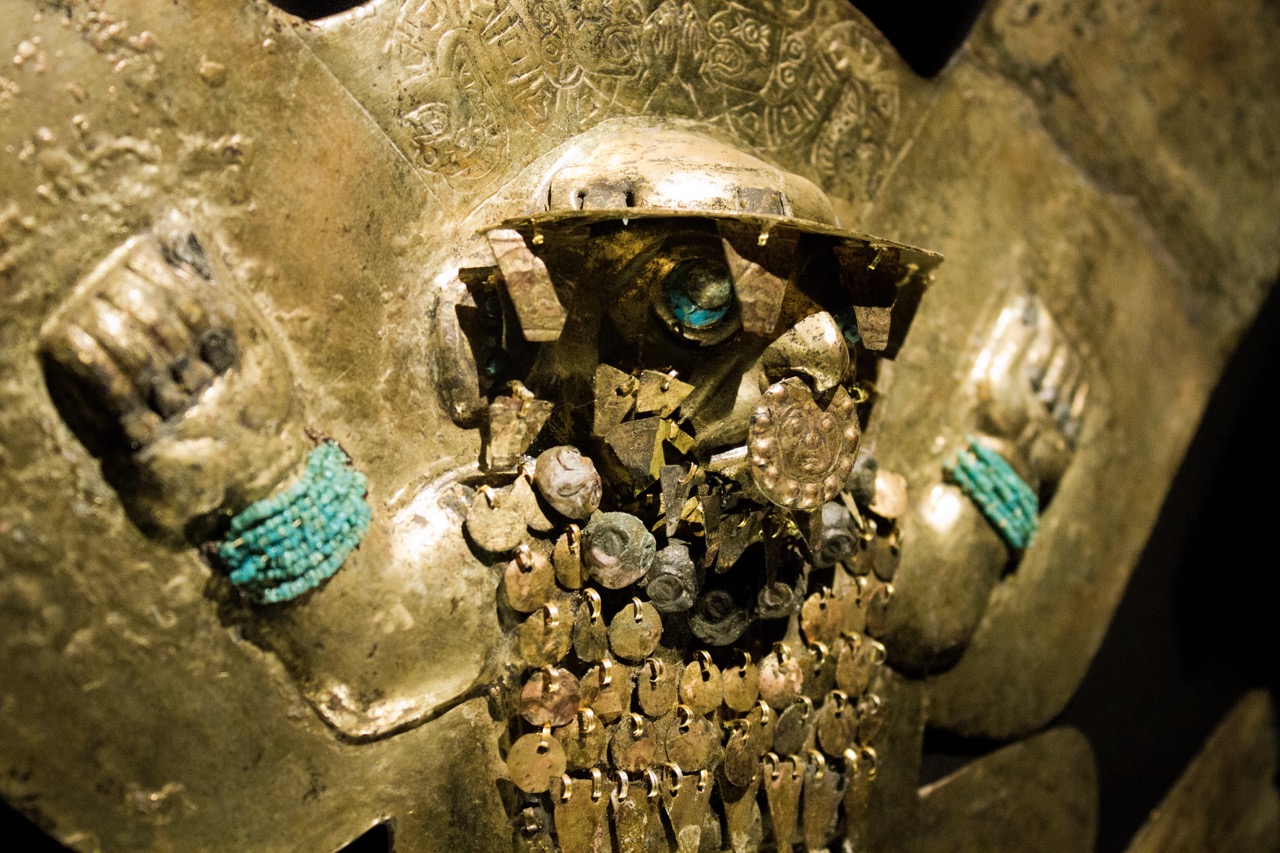
Mácara de oro, Museo Bruning.
Cobertura fotográfica del circuito turístico cultural norte: Bosque de Pómac, Pirámides de Túcume, Museos Bruning, Sicán y Tumbas Reales de Sipán. Chiclayo, Lambayeque, nov 2007. Fotografía/Daniel Silva
One other important destination in the north of Peru that should not be missed is the archaeological site of the Lord of Sipán. This site is located in the Lambayeque region and is considered one of the most important discoveries in the field of Andean archaeology. It is the tomb of the Lord of Sipán, a Moche ruler who ruled around AD 300. The tomb was discovered in 1987 and contained a wealth of artifacts, including gold and silver objects, ceramics and textiles. The artifacts are considered some of the most important examples of Moche art and are on display at the Royal Tombs of Sipán Museum, located nearby the archaeological site.
Visiting the Lord of Sipán is a must for those interested in the Moche civilization and its rich cultural heritage. The tomb and artifacts offer a glimpse into the religious, political and social aspects of the Moche people and their complex society. It is also a great opportunity to learn more about the techniques and skills of Moche goldsmiths and artisans.
In addition to visiting the Lord of Sipán, many visitors also take the opportunity to visit the nearby city of Chiclayo, which is known for its traditional markets, colonial architecture, and rich culture.
In conclusion, the north of Peru is a destination that offers a wealth of cultural, historical and natural wonders. From the ancient ruins of Chan Chan and the Moche pyramids, to the stunning landscapes of the Andes and the culture, there is something for every traveler to discover. So, if you are planning a Peru vacation or a Peru tour, make sure to include the north of Peru in your itinerary and discover the hidden gems that this region has to offer.
Colourful Peru invites you to experience our country. We are committed to offer you the best options so you can live a Colourful journey. If you want to know more about our suggested journeys, do not hesitate to get in touch with us.

Machu Picchu, the ancient Incan citadel nestled high in the Andes Mountains of Peru, is a bucket list destination for many travelers. Here you will find 6 things to do in Machu Picchu. A designated UNESCO World Heritage Site and one of the New Seven Wonders of the World, the ruins of Machu Picchu offer a glimpse into the culture and history of the Inca Empire. Whether you’re a history buff, an outdoor enthusiast, or simply looking for an unforgettable vacation experience, Machu Picchu has something to offer everyone.
Machu Picchu is not just about the ruins; the surrounding area offers a wealth of outdoor activities for visitors to enjoy. The Andes Mountains are home to a diverse array of flora and fauna, and visitors can take part in a variety of activities such or hiking or bird-watching.
One of the most popular hikes in the area is the Wayna Picchu, a steep climb that offers panoramic views of the citadel and the surrounding mountains. The hike takes about two hours round trip and is considered challenging, but the views from the summit are well worth the effort.
For those looking for a more relaxed outdoor experience, the Machu Picchu Pueblo, also known as Aguas Calientes, offers a variety of hot springs where visitors can soak and relax.

You can also read: How to get to Machu Picchu
Located on the Inca Trail, the Inca Bridge is a narrow and steep footpath that was used by the Incas to cross the Urubamba River. The trail is considered challenging but offers breathtaking views of the river and the surrounding mountains.
The Incas were master builders and the terraces at Machu Picchu are a testament to their skill. The terraces were used for agricultural purposes and are still visible today. Visitors can explore the terraces and gain an understanding of the ingenuity of the Incas.
Located near the entrance of Machu Picchu, the Inca Cemetery is believed to have been used for the burials of high-ranking Inca officials. The cemetery is a quiet and peaceful spot, and visitors can take a moment to reflect on the history and culture of the Inca Empire.

The town of Aguas Calientes, also known as Machu Picchu Pueblo, offers a variety of local markets where visitors can purchase souvenirs and gifts. The markets sell a range of items such as hand-woven textiles, pottery, and jewelry.
For those interested in learning more about Peruvian cuisine, taking a cooking class is a great way to gain an understanding of the local flavors and ingredients. Many cooking classes in Aguas Calientes offer hands-on instruction and the opportunity to learn how to make traditional Peruvian dishes.
You may also like: 10 top places to visit in and arround Lake Titicaca
Another activity that visitors to Machu Picchu can consider is visiting the Mandor waterfall. The waterfall is located in the Mandor Valley, a short distance from the citadel. It is considered one of the most beautiful waterfalls in the area and offers a great place to relax and enjoy the natural surroundings.
The Mandor waterfall is reached by hiking through the lush vegetation of the Mandor Valley. The hike is considered easy and takes about an hour round trip. The waterfall is located in a secluded area and visitors can enjoy the peaceful ambiance and the sound of the falling water.
Visitors can also take a guided tour to the waterfall, which includes a visit to the nearby Inca agricultural terraces. The terraces were used for farming and are a great example of the Inca’s ingenuity in using the land for agriculture.
In addition to the waterfall, the Mandor Valley is also home to a variety of bird species, making it a great spot for bird-watching. Visitors can also take a dip in the nearby hot springs, which are believed to have therapeutic properties.
Overall, a Peru vacation is not just about visiting Machu Picchu, there are plenty of other activities to do in and around the area, from outdoor adventure to learning about the local culture and history.
In conclusion, Machu Picchu is a destination that offers something for everyone, from history and culture buffs to outdoor enthusiasts. A Peru vacation is not complete without a visit to this ancient citadel, and the memories of exploring the ruins and the surrounding Andes Mountains will last a lifetime. Whether you choose to hike the Inca Trail, take the train or bus, or simply stroll around the ruins, Machu Picchu is sure to leave a lasting impression.
Colourful Peru invites you to experience our country. We are committed to offer you the best options so you can live a Colourful journey. If you want to know more about our suggested journeys, do not hesitate to get in touch with us.

When planning a vacation to Peru, Cusco is a must-visit destination. This ancient city, located in the Andean mountains, was once the capital of the Incan Empire and is now a UNESCO World Heritage Site. With a rich history and stunning architecture, Cusco offers something for every traveler. Whether you’re interested in ancient ruins, culture, or outdoor activities, you’ll find it all in Cusco. In this article, we’ll highlight the top 5 tourist attractions in Cusco that should not be missed on your Peru tour.
No visit to Cusco is complete without a trip to Machu Picchu, one of the most iconic and visited tourist attraction in Peru. This 15th-century Incan citadel, located on a mountain ridge, is a UNESCO World Heritage Site and one of the most important archaeological sites in South America. Machu Picchu is a must-see for history buffs and those interested in ancient cultures. The best way to visit Machu Picchu is by taking the train from Cusco or Ollantaytambo to Aguas Calientes and then taking a bus up to the citadel.
You can also read: How to get to Machu Picchu

Located just outside of Cusco, Sacsayhuaman is a must-see ancient Incan ruin. The complex is made up of massive stone walls and terraces that were used for religious and military purposes. The walls are made up of enormous stones that fit together perfectly, without the use of mortar. The site offers breathtaking views of Cusco and the surrounding mountains.
Qorikancha, also known as the Temple of the Sun, was once the most important temple in the Incan Empire. The temple was dedicated to the sun god Inti and was covered in gold. The Spanish conquistadors destroyed much of the temple when they arrived in the 16th century, but the foundations and walls remain. Today, the site is home to the Santo Domingo Church, built on top of the Incan temple.
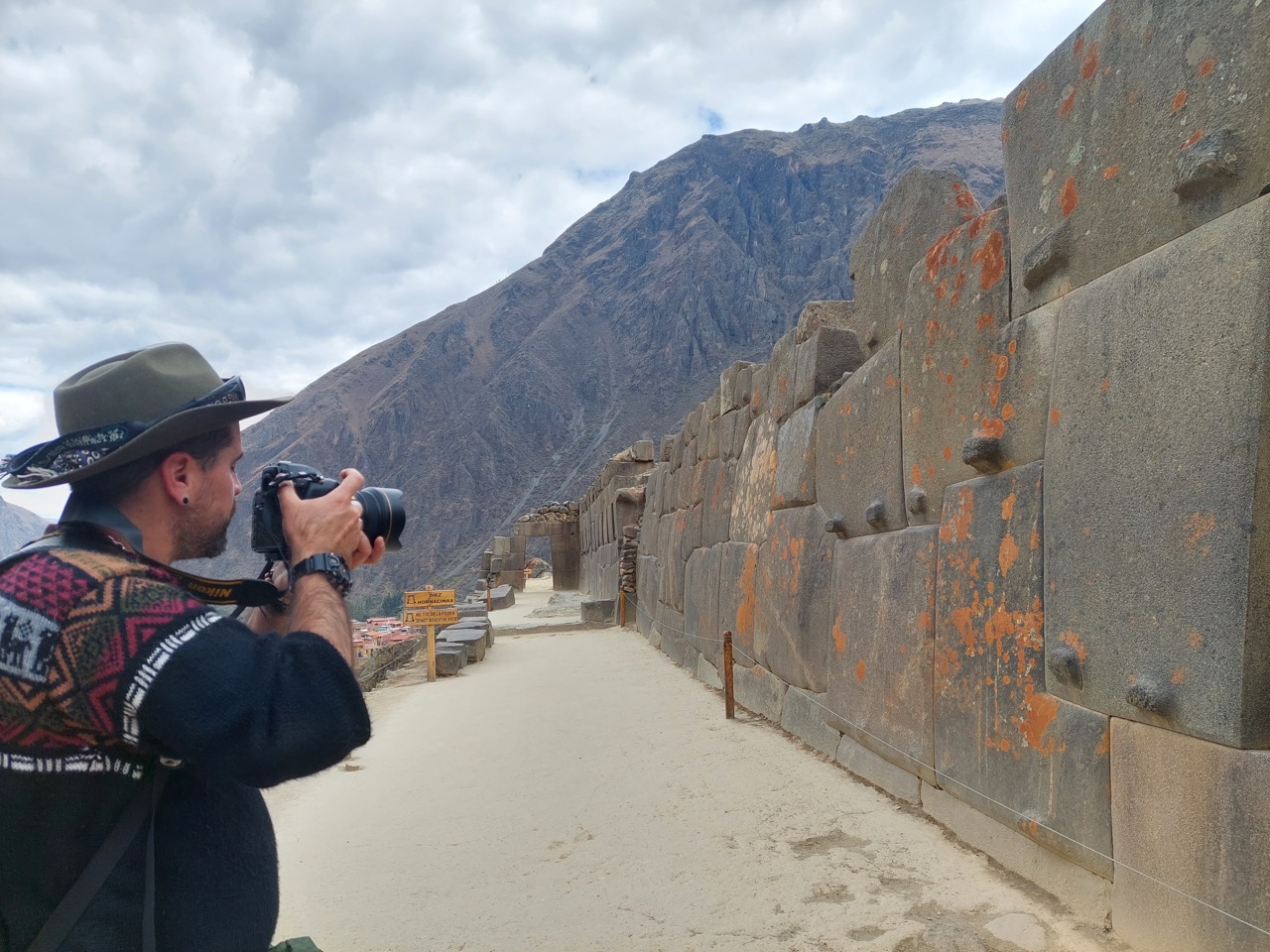
Ollantaytambo is an archaeological site located in the Sacred Valley of the Incas, near Cusco. It is believed to have been built by the Incas during the late 15th century and was used as a military, religious, and agricultural center.
The site features a massive fortress made of large stones, which served as a strategic defense against potential invaders. It also includes a system of terraces and canals for agriculture, as well as a temple complex with religious and ceremonial buildings.
You may also like: 10 must-do activities in the Sacred Valley of the Incas

Pisaq is an ancient Incan ruin located about 30 minutes outside of Cusco. The site is known for its well-preserved terraces and agricultural systems, as well as its impressive stone work. Pisaq is also home to a colourful local market, where you can find traditional Peruvian textiles, crafts, and souvenirs.
One of the most impressive features of Pisac is its intricate stonework, which uses precisely cut and fitted stones without the use of mortar. The site is also notable for its panoramic views of the surrounding mountains and valleys.
Today, Pisac is a popular tourist destination and is often visited as part of a larger tour of the Sacred Valley. Visitors can explore the ancient ruins, hike the terraces, and learn about the rich history and culture of the Inca civilization.
Cusco is a city that offers something for everyone, from ancient ruins to vibrant markets and beautiful architecture. When planning your Peru vacation, be sure to include these top 5 tourist attractions in your itinerary. With a rich history and stunning views, Cusco is a destination that should not be missed on your Peru tour.
Colourful Peru invites you to experience our country. We are committed to offer you the best options so you can live a Colourful journey. If you want to know more about our suggested journeys, do not hesitate to get in touch with us.
Peru is a land of incredible natural beauty, rich culture, and ancient history. One of the most popular destinations in this South American country is the Colca Canyon, a breathtaking gorge that is twice as deep as the Grand Canyon in the United States. Here’s everything you need to know to plan your Peru vacation and make the most of your visit to Colca Canyon.
The Colca Canyon is located in the Andean region of Peru, in the southern part of the country. The closest major city to the canyon is Arequipa, which is a popular starting point for many Peru tours. Arequipa is connected to major cities in Peru by air and bus, and from there, you can take a bus or a tour to the Colca Canyon.
The most popular way to get to Colca Canyon is by taking a tour from Arequipa. These tours typically include transportation, a guide, and accommodation, and they can be arranged by us. It’s also possible to take a bus from Arequipa to the town of Chivay, which is the main access point to the canyon, and then arrange for a guide or a tour once you arrive.

The Colca Canyon is a popular destination for hiking and trekking, and there are several trails that offer spectacular views of the canyon and the surrounding landscape.
Another must-see attraction in Colca Canyon is the Condor’s Cross, a viewpoint that offers an unparalleled view of the canyon and the Andes beyond. It’s one of the best places to see the Andean condors, which are native to the region and are often seen soaring over the canyon.
There are several towns in the Colca Canyon region, including Chivay and Yanque, that offer a variety of accommodation options. In Chivay, you’ll find hotels and hostels, while Yanque offers more luxury options such as Colca Lodge and Belmond Las Casitas. There are also several camping sites in the canyon for those looking for a more rugged adventure.
When it comes to food, the Colca Canyon region offers a variety of traditional Peruvian dishes, as well as international cuisine. Some of the local specialties include trout ceviche, a dish made with raw fish marinated in lime juice, and lomo saltado, a stir-fry made with beef, onions, and tomatoes. There are also several restaurants and cafes in the towns of Chivay and Yanque that offer a wide range of options.

The Colca Canyon is located in a high-altitude region, and it’s important to be prepared for the altitude if you’re planning to hike or trek. Make sure to drink plenty of water, take it easy the first day, and consider taking altitude sickness medication if you’re prone to it.
It’s also important to be mindful of the weather when planning your visit to Colca Canyon. The region can be quite cold and wet, especially at night, so be sure to bring warm clothes and a waterproof jacket.
Overall, a trip to Colca Canyon is a must for any traveler visiting Peru. With its breathtaking scenery, rich culture, and ancient history, it’s sure to be an unforgettable experience.
Colourful Peru invites you to experience our country. We are committed to offer you the best options so you can live a Colourful journey. If you want to know more about our suggested journeys, do not hesitate to get in touch with us.

Our team will be contacting you as soon as possible.
