Cusco is often seen as the gateway to Machu Picchu, but its true essence goes far beyond ancient ruins and postcard landscapes. This city and its surrounding valleys are home to living traditions, ancestral knowledge, vibrant markets and communities that continue to preserve the spirit of the Andes through their daily lives.
For travelers seeking a deeper connection with Peru, cultural immersion in Cusco offers the opportunity to experience the destination through its people, flavors, colors and stories. It is not only about visiting a place, but about understanding how traditions are kept alive and how each experience becomes part of a more meaningful journey.
The best Cusco Cultural Experiences invite travelers to slow down and connect with the local way of life. Instead of simply observing, visitors can participate, learn and share with artisans, cooks, farmers and families who open their doors to show a more authentic side of the region.
From traditional weaving workshops to hands-on cooking classes and visits to local markets, Cusco becomes a destination where culture is not something from the past, but something deeply alive.

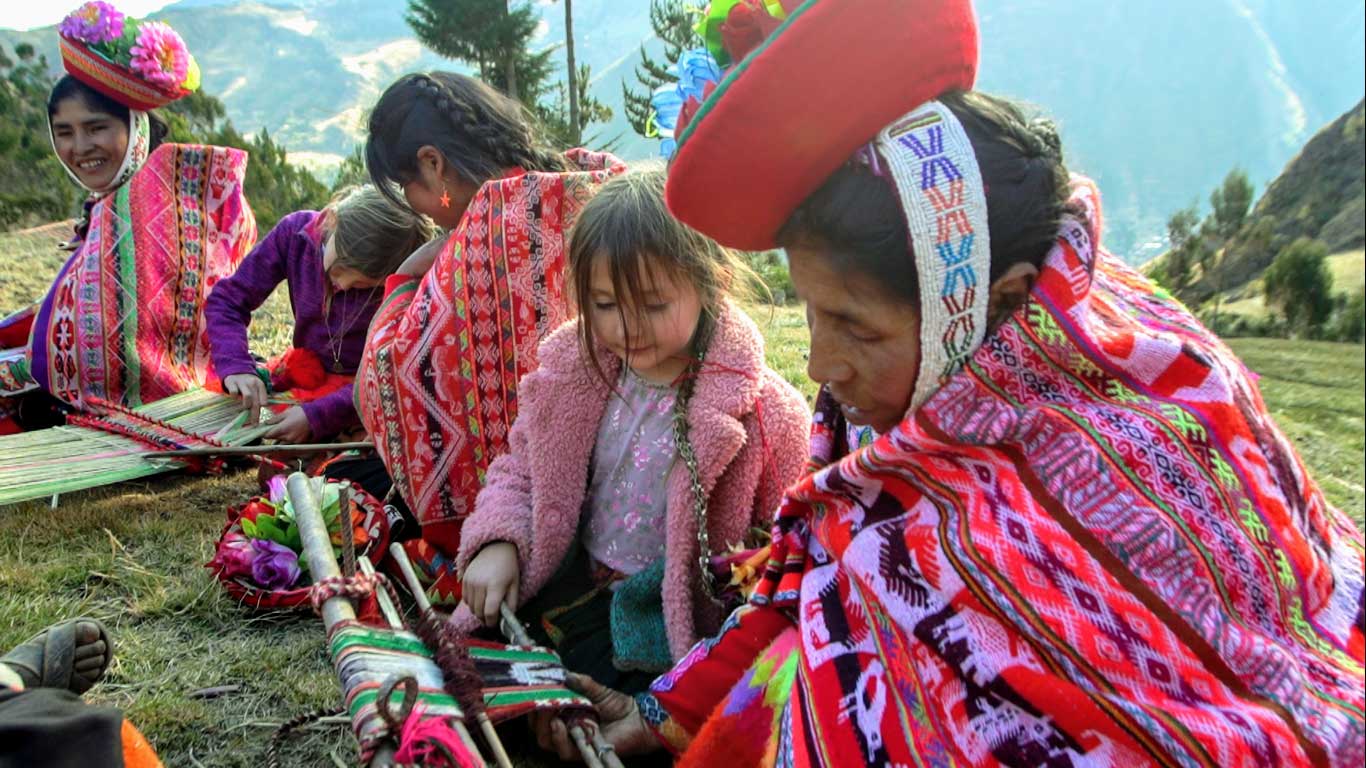
Textiles are one of the most powerful expressions of Andean culture. In Cusco and the Sacred Valley, weaving is much more than a craft; it is a language passed down from generation to generation.
During a weaving workshop, travelers can learn about the entire process behind these beautiful textiles: from spinning alpaca or sheep wool, to dyeing it with natural elements such as plants, flowers, minerals and insects, and finally weaving each piece using traditional techniques.
Every pattern has a meaning. Some represent mountains, rivers, animals or agricultural cycles, while others tell stories connected to the community’s identity. Sharing time with local weavers allows travelers to appreciate not only the beauty of the final piece, but also the patience, knowledge and symbolism behind it.
These workshops are especially meaningful because they support local families and help preserve ancestral techniques that remain central to Andean life.
Food is one of the most enjoyable ways to understand a culture, and Cusco’s cuisine reflects the diversity of the Andes. A cooking class can begin with a visit to a traditional market, where travelers discover native potatoes, Andean grains, fresh herbs, local cheeses, fruits and spices.
Walking through a market in Cusco is an experience in itself. The colors, aromas and conversations reveal the rhythm of local life. It is a place where ingredients are not just products, but part of a culinary heritage shaped by geography, history and family traditions.
After visiting the market, travelers can prepare traditional dishes guided by a local chef or host. Depending on the experience, they may learn how to make a classic Andean soup, a quinoa-based dish, fresh ceviche with a Peruvian twist, or even participate in the preparation of a pachamanca, an ancestral cooking technique using hot stones.
These types of Cusco Cultural Experiences allow visitors to connect with Peru’s renowned gastronomy from a more personal perspective, understanding the origin of the ingredients and the stories behind each recipe.

To truly experience Cusco, it is important to step into its everyday spaces. Local markets, small neighborhoods, artisan workshops and rural communities reveal a side of the destination that is often missed in traditional itineraries.
A visit to a market can show how families shop for daily meals, how vendors proudly present their products and how traditional ingredients continue to be part of modern Peruvian cuisine. In rural areas, travelers may participate in farming activities, learn about native crops or share a meal with a local family.
These encounters offer a more intimate perspective of Cusco. They help travelers understand the connection between the land, the people and their traditions. More than a tour, it becomes an exchange.
One of the most valuable aspects of cultural immersion in Cusco is the opportunity to visit Andean communities in a respectful and responsible way. These experiences are designed to create genuine connections while ensuring that tourism benefits local people directly.
Travelers may learn about agricultural practices, traditional clothing, music, festivities, spiritual beliefs or the role of community work in daily life. In many communities, women play an essential role in preserving traditions through textiles, cooking and storytelling.
For families, couples or small groups, these encounters can become some of the most memorable moments of the trip. They bring a human dimension to travel and allow visitors to see Peru not only as a destination, but as a living culture.
Choosing cultural immersion means choosing a slower, deeper and more conscious way of traveling. It means understanding that luxury is not only found in beautiful hotels or exclusive services, but also in the privilege of accessing authentic experiences that create emotional connections.
In Cusco, travelers can still visit iconic sites such as Sacsayhuamán, the Sacred Valley and Machu Picchu, but complementing these visits with hands-on cultural activities transforms the journey into something much richer.
The most memorable trips are often those that leave travelers with stories, not just photographs. A conversation with a weaver, the aroma of a dish prepared together, the colors of a local market or the warmth of a family welcoming guests into their home can become the true highlights of the journey.
Including Cusco Cultural Experiences in an itinerary adds depth, authenticity and purpose. These activities are ideal for travelers who want to go beyond sightseeing and connect with the cultural identity of Peru.
They are also perfect for families looking for educational experiences, couples seeking meaningful moments, small groups interested in local life, and agencies that want to offer more differentiated programs to their clients.
At Colourful Peru, we believe that Cusco should be experienced not only through its archaeological wonders, but also through its people, traditions and everyday stories. Because when travelers connect with local culture, they take home much more than memories — they take home a deeper understanding of Peru.

Our team will be contacting you as soon as possible.
