Nestled along the stunning coast of Peru lies Paracas, a coastal town renowned for its breathtaking natural beauty, rich marine life, and enigmatic historical sites. One of the most intriguing attractions in Paracas is the mysterious Candelabra, a massive geoglyph etched into the sandy hills overlooking the ocean. Join us on a journey to uncover the wonders of Paracas, from its vibrant marine fauna to the secrets of the ancient Candelabra.

Paracas is a paradise for nature enthusiasts and history buffs alike. Located just a few hours south of Lima, this charming town offers visitors a glimpse into Peru’s diverse ecosystem and fascinating past. Exploring Paracas, you’ll be greeted by azure waters, golden beaches, and rugged cliffs, setting the stage for an unforgettable adventure.
You can also read: Mysteries of Machu Picchu

One of the highlights of any trip to Paracas is exploring its rich marine life. The waters surrounding the Paracas National Reserve teem with an incredible array of sea creatures, making it a haven for snorkelers, divers, and wildlife enthusiasts. Dive beneath the surface, and you’ll encounter playful sea lions, graceful dolphins, and majestic manta rays gliding effortlessly through the depths.
For those who prefer to stay dry, a boat tour offers the perfect opportunity to witness the abundance of marine fauna that call Paracas home. Keep your eyes peeled for pods of bottlenose dolphins frolicking in the waves, or the elusive Humboldt penguins waddling along the rocky shores. Birdwatchers will delight in spotting flocks of colorful seabirds, including flamingos, pelicans, and cormorants, soaring high above the cliffs.

Perched atop a windswept hill overlooking the Paracas Bay stands the enigmatic Candelabra, a giant geoglyph etched into the sandy terrain. Stretching over 180 meters in length, this ancient symbol resembles a three-branched candlestick, hence its name. Believed to have been created by the Paracas culture over 2,000 years ago, the origins and purpose of the Candelabra continue to mystify archaeologists and historians to this day.
Some theories suggest that the Candelabra served as a navigational aid for ancient sailors, guiding them safely through the treacherous waters of the Pacific. Others believe it may have held religious significance, representing celestial bodies or mythical creatures revered by the ancient inhabitants of Paracas. Whatever its true purpose, the Candelabra remains a testament to the ingenuity and creativity of Peru’s indigenous peoples.
No visit to Paracas would be complete without exploring the Paracas National Reserve, a protected area encompassing over 335,000 hectares of desert, ocean, and islands. Embark on a guided tour of the reserve, and you’ll encounter breathtaking landscapes, towering sand dunes, and pristine beaches stretching as far as the eye can see.
Hike along the coastal cliffs, and you’ll be rewarded with panoramic views of the Pacific Ocean crashing against the rugged shoreline below. Explore the otherworldly beauty of the Red Beach, where crimson sands contrast sharply with the azure waters, creating a surreal and captivating scene. And don’t forget to visit the Cathedral Rock, a natural rock formation sculpted by centuries of wind and sea erosion, resembling a towering Gothic cathedral rising from the ocean depths.
You may also like: Art and Culture in Cusco
Paracas is a destination like no other, where ancient mysteries blend seamlessly with natural wonders, creating a truly unforgettable experience for visitors. Whether you’re marveling at the vibrant marine fauna, pondering the secrets of the Candelabra, or exploring the pristine beauty of the Paracas National Reserve, you’ll find yourself enchanted by the magic of this coastal paradise. So pack your bags, and embark on a journey to Paracas, where adventure awaits at every turn.
Colourful Peru invites you to experience our region. We are committed to offer you the best options so you can live a Colourful journey. If you want to know more about our suggested journeys, do not hesitate to get in touch with us.

Perched majestically atop the mist-shrouded peaks of the Andes Mountains in Peru, Machu Picchu stands as a testament to the ingenuity and spirituality of the ancient Inca civilization. Beyond its remarkable architecture and stunning vistas, this iconic citadel is steeped in mystery, with tales of lost cities, sacred rituals, and enigmatic artifacts captivating the imagination of visitors from around the world. Join us on a journey as we delve deep into the mysteries of Machu Picchu, unraveling the secrets that lie hidden within its ancient stones.

The origins of Machu Picchu remain shrouded in mystery, the subject of much speculation and debate among archaeologists and historians. Built during the height of the Inca Empire in the 15th century, this remarkable citadel is believed to have served multiple purposes, from a royal estate for Incan nobility to a sacred sanctuary for religious ceremonies. Some theories even suggest that Machu Picchu was an astronomical observatory or a strategic military outpost. Yet, despite decades of research and excavation, the true purpose of this enigmatic site continues to elude us, adding to its mystique and allure.
You can also read: Art and Culture in Cusco
For centuries, Machu Picchu remained hidden from the outside world, known only to local indigenous communities living in the surrounding mountains. It wasn’t until 1911 when American explorer Hiram Bingham stumbled upon its overgrown ruins, sparking international intrigue and fascination. Since then, Machu Picchu has become one of the most iconic archaeological sites on the planet, drawing millions of visitors each year to marvel at its ancient beauty and unravel its secrets.
Among the many mysteries of Machu Picchu is the Intihuatana Stone, a sacred monument believed to have served as an astronomical observatory or a ritualistic device for the Inca priests. Translated as the “Hitching Post of the Sun,” this intricately carved stone is thought to have been used to mark the solstices and equinoxes, aligning with the movements of the sun and stars. According to Andean belief, the Intihuatana Stone has the power to harness cosmic energy, connecting the earthly realm with the celestial heavens above.

Photo: Luis Gamero – PromPeru
Another intriguing feature of Machu Picchu is the Temple of the Condor, a ceremonial complex dedicated to the Andean bird of prey. Carved into the natural rock formations, this sacred site is thought to have been used for rituals and ceremonies, possibly even as a place of worship or sacrifice. Legend has it that the condor symbolized the connection between the heavens and the earth, serving as a messenger between the mortal world and the divine realm.
At the heart of Machu Picchu lies the Sacred Plaza, a bustling hub of activity in ancient times. Surrounded by impressive architectural marvels, including the Temple of the Sun and the Principal Temple, this central square served as the ceremonial and administrative center of the citadel. Here, rulers made decisions, priests conducted rituals, and the spiritual essence of the Inca civilization thrived, imbuing the site with a palpable sense of mysticism and reverence.
Throughout the centuries, Machu Picchu has been the subject of numerous legends and myths, passed down through generations of indigenous peoples and Andean cultures. According to Inca mythology, the site was created by the god Viracocha himself, who molded the mountains and sculpted the valleys with divine hands. Others believe that Machu Picchu was a place of refuge for the elite and the chosen few, a sanctuary where they could commune with the gods in times of need and seek guidance from the spiritual forces that governed their lives.
You may also like: Lima: Historic Centre and its monuments
As we conclude our exploration of the mysteries of Machu Picchu, we are left with a profound sense of awe and wonder at the ingenuity and spirituality of the ancient Inca civilization. From its enigmatic origins to its sacred rituals and legendary tales, this iconic citadel continues to captivate the hearts and minds of travelers from around the globe. Whether you come to marvel at its architectural wonders, immerse yourself in its rich history, or simply bask in its breathtaking beauty, Machu Picchu offers a journey of discovery unlike any other, inviting you to unlock its secrets and uncover the mysteries that lie hidden within its ancient walls.
Colourful Peru invites you to experience our region. We are committed to offer you the best options so you can live a Colourful journey. If you want to know more about our suggested journeys, do not hesitate to get in touch with us.

Nestled high in the Andes Mountains of Peru, Cusco is a city steeped in history, culture, and art. While Machu Picchu rightfully garners much of the attention, Cusco offers a rich tapestry of artistic expression and cultural heritage that extends far beyond the iconic ruins. In this article, we delve into the vibrant art scene, historical landmarks, and cultural treasures that make Cusco a destination worth exploring beyond the famed Machu Picchu.

Photo: Enrique Nordt / PROMPERÚ
Cusco has long been a hub of artistic expression, blending indigenous traditions with Spanish influences to create a unique cultural identity. Visitors can immerse themselves in this artistic heritage by exploring the city’s many galleries, workshops, and markets.
You can also read: Lima: Historic Centre and its monuments
Located in a beautifully restored colonial mansion, the Museo de Arte Precolombino showcases a stunning collection of pre-Columbian artifacts. From intricately crafted pottery to ceremonial textiles, the museum offers insight into the rich artistic traditions of the region’s indigenous cultures.
Known as the artisan quarter of Cusco, the San Blas district is a labyrinth of narrow cobblestone streets lined with workshops and galleries. Here, visitors can watch skilled artisans at work, creating everything from traditional textiles to contemporary paintings. The district is also home to numerous boutiques selling handmade crafts and souvenirs, making it the perfect place to pick up a unique memento of your time in Cusco.
Once the most important temple in the Inca Empire, Qorikancha is now home to the Convent of Santo Domingo and a fascinating museum showcasing the site’s history. While the exterior of the temple is impressive in its own right, it’s the intricate stonework and exquisite gold leaf decorations inside that truly showcase the artistic prowess of the Inca civilization.

In addition to its artistic heritage, Cusco is also home to a wealth of historical landmarks that offer insight into the city’s rich cultural heritage.
Perched on a hill overlooking Cusco, the ruins of Sacsayhuamán are a testament to the engineering prowess of the Inca civilization. The site is best known for its massive stone walls, constructed from enormous boulders carefully cut and fitted together without mortar. Visitors can explore the ruins and marvel at the ingenuity of the Inca builders while enjoying panoramic views of the city below.
At the heart of Cusco lies the Plaza de Armas, a bustling square surrounded by colonial-era buildings and dominated by the imposing Cathedral of Santo Domingo. The plaza is a vibrant hub of activity, with locals and tourists alike gathering to soak in the atmosphere and admire the architecture. In the evenings, the plaza comes alive with street performers and vendors selling traditional snacks, providing a taste of Cusco’s lively cultural scene.
One of the most important festivals in the Inca calendar, Inti Raymi celebrates the winter solstice and the sun god Inti. Held annually in June, the festival features colorful processions, traditional music and dance performances, and elaborate reenactments of Inca rituals. Visitors to Cusco during Inti Raymi can witness this spectacular celebration of Andean culture and tradition firsthand, gaining a deeper understanding of the city’s cultural significance.
You may also like: How to adapt to the altitud in the Andean Mountains
While Machu Picchu may be the crown jewel of Peruvian tourism, Cusco offers a wealth of artistic and cultural treasures waiting to be discovered. From its vibrant art scene to its rich historical landmarks, the city provides a fascinating glimpse into Peru’s rich cultural heritage. Whether you’re exploring the galleries of San Blas or marveling at the ruins of Sacsayhuamán, a visit to Cusco promises to be an enriching experience that goes beyond the iconic wonders of Machu Picchu. So why not extend your Peru trip and immerse yourself in the art and culture of Cusco?
Colourful Peru invites you to experience our region. We are committed to offer you the best options so you can live a Colourful journey. If you want to know more about our suggested journeys, do not hesitate to get in touch with us.

Lima, the capital city of Peru, is a treasure trove of history and charm. Its Historic Centre, declared a UNESCO World Heritage Site in 1988, is a testament to the city’s rich cultural heritage and colonial past. In this article, we’ll take you on a virtual tour through the Historic Centre of Lima, exploring its iconic monuments, hidden gems, and vibrant atmosphere.
As you wander through Lima’s Historic Centre, you’ll be transported back in time to the colonial era. The area is filled with beautifully preserved buildings, grand plazas, and charming cobblestone streets. Begin your journey at Plaza Mayor, the heart of Lima’s Historic Centre. This spacious square is surrounded by some of the city’s most important buildings, including the Government Palace, the Cathedral of Lima, and the Archbishop’s Palace.

The Government Palace, also known as the Palacio de Gobierno, is one of Lima’s most iconic landmarks. Built in the 16th century, this majestic building serves as the official residence of the President of Peru. Visitors can admire its impressive architecture and beautiful facades, adorned with intricate carvings and ornate balconies. Don’t miss the Changing of the Guard ceremony, which takes place in front of the palace every day at noon.
You can also read: How to adapt to elevation in the Andean Mountains
Located on the eastern side of Plaza Mayor, the Cathedral of Lima is a masterpiece of colonial architecture. Construction of this magnificent cathedral began in the 16th century and continued for over 80 years. Step inside to marvel at its stunning interiors, which feature intricate woodwork, exquisite altars, and impressive religious artworks. Be sure to visit the tomb of Francisco Pizarro, the Spanish conquistador who founded Lima in 1535.
Adjacent to the Cathedral, the Archbishop’s Palace is another must-visit attraction in Lima’s Historic Center. This elegant building serves as the official residence of the Archbishop of Lima and houses a fascinating museum showcasing religious artifacts and historical treasures. Take a guided tour to learn about the palace’s rich history and explore its beautifully decorated rooms and courtyards.

After exploring the main plazas and monuments, take some time to wander through the charming streets of Lima’s Historic Center. You’ll find yourself surrounded by colonial-era mansions, colorful facades, and quaint cafes. Don’t miss Calle de las Pizzas, a bustling street lined with restaurants and bars, perfect for sampling traditional Peruvian cuisine and enjoying the vibrant nightlife.
In addition to its well-known landmarks, Lima’s Historic Center is home to several hidden gems waiting to be discovered. Take a stroll down Jirón de la Unión, a pedestrian street lined with shops selling handicrafts, souvenirs, and local delicacies. Visit the San Francisco Convent and Catacombs, an architectural marvel dating back to the 17th century, where you can explore underground tunnels and crypts filled with human bones.
You may also like: Exploring unique attractions in Salar de Uyuni
Lima’s Historic Center is a true gem of South America, offering visitors a glimpse into the city’s rich history and cultural heritage. Whether you’re exploring its iconic monuments, wandering through its charming streets, or discovering its hidden gems, you’re sure to be enchanted by the beauty and charm of this historic neighborhood. So, lace up your walking shoes and embark on a journey through Lima’s past, where every corner tells a story and every step reveals a piece of history.
Colourful Peru invites you to experience our region. We are committed to offer you the best options so you can live a Colourful journey. If you want to know more about our suggested journeys, do not hesitate to get in touch with us.

Welcome to the majestic Andean mountains, where towering peaks and ancient ruins await your exploration. As you embark on your journey through this breathtaking landscape, one of the most important factors to consider is the altitude. Peru’s high elevation can pose a challenge for travelers, but with the right knowledge and preparation, you can fully enjoy your experience without feeling the effects of altitude sickness. In this guide, we’ll explore how to adapt to elevation in the Andean mountains, ensuring a smooth and enjoyable trip.
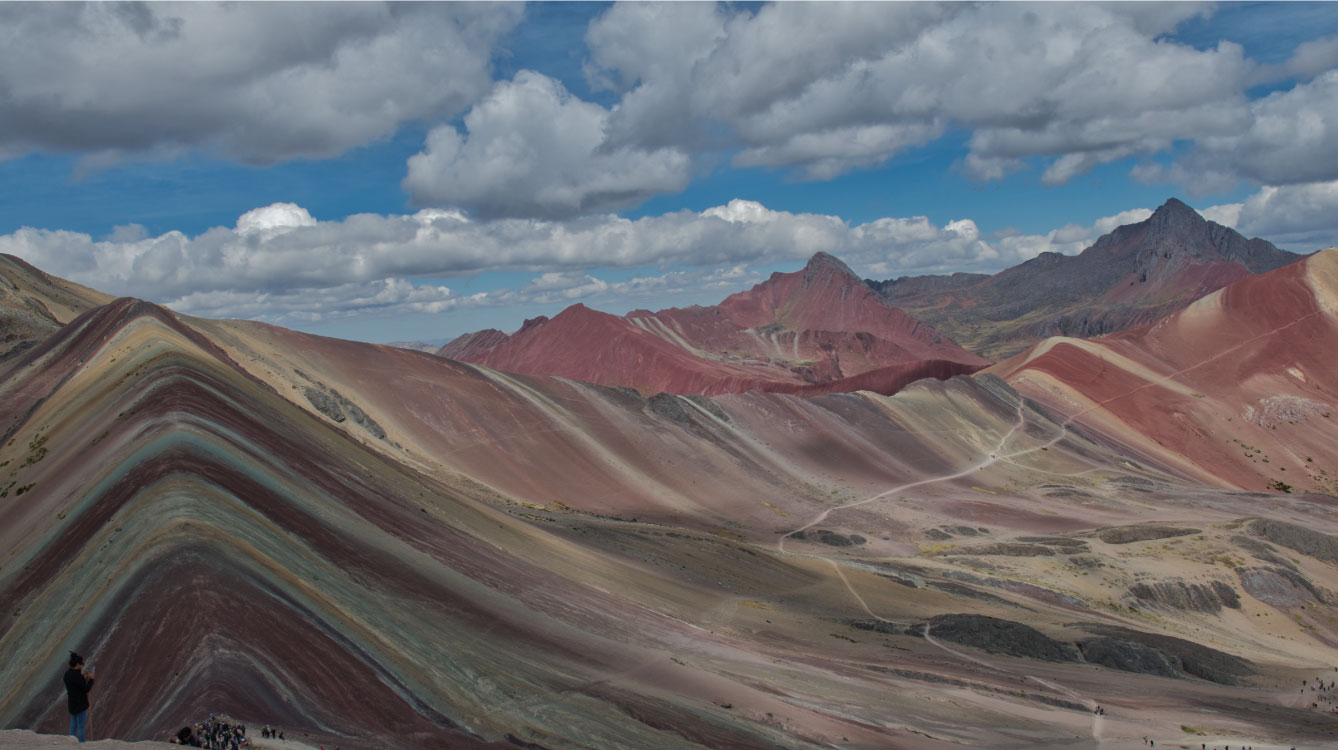
Before delving into adaptation strategies, it’s essential to understand the effects of high altitude on the body. As you ascend to higher elevations, the air becomes thinner, containing less oxygen molecules per breath. This decrease in oxygen can lead to altitude sickness, characterized by symptoms such as headaches, nausea, fatigue, and shortness of breath. It’s crucial to recognize these symptoms and take appropriate measures to mitigate their impact.
You can also read: Exploring unique attractions in Salar de Uyuni
Proper preparation is key to minimizing the effects of altitude sickness. Before your trip to the Andean mountains, consider the following tips:
Allow your body time to adjust to the higher elevation by gradually ascending to higher altitudes. If possible, plan your itinerary to include a few days at intermediate elevations before reaching higher altitudes. This gradual approach allows your body to acclimate more effectively, reducing the risk of altitude sickness.

Hydration is essential at high altitudes, as the dry mountain air can lead to increased water loss through respiration and perspiration. Be sure to drink plenty of water throughout your journey to prevent dehydration, which can exacerbate symptoms of altitude sickness.
Fuel your body with high-carbohydrate foods such as grains, fruits, and vegetables, which provide a steady source of energy at high altitudes. Avoid heavy or greasy meals, which can be difficult to digest and may worsen symptoms of altitude sickness.
Alcohol and caffeine can exacerbate dehydration and may increase the risk of altitude sickness. Limit your consumption of these beverages during your time in the Peruvian mountains, opting instead for water and herbal teas.
You may also like: The architecture of La Paz
Once you’ve arrived at higher elevations, there are several strategies you can employ to adapt to the altitude and minimize discomfort:
Avoid overexerting yourself during physical activities, especially in the first few days at high altitude. Take frequent breaks, pace yourself, and listen to your body’s signals. It’s okay to modify your itinerary or skip strenuous activities if you’re feeling unwell.
Practice deep breathing exercises to increase oxygen intake and improve oxygenation of the blood. Take slow, deep breaths, focusing on filling your lungs completely with each inhalation. This simple technique can help alleviate symptoms of altitude sickness and promote relaxation.
Exploring the Andean mountains is a once-in-a-lifetime experience, but it’s important to be mindful of the challenges posed by high altitude. By understanding the effects of altitude, preparing accordingly, and employing adaptation strategies, you can fully enjoy your time in this breathtaking landscape without being hindered by altitude sickness. Remember to listen to your body, stay hydrated, and take it slow as you embark on your altitude adventure in the Andean mountains.
Colourful Peru invites you to experience our region. We are committed to offer you the best options so you can live a Colourful journey. If you want to know more about our suggested journeys, do not hesitate to get in touch with us.
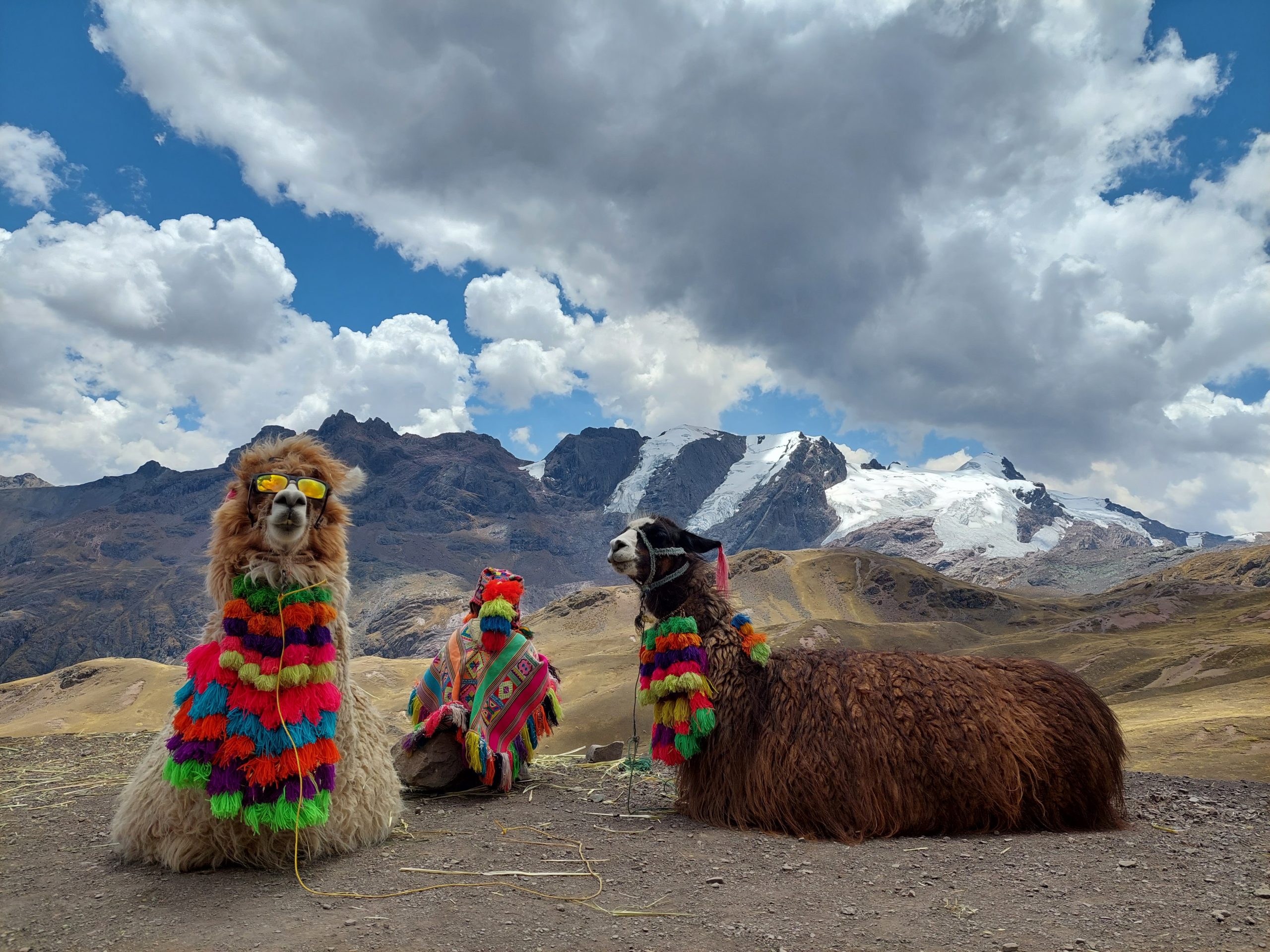
Nestled in the heart of Bolivia lies a natural wonder that captivates travelers from around the globe: Salar de Uyuni. As the largest salt flat on Earth, spanning over 10,000 square kilometers, this mesmerizing landscape offers an otherworldly experience like no other. While the vast expanse of salt is undeniably breathtaking, it’s the unique attractions scattered across the Salar that truly set it apart. In this article, we delve into some of the most fascinating attractions in Salar de Uyuni, including Isla Incahuasi, Ojos de Sal, and more.

One of the most iconic landmarks within Salar de Uyuni is Isla Incahuasi, also known as “Isla del Pescado” due to its fish-like shape when viewed from afar. Rising dramatically from the salt flat, this rocky outcrop is adorned with towering cacti, some reaching heights of over 10 meters. As visitors traverse the island’s rugged terrain, they’re treated to panoramic views of the shimmering salt crust stretching endlessly in every direction. Additionally, Isla Incahuasi offers opportunities for birdwatching, with flamingos and other avian species often spotted in the surrounding saltwater lagoons.
You can also read: The architecture of La Paz
Venturing further into the Salar, travelers encounter another remarkable feature known as Ojos de Sal, or “Eyes of Salt.” These natural saltwater springs emerge from beneath the salt crust, forming circular pools that glisten in the sunlight. The high mineral content of these pools gives them their distinctive turquoise hue, creating a striking contrast against the stark white landscape. Ojos de Sal not only provide a surreal photo opportunity but also serve as a vital water source for local wildlife, attracting an array of birdlife and other fauna.
For history enthusiasts, a visit to the Train Cemetery on the outskirts of Uyuni is a must. This eerie yet fascinating site is home to a collection of rusting locomotives and train cars, remnants of Bolivia’s once-thriving railway industry. As visitors wander among the decaying machinery, they’re transported back in time to an era when steam trains traversed the country’s rugged terrain. The Train Cemetery offers a unique glimpse into Bolivia’s industrial heritage and provides endless opportunities for exploration and photography.

While Salar de Uyuni is a sight to behold during the day, it takes on a whole new level of magic under the cover of night. With minimal light pollution and clear skies stretching as far as the eye can see, the salt flats provide the perfect backdrop for stargazing. Visitors can marvel at the Milky Way as it arcs overhead, with thousands of stars illuminating the vast expanse of salt below. For those seeking an unforgettable experience, camping overnight on the salt flats offers the chance to witness the spectacle of a sunrise over the otherworldly landscape.
Salar de Uyuni is a place of unparalleled beauty and wonder, where the boundaries between earth and sky seem to blur. From the towering cacti of Isla Incahuasi to the shimmering pools of Ojos de Sal, every corner of this salt flat holds a unique charm waiting to be discovered. Whether exploring by day or marveling at the celestial display by night, a journey to Salar de Uyuni promises an experience that will linger in the memory long after the salt has dissolved beneath your feet. Embrace the extraordinary and embark on an adventure to one of Bolivia’s most captivating destinations.
You may also like: Bolivian traditional dishes you can´t miss
With its unique attractions and surreal landscapes, Salar de Uyuni truly stands out as a must-visit destination for travelers seeking adventure and wonder. From the iconic Isla Incahuasi to the mysterious Ojos de Sal, there’s no shortage of sights to explore within this vast salt flat. So pack your bags, prepare your camera, and set out to discover the magic of Salar de Uyuni for yourself.
Colourful Peru invites you to experience our region. We are committed to offer you the best options so you can live a Colourful journey. If you want to know more about our suggested journeys, do not hesitate to get in touch with us.
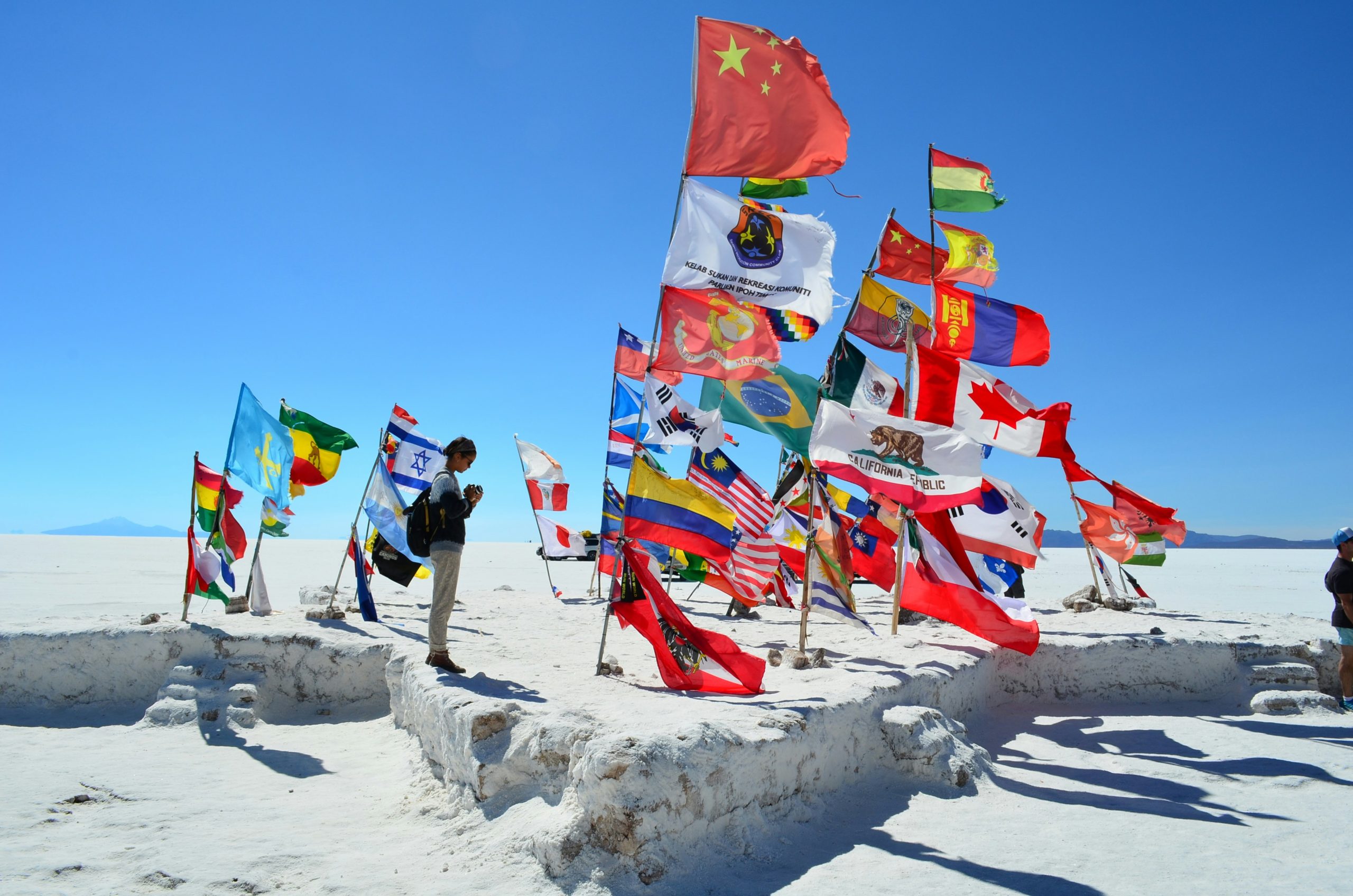
Nestled in the high-altitude embrace of the Andes Mountains, La Paz stands as a testament to Bolivia’s rich cultural heritage and historical significance. Beyond its breathtaking natural landscapes, the city boasts a tapestry of architectural marvels that chronicle its evolution from colonial outpost to vibrant metropolis. Join us as we embark on a journey through the streets of La Paz, exploring the diverse architectural wonders that define its unique character.

At the heart of La Paz lies its colonial heritage, a legacy of Spanish conquest and indigenous influence. Wander through the narrow cobblestone streets of the historic center, where ornate colonial buildings stand in contrast to the modern skyline. One of the most iconic landmarks is the Plaza Murillo, home to the Presidential Palace and the Metropolitan Cathedral, both magnificent examples of colonial architecture. Take a moment to admire the intricate facades adorned with Baroque details, a testament to the craftsmanship of generations past.
You can also read: Bolivian flavors: Traditional dishes you can’t miss
As you venture beyond the colonial core, you’ll discover the vibrant tapestry of indigenous architecture that imbues La Paz with its unique character. Explore the bustling markets of El Alto, where Aymara traditions come to life in the colorful woven textiles and intricately carved woodwork. Visit the Witches’ Market, where ancient Andean beliefs blend seamlessly with Catholic rituals, and marvel at the traditional adobe dwellings that dot the city’s outskirts. Each structure tells a story of resilience and adaptation, a testament to the enduring spirit of Bolivia’s indigenous peoples.

While La Paz may be steeped in history, it is also a city on the move, constantly evolving to meet the demands of the modern world. From sleek skyscrapers to innovative urban design projects, the cityscape of La Paz is a testament to its dynamic spirit. Head to the southern neighborhoods of Sopocachi and San Jorge, where contemporary architecture mingles with historic charm, creating a vibrant urban landscape. Don’t miss the breathtaking views from the Mirador Killi Killi, where you can marvel at the city’s skyline framed by the majestic peaks of the Andes.
You may also like: Diving and snorkeling in the Galápagos Islands
For those willing to venture off the beaten path, La Paz offers a wealth of hidden architectural gems waiting to be discovered. Explore the bohemian neighborhood of Calacoto, where colonial mansions have been transformed into trendy cafes and art galleries. Visit the surreal Mirador Laikakota, a concrete UFO-shaped structure that offers panoramic views of the city below. And don’t forget to seek out the eclectic street art that adorns the walls of La Paz, a colorful celebration of urban creativity and expression.
As La Paz continues to grow and evolve, the preservation of its architectural heritage remains paramount. Organizations such as the National Institute of Culture work tirelessly to safeguard historic buildings and promote cultural preservation initiatives. From restoration projects to heritage tours, efforts are underway to ensure that future generations can continue to appreciate the architectural wonders of La Paz. By embracing the past while embracing the future, La Paz is poised to remain a beacon of cultural richness and architectural excellence for years to come.
In the heart of Bolivia, amidst the rugged beauty of the Andes, lies the architectural treasure trove of La Paz. From its colonial heritage to its indigenous roots, from its modern marvels to its hidden gems, the city offers a glimpse into the rich tapestry of Bolivian culture and history. As you wander through its streets and alleys, take a moment to appreciate the architectural wonders that surround you, for they are a testament to the resilience and ingenuity of the people who call La Paz home. So whether you’re a history buff, an architecture aficionado, or simply a curious traveler, be sure to add La Paz to your list of must-visit destinations. For in this city at high altitude, adventure awaits around every corner, just waiting to be discovered.
Colourful Peru invites you to experience our region. We are committed to offer you the best options so you can live a Colourful journey. If you want to know more about our suggested journeys, do not hesitate to get in touch with us.
Bolivia, with its rich cultural tapestry and diverse landscapes, offers not only breathtaking sights but also a tantalizing array of traditional dishes that reflect its vibrant heritage. From the bustling streets of La Paz to the serene shores of Lake Titicaca, Bolivian cuisine showcases a fusion of indigenous ingredients and culinary influences from Spanish, African, and Andean cultures. In this culinary journey, we explore some of the must-try Bolivian traditional dishes that will undoubtedly leave a lasting impression on your taste buds.

Photo: chipabythedozen
Salteñas are perhaps one of Bolivia’s most beloved street foods, resembling a baked empanada filled with a savory mix of meat, potatoes, peas, and spices. These hand-held delights are often enjoyed as a breakfast or mid-morning snack, with vendors lining the streets of La Paz enticing passersby with their aromatic offerings. The secret to the perfect salteña lies in the dough, which should be flaky and golden, providing the perfect vessel for the delicious filling.
You can also read: Diving and snorkeling in the Galapagos Islands
Originating from the Cochabamba region, silpancho is a hearty dish that combines elements of comfort food with bold flavors. It typically consists of thinly pounded beef or llama meat, breaded and fried to crispy perfection, served atop a bed of rice and accompanied by fried eggs, sliced potatoes, and a generous serving of salsa criolla. The contrasting textures and vibrant colors make silpancho a feast for both the eyes and the palate, earning it a spot as a favorite among locals and visitors alike.
For those craving a fiery culinary adventure, pique a lo macho delivers an explosion of flavors that is sure to satisfy even the most adventurous palate. This hearty dish features tender strips of beef or llama meat, sautéed with onions, tomatoes, and a variety of spices, including the infamous rocoto pepper, known for its intense heat. Served atop a bed of french fries and accompanied by boiled eggs, sliced tomatoes, and spicy llajwa sauce, pique a lo macho is a dish not for the faint of heart but certainly worth the culinary challenge.

Photo: Alfonso Zavala – PROMPERÚ
Chuño holds a special place in Bolivian cuisine as a traditional staple derived from freeze-dried potatoes native to the Andean highlands. Prepared through a labor-intensive process that involves exposing potatoes to freezing temperatures and intense sunlight, chuño boasts a unique texture and flavor profile that pairs perfectly with hearty stews and soups. Whether enjoyed in a comforting bowl of sopa de maní (peanut soup) or as a side dish alongside grilled meats, chuño offers a taste of Andean tradition that has stood the test of time.
No culinary journey through Bolivia would be complete without indulging in api con pastel, a beloved combination of warm corn pudding served with crispy deep-fried pastries known as pastelitos. Often enjoyed as a comforting breakfast or afternoon snack, api con pastel delights the senses with its sweet aroma and rich flavors. The vibrant yellow hue of the api, derived from purple corn, adds a visual appeal that is as enticing as its taste, making it a popular choice among locals during the chilly Andean mornings.
You may also like: Tambopata: Exploring the biodiversity of the Amazon Rainforest
Bolivia’s culinary landscape is as diverse and captivating as its geography, offering a tantalizing array of traditional dishes that celebrate the country’s rich cultural heritage. From the savory delights of salteñas and silpancho to the spicy sensations of pique a lo macho and the comforting warmth of api con pastel, each dish tells a story of tradition, innovation, and the vibrant flavors of the Andes. Whether you’re exploring the bustling markets of La Paz or venturing off the beaten path to discover hidden culinary gems, be sure to indulge in these must-try dishes for an unforgettable taste of Bolivia.
Colourful Peru invites you to experience our country. We are committed to offer you the best options so you can live a Colourful journey. If you want to know more about our suggested journeys, do not hesitate to get in touch with us.

The Galápagos Islands, renowned for their unparalleled biodiversity and unique ecosystems, offer an extraordinary opportunity for travelers to immerse themselves in the enchanting world beneath the waves. Diving and Snorkeling in the Galápagos Islands: Through snorkeling and diving adventures, visitors can encounter a mesmerizing array of marine life, from graceful sea turtles to playful sea lions and elusive hammerhead sharks. Join us as we delve into the depths of the Galápagos Islands and discover the wonders that await beneath the surface:

Photo: Maja Novak
Witness the Beauty of Underwater Gardens:
Snorkeling in the crystal-clear waters surrounding the Galápagos Islands unveils a world of vibrant marine life and stunning coral reefs. As you glide effortlessly through the water, you’ll be captivated by the kaleidoscope of colors displayed by tropical fish darting amongst the corals. Keep your eyes peeled for iconic Galápagos species such as the majestic eagle ray and the elusive marine iguana, uniquely adapted to life beneath the waves.
You can also read: Tambopata: Exploring the biodiversity of the Amazon Rainforest
Encounter Gentle Giants:
One of the highlights of snorkeling in the Galápagos Islands is the opportunity to swim alongside gentle giants such as the magnificent whale shark. These peaceful creatures, the largest fish in the ocean, frequent the waters surrounding the islands, offering unforgettable encounters for lucky snorkelers. Witnessing these majestic creatures gliding gracefully through the water is a truly humbling experience that will stay with you long after your adventure has ended.

Photo: Jeremy Bishop
Discover Hidden Treasures:
For those seeking a more immersive experience, diving in the Galápagos Islands provides unparalleled opportunities to explore the depths of the ocean. Descend into the abyss and discover hidden treasures such as underwater caves, volcanic formations, and shipwrecks teeming with marine life. Keep your camera ready to capture mesmerizing encounters with schools of colorful fish, graceful manta rays, and elusive hammerhead sharks cruising through the depths.
Experience Thrilling Encounters:
Diving in the Galápagos Islands offers adrenaline-fueled encounters with some of the ocean’s most iconic predators. Descend into the blue and come face to face with schools of hammerhead sharks, known for their distinctive silhouettes and graceful movements. Witnessing these apex predators in their natural habitat is a thrilling experience that will leave you in awe of the wonders of the underwater world.
You may also like: Manu National Park: Conservation and wildlife encounter
Commitment to Sustainability:
As stewards of the environment, it is essential to approach snorkeling and diving in the Galápagos Islands with a commitment to conservation and preservation. Respect the delicate balance of the marine ecosystem by adhering to responsible snorkeling and diving practices, such as avoiding contact with coral reefs and refraining from disturbing wildlife. By treading lightly and leaving only bubbles behind, we can ensure that future generations will have the opportunity to experience the magic of the Galápagos Islands.
Embark on a journey of discovery and adventure as you snorkel and dive in the pristine waters of the Galápagos Islands. Whether you’re marveling at the kaleidoscope of colors in a coral garden or coming face to face with a majestic whale shark, every moment beneath the waves is an opportunity to connect with the wonders of the natural world. Join us in preserving and protecting this extraordinary marine environment for generations to come, and let the magic of the Galápagos Islands inspire your soul.
Colourful Peru invites you to experience our country. We are committed to offer you the best options so you can live a Colourful journey. If you want to know more about our suggested journeys, do not hesitate to get in touch with us.

Nestled deep within the heart of the Amazon Rainforest, Tambopata offers an unparalleled adventure into one of the most biodiverse regions on the planet. Located in southeastern Peru, Tambopata is a haven for nature enthusiasts, researchers, and eco-travelers alike. In this article, we’ll delve into the wonders of Tambopata, exploring its rich biodiversity of the Amazon Rainforest, unique ecosystems, and unforgettable experiences.

Photo: Fernando López – PROMPERU
Tambopata is renowned for its diverse range of ecosystems, from lush rainforests to winding rivers and expansive wetlands. One of the most iconic features of the region is the Tambopata National Reserve, a vast protected area spanning over 1.3 million hectares. Within the reserve, visitors can explore pristine rainforest habitats, home to an astonishing array of flora and fauna.
One of the highlights of a visit to Tambopata is the opportunity to encounter its incredible wildlife. The region is teeming with biodiversity, boasting a staggering number of species, including jaguars, giant river otters, and harpy eagles. Birdwatchers will be in paradise here, with over 600 species of birds recorded in the area, including colorful macaws, toucans, and parrots.
You can also read: Manu National Park: Conservation and wildlife encounter

Photo: Martin Pauca – PROMPERÚ
For a truly unique perspective of Tambopata’s biodiversity, visitors can embark on a thrilling canopy tour. Suspended high above the forest floor, zip lines and canopy walkways provide an exhilarating way to observe the intricate ecosystems that thrive in the treetops. Keep your eyes peeled for monkeys swinging through the branches and exotic birds flitting among the leaves.
Immerse yourself in the heart of the rainforest with a guided jungle expedition. Led by knowledgeable local guides, these excursions offer the chance to trek through remote wilderness areas, spot elusive wildlife, and learn about the traditional uses of medicinal plants. Whether you’re navigating the winding waterways by canoe or hiking through dense jungle trails, every moment in Tambopata is an adventure.
In addition to its natural wonders, Tambopata is also home to vibrant indigenous communities. Visitors can engage with local tribes, learning about their rich cultural heritage and traditional way of life. From participating in craft workshops to sharing meals with community members, these cultural encounters provide a deeper understanding of the interconnectedness between people and the environment.
Tambopata plays a crucial role in conservation efforts within the Amazon Rainforest. Through sustainable tourism practices and community-based initiatives, organizations are working tirelessly to protect this biodiverse region for future generations. By supporting responsible tourism in Tambopata, visitors can contribute to the preservation of the Amazon’s invaluable ecosystems.
You may also like: Expedition to Pacaya Samiria: Navigating the natural reserve
A journey to Tambopata is a journey into the heart of the Amazon Rainforest, where every step reveals a new wonder and every sound echoes the vitality of life. From vibrant wildlife encounters to immersive cultural experiences, Tambopata offers an unforgettable adventure for those seeking to explore the true essence of the Amazon. Come discover the biodiversity of Tambopata and embark on a journey that will leave a lasting impression on your soul.
Colourful Peru invites you to experience our country. We are committed to offer you the best options so you can live a Colourful journey. If you want to know more about our suggested journeys, do not hesitate to get in touch with us.


Our team will be contacting you as soon as possible.
