Embark on a remarkable 15-day journey through Peru, a land of ancient marvels, diverse landscapes, and rich cultures. In this comprehensive itinerary, we’ll guide you through a mesmerizing exploration of Peru’s most iconic destinations, from the coastal wonders of Paracas to the mystical ruins of Machu Picchu and the breathtaking biodiversity of Tambopata. Get ready for an adventure of a lifetime as we uncover the best of Peru in just two weeks.
Begin your Peruvian odyssey in the coastal town of Paracas, renowned for its stunning natural beauty and vibrant marine life. Spend your first day exploring the Ballestas Islands, often dubbed the “Galapagos of Peru,” where you can encounter sea lions, penguins, and an array of seabirds.

On the second day, venture into the desert to discover the enigmatic Nazca Lines, ancient geoglyphs etched into the arid landscape. Take a scenic flight over these mysterious formations to witness the intricate designs, including the iconic hummingbird and spider.
You can also read: Photography in Salar de Uyuni
From Paracas, journey south to the mystical shores of Lake Titicaca, the highest navigable lake in the world and a sacred destination steeped in Andean mythology. Spend your next four days immersing yourself in the tranquility of the lake, visiting traditional communities, and delving into indigenous culture.

Explore the Uros Floating Islands, where the indigenous Uru people have crafted artificial islands from totora reeds, showcasing their ingenuity and resilience. Continue your exploration with a visit to Taquile Island, renowned for its intricate textiles and centuries-old traditions.
Travel to the historic city of Cusco, the former capital of the Inca Empire and a UNESCO World Heritage Site. Spend the next four days uncovering the treasures of Cusco and its surroundings, including the awe-inspiring Sacred Valley and the legendary citadel of Machu Picchu.
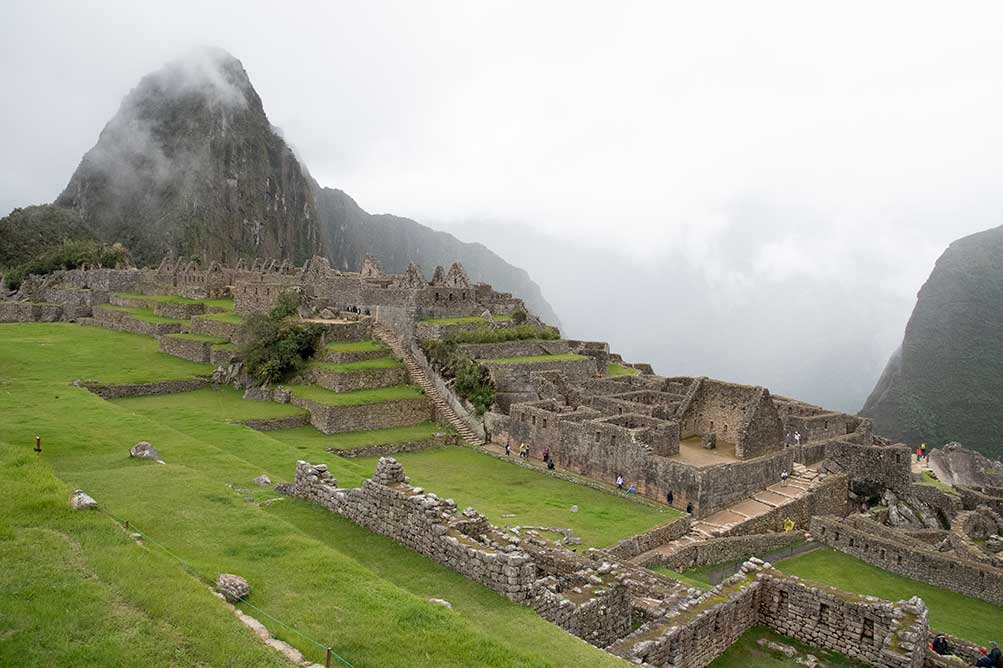
Explore the archaeological wonders of the Sacred Valley, including the Pisac ruins and the vibrant market of Pisac, where you can admire local crafts and interact with artisans. Then, embark on a memorable journey to Machu Picchu, marveling at the ancient citadel nestled amidst towering Andean peaks.
Conclude your Peruvian adventure with an unforgettable expedition into the heart of the Amazon rainforest in Tambopata. Fly from Cusco to Puerto Maldonado, the gateway to the Amazon, where your jungle exploration begins.

Over the final five days, delve into the pristine wilderness of Tambopata National Reserve, encountering an astonishing diversity of flora and fauna. Trek through lush jungle trails, navigate tranquil rivers, and embark on wildlife-spotting excursions led by experienced local guides.
Each evening, unwind in a comfortable eco-lodge nestled in the rainforest, savoring the sounds of the jungle and reflecting on the wonders of your Peruvian journey.
You may also like: La Paz local Markets and Crafts
With this meticulously crafted 15-day itinerary, you’ll embark on a transformative voyage through Peru, immersing yourself in its natural wonders, ancient civilizations, and vibrant cultures. Whether you’re exploring the coastal marvels of Paracas, marveling at the mystical allure of Machu Picchu, or venturing into the depths of the Amazon rainforest in Tambopata, your journey promises to be an unforgettable odyssey filled with discovery, adventure, and awe-inspiring moments.
Colourful Peru invites you to experience our region. We are committed to offer you the best options so you can live a Colourful journey. If you want to know more about our suggested journeys, do not hesitate to get in touch with us.
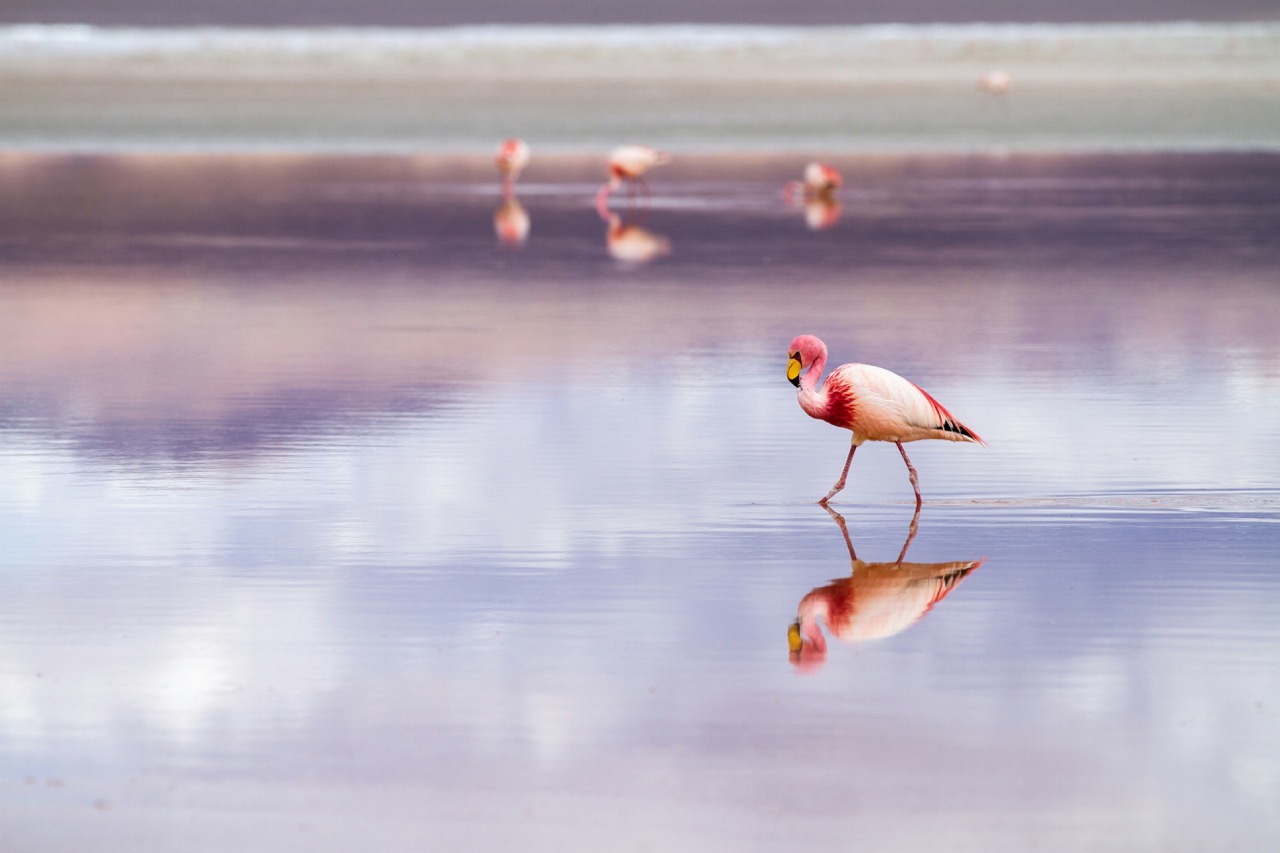
Nestled amidst the rugged terrain of Bolivia lies one of the most surreal and captivating landscapes on Earth – the Salar de Uyuni. Spread across over 10,000 square kilometers, this vast salt flat is a photographer’s paradise, offering an otherworldly canvas that seems to stretch endlessly to the horizon. In this article, we’ll delve into the art of capturing the magic of the Salar through photography, providing you with tips and techniques to elevate your shots to new heights.

Before venturing out with your camera, it’s essential to understand the unique characteristics of the Salar de Uyuni. The vast expanse of salt crust, formed by the evaporation of prehistoric lakes, creates a mesmerizing mirror effect when covered with a thin layer of water during the rainy season. This phenomenon transforms the salt flat into a giant reflective surface, mirroring the sky above and creating the illusion of an infinite expanse.
You can also read: La Paz local markets and crafts
Timing is key when it comes to capturing the beauty of the Salar. While the landscape is stunning year-round, certain times offer optimal conditions for photography. The rainy season, typically from December to April, is prime time for capturing the mirror effect as the salt flat becomes inundated with water. During this period, the sky often explodes with dramatic clouds, adding depth and drama to your shots. However, even during the dry season, the Salar remains a captivating subject, with its vast expanse and unique geological formations providing ample opportunities for creative photography.
When composing your shots in the Salar, consider incorporating elements that add visual interest and depth to your photographs. Experiment with different perspectives, such as low angles to emphasize the vastness of the landscape, or high angles to capture sweeping panoramic views. Leading lines, such as the hexagonal patterns formed by the salt crust, can guide the viewer’s eye through the frame, creating a sense of movement and dynamism.

The Salar de Uyuni offers photographers an abundance of natural light to work with, thanks to its high altitude and clear skies. Take advantage of the soft, diffused light during the golden hours of sunrise and sunset, when the sun bathes the landscape in warm hues and casts long, dramatic shadows. Don’t be afraid to experiment with backlighting and silhouettes to create striking and atmospheric images.
When packing for your photography adventure in the Salar, be sure to bring along essential gear to ensure you’re prepared for any situation. A sturdy tripod is indispensable for capturing sharp, long exposure shots, especially during low-light conditions. Wide-angle lenses are ideal for capturing the expansive vistas of the salt flat, while a polarizing filter can help enhance contrast and reduce glare on the reflective surface.
Post-processing plays a crucial role in bringing out the full potential of your Salar de Uyuni photographs. Pay attention to color balance and saturation to enhance the vibrant hues of the landscape, and experiment with contrast and clarity to add depth and dimension to your images. Don’t be afraid to get creative with editing techniques, such as HDR merging or panoramic stitching, to create stunning composite images that truly capture the magic of the Salar.
While photographing the Salar can be an awe-inspiring experience, it’s essential to prioritize safety at all times. The vast expanse of the salt flat can be disorienting, making it easy to lose your sense of direction, especially during the rainy season when the mirror effect obscures the horizon. Be sure to carry a GPS device or smartphone with GPS capabilities, and familiarize yourself with the area before setting out. Additionally, stay hydrated and protected from the intense sun by wearing sunscreen, a hat, and sunglasses.
Yo may also like: Mountain biking in Bolivia
Photographing the Salar de Uyuni is a truly magical experience that allows you to capture the timeless beauty of one of nature’s most extraordinary creations. By following the tips and techniques outlined in this article, you’ll be well-equipped to capture stunning images that preserve the unique allure of this mesmerizing landscape for years to come. So grab your camera, pack your gear, and embark on an unforgettable photographic journey through the shimmering expanse of the Salar de Uyuni.
Colourful Peru invites you to experience our region. We are committed to offer you the best options so you can live a Colourful journey. If you want to know more about our suggested journeys, do not hesitate to get in touch with us.
La Paz, the vibrant capital of Bolivia, is a city teeming with rich culture, colorful markets, and authentic experiences waiting to be discovered. Amidst its bustling streets and bustling plazas, one of the most enriching aspects of La Paz is its local markets and artisan crafts. In this guide, we delve into the heart of La Paz local markets, uncovering the treasures they hold and the experiences they offer to travelers seeking an authentic taste of Bolivian culture.

High above the city, El Alto Market stands as a testament to Bolivian resilience and creativity. Every Thursday and Sunday, this sprawling market comes to life, offering everything from fresh produce to handmade crafts and traditional clothing. Visitors can immerse themselves in the vibrant atmosphere, bargaining with local vendors and sampling delicious street food while soaking in panoramic views of La Paz below.
You can also read: Mountain biking in Bolivia
Venture into the mystical realm of La Paz’s Witches’ Market, where ancient traditions blend seamlessly with modern life. Here, rows of stalls are adorned with potions, herbs, and colorful trinkets, offering insights into Bolivia’s spiritual beliefs and Andean folklore. From coca leaves to amulets, the Witches’ Market is a treasure trove of cultural curiosities, inviting visitors to explore its enchanting secrets.
For travelers seeking a deeper connection with Bolivian culture, artisan workshops provide an immersive experience into traditional crafts. From pottery to weaving, these workshops offer hands-on opportunities to learn from skilled artisans, gaining insight into age-old techniques passed down through generations. Whether crafting your own masterpiece or simply observing the artisans at work, these workshops offer a unique glimpse into Bolivia’s rich artistic heritage.
In La Paz, textiles are more than just fabric—they are living artifacts, each thread woven with centuries of Andean tradition and symbolism. Explore the city’s textile markets, where vibrant colors and intricate designs adorn every corner, reflecting the cultural diversity of Bolivia’s indigenous communities. From alpaca wool to llama fibers, these textiles tell stories of resilience, identity, and connection to the land, providing travelers with a tangible souvenir of their journey through Bolivia.

No visit to La Paz is complete without savoring its rich culinary heritage. From street vendors to fine dining establishments, the city offers a feast for the senses, with flavors influenced by Andean, Spanish, and indigenous traditions. Sample traditional dishes like salteñas, savory empanadas filled with meat and vegetables, or indulge in a bowl of quinoa soup, a staple of Bolivian cuisine. For those with adventurous palates, delicacies like fried guinea pig and llama stew await, offering a taste of authentic Bolivian flavors.
You may also like: Exploring the endemic species in the Galápagos islands
In the labyrinthine streets of La Paz, every corner holds a new discovery, every market a new adventure. From the bustling stalls of El Alto to the mystical charm of the Witches’ Market, the city’s markets offer a glimpse into the soul of Bolivia, where tradition meets modernity in a vibrant tapestry of culture and creativity. Whether haggling with vendors, mastering ancient crafts, or savoring local flavors, exploring La Paz’s markets promises an unforgettable journey filled with authentic experiences and lasting memories. Embrace the spirit of adventure and let La Paz’s markets guide you on a cultural odyssey unlike any other.
Colourful Peru invites you to experience our region. We are committed to offer you the best options so you can live a Colourful journey. If you want to know more about our suggested journeys, do not hesitate to get in touch with us.
Embark on an adrenaline-fueled journey through the heart of South America with a mountain biking adventure in Bolivia. Nestled in the rugged Andes Mountains, Bolivia offers an unparalleled terrain for thrill-seekers and outdoor enthusiasts alike. From challenging trails to breathtaking landscapes, this country beckons adventurers to explore its hidden gems on two wheels. In this guide, we unveil some of the most thrilling routes for an unforgettable mountain biking in Bolivia.

Blessed with diverse landscapes ranging from soaring peaks to lush valleys, Bolivia sets the stage for an epic mountain biking expedition. Each region boasts its own unique charm and challenges, promising an exhilarating ride for riders of all skill levels.
You can also read: Exploring the endemic species of the Galápagos Islands
Venture into the untamed wilderness of Bolivia and be prepared to encounter a myriad of challenges along the way. From steep ascents to technical descents, every twist and turn presents an opportunity for adventure. However, the rewards are equally abundant, with jaw-dropping vistas and a profound sense of accomplishment awaiting those who dare to conquer the Andean terrain.
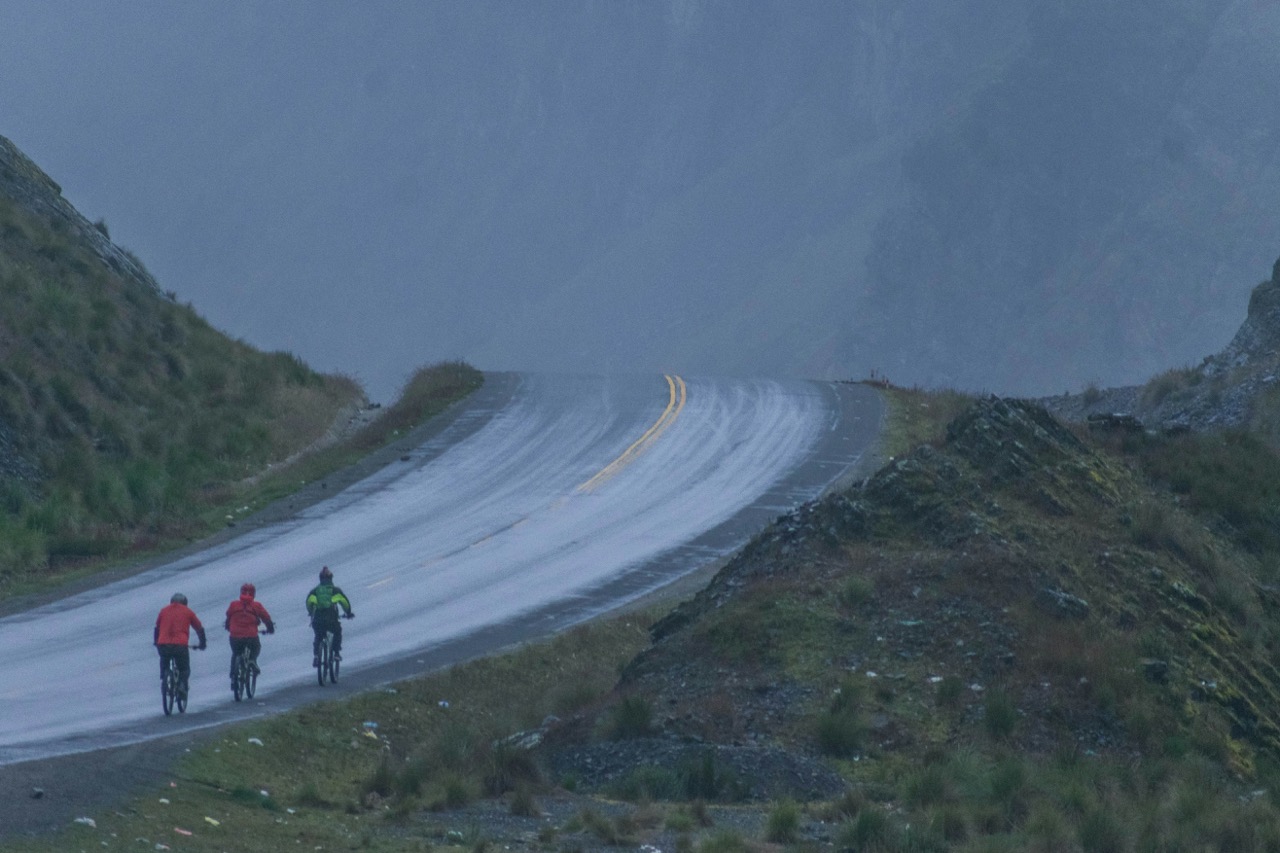
Arguably one of the most famous mountain biking routes in the world, Bolivia’s Death Road offers an adrenaline-pumping descent like no other. Carved into the side of the Andes Mountains, this legendary trail winds its way through mist-shrouded cliffs and cascading waterfalls, providing an unforgettable ride for thrill-seekers. While the name may evoke a sense of trepidation, rest assured that with the proper guidance and equipment, this exhilarating journey is well within reach.
For those seeking a more immersive experience, the Andean Highlands of Bolivia beckon with their pristine beauty and challenging terrain. Traverse ancient Inca trails and remote villages as you pedal through some of the most breathtaking landscapes in South America. From the shimmering waters of Lake Titicaca to the towering peaks of the Cordillera Real, every pedal stroke brings you closer to the heart of the Andes.

Venture off the beaten path and explore the otherworldly landscapes of the Salar de Uyuni by bike. This vast salt flat, stretching as far as the eye can see, offers a surreal backdrop for an unforgettable ride. Cycle across the glistening expanse, marveling at the endless horizon and towering cacti that dot the landscape. As the sun sets over the salt flats, immerse yourself in the tranquility of this mesmerizing natural wonder.
Before embarking on your mountain biking adventure in Bolivia, it’s essential to equip yourself with the right gear. A sturdy mountain bike with full suspension is recommended for tackling the rugged terrain, while a helmet and protective gear are non-negotiables for ensuring your safety on the trail. Additionally, don’t forget to pack plenty of water, snacks, and a basic repair kit to keep you fueled and prepared for any unexpected mishaps along the way.
While experienced riders may opt for the freedom of solo exploration, guided tours offer a safe and hassle-free way to experience Bolivia’s mountain biking trails. Knowledgeable guides provide invaluable insight into the local culture and terrain, ensuring a memorable and enriching experience for riders of all levels. Whether you choose to join a group tour or strike out on your own, be sure to plan ahead and familiarize yourself with the route before setting off.
You may also like: Photographic expedition in Tambopata
Embark on the adventure of a lifetime and experience the thrill of mountain biking in Bolivia. From the adrenaline-pumping descents of Death Road to the serene beauty of the Salar de Uyuni, this diverse country offers a playground for outdoor enthusiasts and adventure seekers alike. So saddle up, pack your sense of adventure, and prepare to conquer the Andean terrain on an unforgettable biking expedition in Bolivia.
Colourful Peru invites you to experience our region. We are committed to offer you the best options so you can live a Colourful journey. If you want to know more about our suggested journeys, do not hesitate to get in touch with us.
Nestled in the Pacific Ocean, the Galápagos Islands stand as a testament to the marvels of evolution. Renowned for their diverse ecosystems and unique wildlife, these volcanic islands offer a glimpse into a world where animals thrive in harmony with their environment. Among the most captivating aspects of the Galápagos is its endemic fauna, species found nowhere else on Earth. Join us as we embark on a journey to uncover the extraordinary creatures that call this enchanting archipelago home.

Understanding the Galápagos Ecosystem The Galápagos Islands, a UNESCO World Heritage Site, are celebrated for their role in shaping Charles Darwin’s theory of evolution. Each island boasts its own distinct environment, fostering the evolution of species adapted to its specific conditions. From lush highlands to arid deserts, the Galápagos offer a mosaic of habitats teeming with life.
You can also read: Photographic expedition in Tambopata
The Galápagos Giant Tortoise No exploration of the Galápagos would be complete without encountering the iconic giant tortoises that lend the islands their name. These gentle giants, some weighing over 900 pounds, roam freely across the archipelago. With lifespans exceeding 100 years, they serve as living relics of an ancient era, embodying resilience and adaptability.

Galápagos Finches Made famous by Darwin’s observations, the diverse array of finches found in the Galápagos continues to fascinate scientists and nature enthusiasts alike. These birds exhibit remarkable variations in beak shape and size, a testament to their adaptation to different diets and environments. From seed-cracking specialists to insect-eating specialists, Galápagos finches showcase the power of natural selection in action.
Galápagos Penguins and Marine Iguanas While penguins may not be the first creatures that come to mind when envisioning a tropical paradise, the Galápagos is home to a unique population of these charismatic birds. Galápagos penguins, the only species of penguin found north of the equator, thrive in the cool waters surrounding the islands, offering a delightful sight for snorkelers and divers.
Equally captivating are the marine iguanas, the world’s only seafaring lizards. With their distinctive black coloration and flattened bodies, these reptiles are perfectly adapted to life in the harsh intertidal zone. Watching them graze on algae along the rocky shores is a surreal experience, reminding us of the boundless diversity of life on Earth.

Blue-Footed Boobies and Flightless Cormorants The Galápagos is a paradise for bird enthusiasts, boasting an impressive array of avian species. Among the most beloved are the blue-footed boobies, known for their comical courtship displays and striking azure feet. With their synchronized dances and sky-pointing rituals, these seabirds capture the hearts of all who encounter them.
Equally enchanting are the flightless cormorants, a testament to the unique evolutionary pathways taken by Galápagos wildlife. Despite their inability to fly, these sleek seabirds are formidable hunters, effortlessly diving beneath the waves in search of fish. Their adaptation to a predominantly aquatic lifestyle serves as a testament to the ingenuity of nature.
While the Galápagos Islands remain a beacon of biodiversity, they are not immune to the threats of human activity. Invasive species, habitat destruction, and climate change pose significant challenges to the delicate balance of the ecosystem. Fortunately, concerted conservation efforts led by local authorities and organizations strive to protect the unique fauna of the Galápagos for future generations to cherish.
You may also like: Exploring Manu National Park
Preserving a Natural Legacy In conclusion, the Galápagos Islands stand as a testament to the power of evolution and the resilience of life in the face of adversity. From giant tortoises to blue-footed boobies, each species contributes to the rich tapestry of biodiversity that defines this extraordinary archipelago. As stewards of the natural world, it is our responsibility to safeguard these fragile ecosystems and ensure that the unique fauna of the Galápagos continues to inspire and captivate for centuries to come.
By immersing ourselves in the wonders of the Galápagos, we gain a deeper appreciation for the intricate web of life that sustains our planet. Whether snorkeling alongside marine iguanas or observing finches in their natural habitat, every encounter reminds us of the interconnectedness of all living things. Let us treasure and protect these precious islands, preserving their natural legacy for generations to come.
Colourful Peru invites you to experience our region. We are committed to offer you the best options so you can live a Colourful journey. If you want to know more about our suggested journeys, do not hesitate to get in touch with us.

Embark on an unforgettable journey through the lush rainforests of Tambopata, Peru, where every corner unveils the beauty of nature in its purest form. Join us on a photographic expedition like no other, where the focus is on capturing the rich biodiversity and stunning landscapes of this pristine region. From vibrant macaws soaring overhead to elusive jaguars prowling through the undergrowth, Tambopata offers a treasure trove of photographic opportunities for wildlife enthusiasts and nature lovers alike.
Nestled in the heart of the Amazon rainforest, Tambopata is a biodiversity hotspot renowned for its incredible array of flora and fauna. Our expedition begins with a journey deep into the Tambopata National Reserve, a vast protected area spanning over 1.5 million hectares. Here, dense forests teeming with life await, providing the perfect backdrop for our photographic adventures.
You can also read: Exploring Manu National Park
One of the highlights of our expedition is the chance to photograph Tambopata’s iconic wildlife in its natural habitat. From the towering canopy to the forest floor, every layer of the rainforest is home to a diverse array of species, each more fascinating than the last. Keep your camera ready as we encounter troops of playful monkeys swinging through the trees, colorful toucans perched on branches, and graceful caimans basking in the sun along the riverbanks.
For those seeking a more immersive experience, our expert guides will lead you on guided walks through the jungle, where you’ll have the opportunity to spot elusive creatures such as giant river otters, sloths, and dazzling butterflies. With their keen eyes and intimate knowledge of the area, our guides will ensure that you never miss a photo-worthy moment.

In addition to its remarkable wildlife, Tambopata also boasts breathtaking landscapes waiting to be captured through the lens. From mist-shrouded mornings on the river to fiery sunsets painting the sky in shades of orange and pink, the beauty of Tambopata extends far beyond its inhabitants. Venture to hidden oxbow lakes, where reflections of towering trees create mirror-like surfaces, or hike to scenic viewpoints for panoramic vistas of the rainforest stretching to the horizon.
At the heart of our expedition is a commitment to conservation and sustainability. As we explore Tambopata, we strive to minimize our environmental impact and promote responsible tourism practices. By supporting local communities and partnering with conservation organizations, we aim to preserve this natural paradise for future generations to enjoy.
You may also like: Exploring the Peruvian Amazon
Embark on a photographic expedition to Tambopata and unlock the secrets of the Amazon rainforest through your lens. From awe-inspiring wildlife encounters to stunning landscapes, every moment is a masterpiece waiting to be captured. Join us as we journey into the heart of Tambopata and embark on the adventure of a lifetime.
Colourful Peru invites you to experience our region. We are committed to offer you the best options so you can live a Colourful journey. If you want to know more about our suggested journeys, do not hesitate to get in touch with us.

Nestled deep within the heart of the Peruvian Amazon rainforest lies a true gem of biodiversity: Manu National Park. Covering over 1.5 million hectares of pristine wilderness, this UNESCO World Heritage Site is a haven for wildlife enthusiasts, adventure seekers, and nature lovers alike. Join us as we delve into the depths of this unparalleled sanctuary and uncover the wonders that await within.

Photo: Ernesto Benavides – PROMPERU
Unveiling Peru’s Natural Treasure Manu National Park stands as a testament to Peru’s commitment to preserving its rich natural heritage. Established in 1973, this vast expanse of protected land encompasses diverse ecosystems, ranging from Andean cloud forests to lowland Amazon rainforests. Its sheer size and ecological significance make it one of the most biodiverse places on the planet, attracting researchers and conservationists from around the globe.
You can also read: Exploring the Peruvian Amazon
Diverse Flora and Fauna Within the borders of Manu National Park, visitors encounter an astonishing array of plant and animal species. From majestic jaguars and elusive pumas to vibrant macaws and playful river otters, the park is home to an estimated 800 bird species, 200 mammal species, and countless reptiles, amphibians, and insects. Rare and endangered species, such as the giant otter and the Andean spectacled bear, find refuge within the park’s protected boundaries, offering a glimpse into ecosystems teeming with life.

Adventure Awaits For adventurous travelers, Manu National Park offers a wealth of opportunities to explore its untamed wilderness. Guided tours and excursions lead visitors deep into the heart of the rainforest, where they can embark on exhilarating jungle treks, navigate the meandering waters of the Manu River, and witness wildlife in its natural habitat. Whether hiking through dense foliage, birdwatching from canopy towers, or camping under the stars, every moment spent in Manu is an unforgettable adventure.
Connecting with Indigenous Communities In addition to its natural wonders, Manu National Park is also home to several indigenous communities that have inhabited the region for centuries. Visitors have the opportunity to engage with these communities, learning about their traditional customs, rituals, and way of life. Through cultural exchanges and immersive experiences, travelers gain a deeper appreciation for the vital connection between people and the environment in this remote corner of the world.
Protecting Manu for Future Generations As a designated UNESCO Biosphere Reserve, Manu National Park plays a crucial role in global conservation efforts. Recognizing the importance of preserving this unique ecosystem, Peruvian authorities and international organizations work tirelessly to safeguard its biodiversity and promote sustainable tourism practices. By supporting responsible tourism initiatives and environmental conservation projects, visitors contribute to the long-term protection of Manu and ensure its continued existence for future generations to enjoy.
You may also like: Condor watching and scenic trekking in Colca Valley
Manu National Park stands as a testament to the awe-inspiring beauty and ecological significance of Peru’s natural landscapes. From its lush rainforests to its winding rivers, this sanctuary of biodiversity captivates the imagination and inspires a sense of wonder in all who venture within its boundaries. As travelers explore its depths and discover its secrets, they become stewards of its conservation, ensuring that Manu remains a beacon of hope for the preservation of our planet’s most precious treasures. Embark on an unforgettable journey into the heart of the Amazon and experience the magic of Manu National Park for yourself.
Colourful Peru invites you to experience our region. We are committed to offer you the best options so you can live a Colourful journey. If you want to know more about our suggested journeys, do not hesitate to get in touch with us.

Nestled within the heart of South America lies Peru, a land of astonishing biodiversity and cultural richness. Among its many treasures, the Amazon Rainforest stands out as one of the most awe-inspiring and enigmatic destinations on the planet. In this article, we embark on a journey to uncover the wonders of the Peruvian Amazon, delving into the depths of the jungle on exhilarating expeditions that promise adventure, discovery, and a profound connection with nature.
Venturing into the Amazon offers a rare opportunity to witness an unparalleled array of flora and fauna. From vibrant macaws soaring overhead to elusive jaguars prowling through the undergrowth, every moment in the jungle is filled with the possibility of encountering exotic creatures in their natural habitat. Guided wildlife tours provide insights into the intricate ecosystems that sustain life in this biodiverse haven, offering glimpses of rare species such as pink river dolphins, giant river otters, and three-toed sloths.
You can also read: Condor watching and scenic trekking in Colca Valley
Beyond its natural splendor, the Amazon is also home to vibrant indigenous cultures that have thrived amidst the dense foliage for centuries. Visitors have the opportunity to engage with local communities, learning about their traditional customs, spiritual beliefs, and sustainable practices that are intricately intertwined with the rhythms of the rainforest. Immersive experiences such as homestays and cultural exchanges offer a deeper understanding of the profound connection between the Amazonian people and their environment.

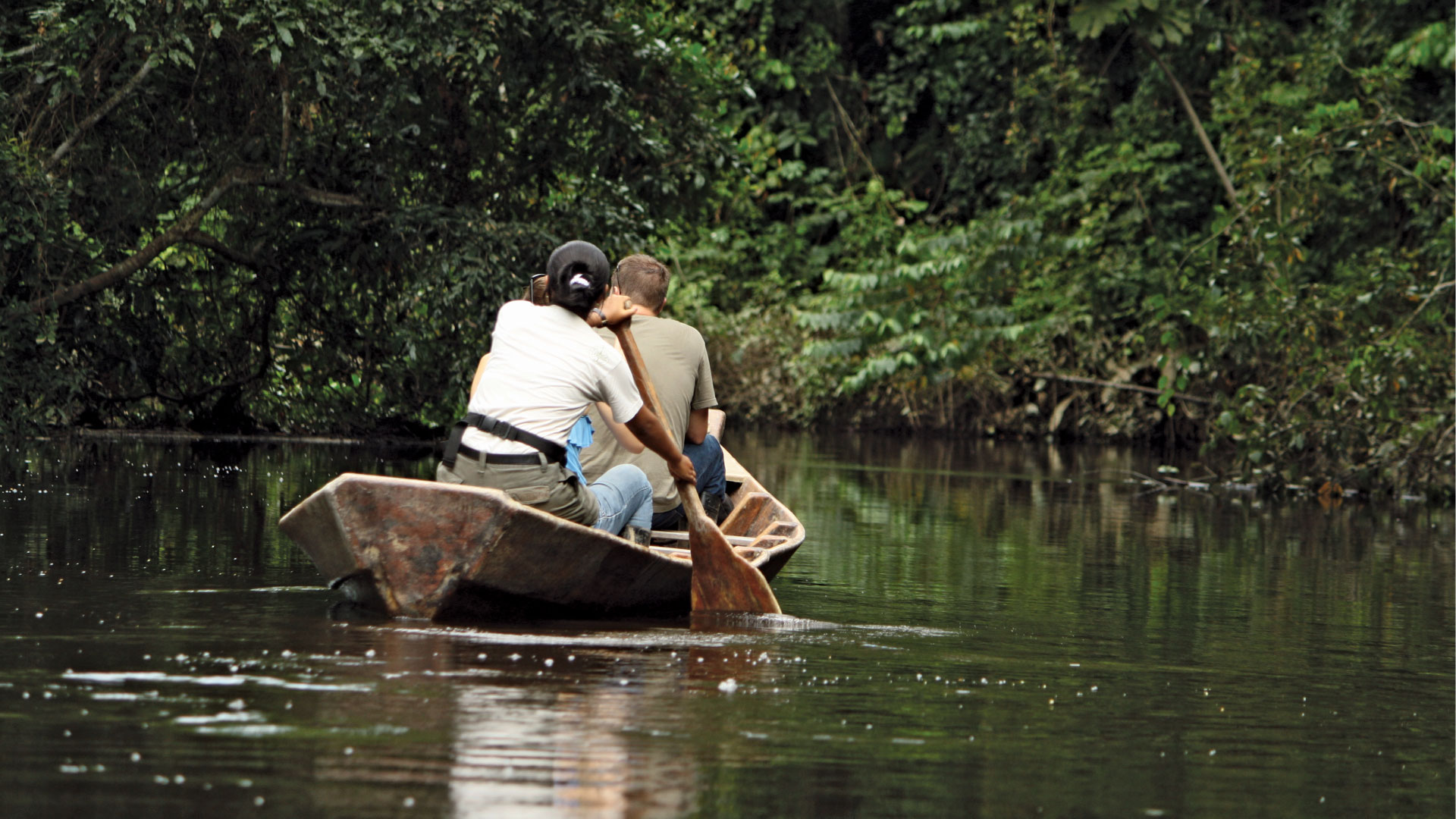
Navigating the mighty Amazon River and its tributaries is a quintessential part of any journey into the jungle. Embark on thrilling river expeditions aboard traditional wooden boats, winding your way through winding waterways flanked by towering trees and lush vegetation. Along the journey, keep an eye out for rare bird species, playful river otters, and majestic caimans basking in the sun along the riverbanks. Whether it’s a leisurely cruise or an adrenaline-pumping kayak adventure, exploring the Amazon by water offers a unique perspective on its vastness and diversity.
When planning your Amazon adventure, it’s essential to select a tour operator with a reputation for sustainability, authenticity, and responsible tourism practices. Look for companies that prioritize environmental conservation, support local communities, and offer immersive experiences that go beyond mere sightseeing.
Packing for an expedition into the Amazon requires careful consideration of the jungle’s challenging conditions. Essential items include lightweight, breathable clothing, sturdy hiking boots, insect repellent, sunscreen, and a waterproof camera to capture unforgettable moments amidst the wilderness. Additionally, don’t forget to pack any necessary medications, as access to medical facilities in remote areas may be limited.
As stewards of the Amazon, it’s crucial for visitors to minimize their impact on the fragile ecosystem. Follow Leave No Trace principles, refrain from littering, and avoid disturbing wildlife or their habitats. By practicing responsible tourism, you can help preserve the natural beauty and ecological integrity of the Amazon for future generations to enjoy.
You may also like: Exploring Andean Traditions in Puno
Embarking on an expedition into the Amazon is a journey of discovery, enlightenment, and profound connection with nature. As you navigate the labyrinthine waterways, trek through dense jungle trails, and immerse yourself in indigenous cultures, you’ll gain a newfound appreciation for the wonders of this biodiverse paradise. So pack your sense of adventure and embark on an unforgettable voyage into the heart of the Amazon in Peru, where every moment promises excitement, exploration, and a deeper understanding of the natural world.
Colourful Peru invites you to experience our region. We are committed to offer you the best options so you can live a Colourful journey. If you want to know more about our suggested journeys, do not hesitate to get in touch with us.

Nestled within the majestic landscapes of Peru lies the breathtaking Colca Valley, a destination revered for its unparalleled natural beauty and cultural significance. Renowned for its towering Andean peaks, lush greenery, and thriving wildlife, the Colca Valley offers visitors a truly immersive experience amidst nature’s grandeur. Among its many attractions, condor watching and scenic trekking stand out as unforgettable adventures that showcase the valley’s unrivaled charm.
Located in the southern region of Peru, the Colca Valley is a haven for adventure enthusiasts and nature lovers alike. Spanning over 100 kilometers, this picturesque valley is flanked by rugged mountains, cascading waterfalls, and terraced fields carved into the hillsides by ancient civilizations. Its diverse ecosystems provide a habitat for an array of flora and fauna, making it a paradise for wildlife enthusiasts and photographers.
You can also read: Exploring Andean Traditions in Puno

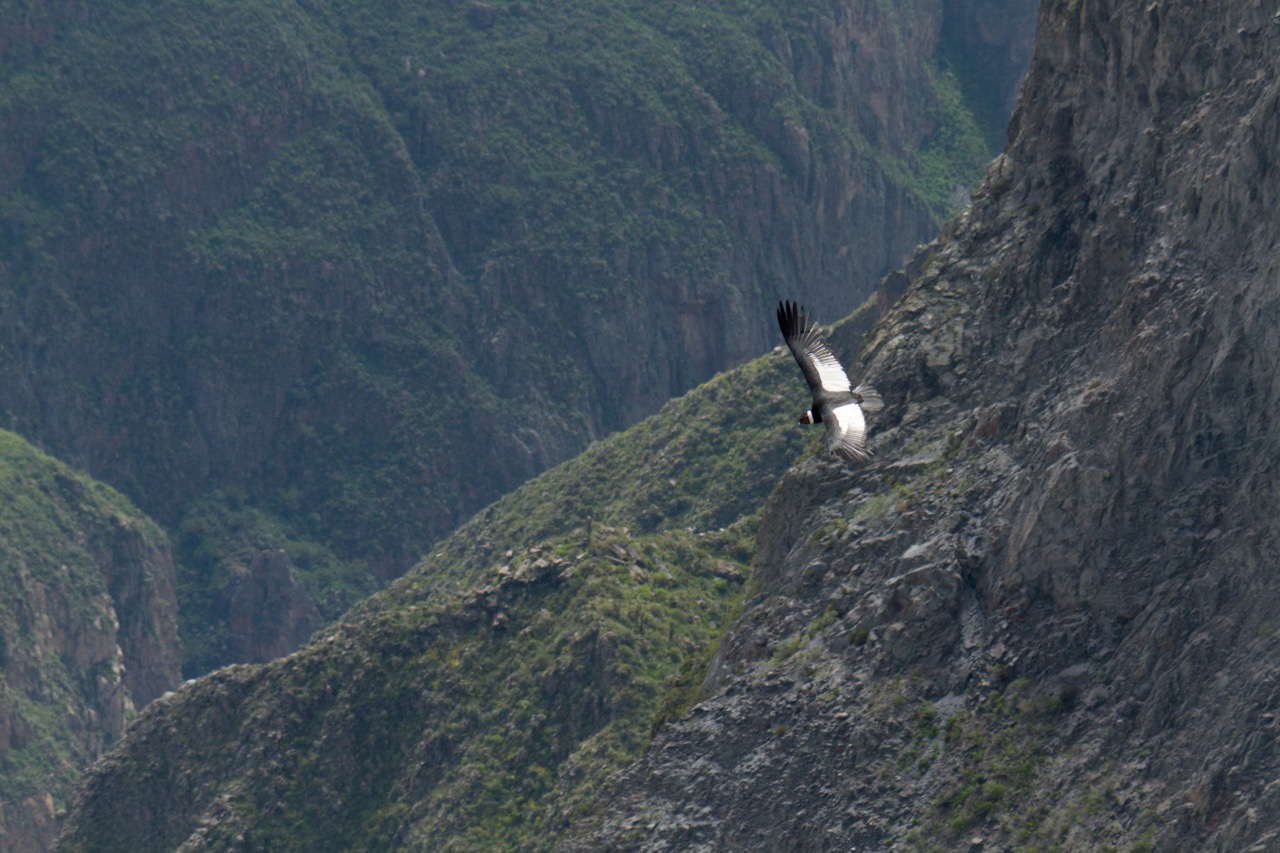
One of the most iconic experiences in Colca Valley is witnessing the mesmerizing flight of the Andean condor, the world’s largest flying bird. With a wingspan that can exceed 3 meters, these magnificent creatures soar effortlessly above the canyon walls, their graceful movements painting a breathtaking tableau against the azure sky.
The Colca Canyon, one of the deepest canyons in the world, serves as the primary habitat for these majestic birds. Visitors flock to designated viewpoints such as Cruz del Condor, where they can witness the condors’ aerial acrobatics up close. As the morning sun illuminates the canyon, the condors take to the skies, riding thermal currents in search of prey, offering spectators an unforgettable display of natural beauty and power.
Beyond the awe-inspiring spectacle of condor watching, Colca Valley beckons adventurers to explore its pristine landscapes through scenic trekking routes. From leisurely walks to challenging hikes, there are trails catering to all levels of experience and fitness.
One of the most popular trekking routes is the Colca Canyon trek, which takes hikers deep into the heart of the valley, passing through quaint villages, terraced farmlands, and rugged terrain. Along the way, trekkers are treated to panoramic vistas of the surrounding mountains and valleys, with the opportunity to encounter local wildlife such as vicuñas, alpacas, and Andean foxes.
For those seeking a more leisurely experience, the Colca Valley offers shorter hikes that lead to hidden waterfalls, natural hot springs, and archaeological sites dating back to pre-Columbian times. Whether embarking on a multi-day expedition or a day hike, every step in Colca Valley unveils a new facet of its natural splendor, leaving visitors enchanted by its beauty and serenity.

Photo: Fernando López – PROMPERÚ
In addition to its natural wonders, Colca Valley is also steeped in rich cultural heritage, with indigenous communities preserving age-old traditions and customs. Visitors have the opportunity to engage with local inhabitants, learning about their way of life, traditional farming techniques, and colorful festivals.
The town of Chivay serves as the gateway to Colca Valley and offers a vibrant cultural experience with its bustling markets, colonial churches, and lively fiestas. Travelers can sample authentic Andean cuisine, browse artisanal crafts, and partake in traditional dances, immersing themselves in the rich tapestry of Peruvian culture.
You may also like: Exploring Paracas: Marine Fauna and the Mysterious Candelabra
Colca Valley stands as a testament to Peru’s natural beauty and cultural richness, offering visitors a myriad of experiences that resonate long after their journey has ended. Whether marveling at the sight of soaring condors, trekking through pristine wilderness, or connecting with local traditions, every moment in Colca Valley is imbued with a sense of wonder and discovery.
As travelers venture into this enchanting realm, they not only witness nature’s grandeur but also forge a deeper connection with the soul of Peru. In the heart of Colca Valley, amidst towering peaks and verdant valleys, adventure awaits, inviting all who dare to explore its untamed beauty. For those seeking a more specialized birdwatching experience, we invite you to contact us through Colourful Birding, where we can tailor an unforgettable avian expedition to suit your interests and preferences, ensuring an enriching and memorable journey through Peru’s avifauna paradise.
Colourful Peru invites you to experience our region. We are committed to offer you the best options so you can live a Colourful journey. If you want to know more about our suggested journeys, do not hesitate to get in touch with us.
Nestled in the breathtaking Andes Mountains of Peru lies the culturally rich city of Puno. Known for its vibrant festivals and deeply rooted traditions, Puno offers visitors a unique glimpse into Andean culture. In this article, we’ll delve into the fascinating world of Andean traditions in Puno, exploring the colourful festivals and ancient rituals that define this enchanting region.

Photo: Renzo Giraldo / PROMPERU – Traditions in Puno
Puno serves as a cultural hub in the Andean region, attracting visitors from around the globe with its rich tapestry of traditions. At the core of Puno’s cultural identity are its festivals, which provide a window into the beliefs, customs, and heritage of the Andean people.
You can also read: Exploring Paracas: Marine Fauna and the Mysterious Candelabra
Another highlight of Puno’s cultural calendar is the Feast of the Virgen de la Candelaria, a lively celebration that takes place in February. This festival blends Catholic traditions with indigenous rituals, featuring elaborate processions, traditional dances such as the Diablada and the Morenada, and ornately decorated floats carrying images of the Virgin Mary.

Photo: Renzo Giraldo / PROMPERÚ
Beyond the festivals, Puno is home to the indigenous Uros people, who inhabit the floating islands of Lake Titicaca. These ancient communities have preserved their traditional way of life for centuries, relying on the totora reed to construct their homes, boats, and even the islands themselves. Visitors to Puno can experience the unique culture of the Uros people firsthand, learning about their customs, folklore, and daily rituals.
In addition to its festivals and indigenous communities, Puno boasts a wealth of cultural attractions that showcase the region’s rich heritage. The city is home to a number of museums, galleries, and archaeological sites where visitors can learn about Andean history, art, and craftsmanship. Highlights include the Museo Carlos Dreyer, which houses a collection of pre-Columbian artifacts, and the Yavari Museum, dedicated to the historic steamship that once plied the waters of Lake Titicaca.
You may also like: Mysteries of Machu Picchu: Stories and legends
In conclusion, Puno offers a fascinating glimpse into the world of Andean traditions, with its colorful festivals, ancient rituals, and indigenous communities. Whether witnessing the spectacle of Inti Raymi, joining the festivities of the Virgen de la Candelaria, or exploring the floating islands of Lake Titicaca, visitors to Puno are sure to be captivated by the rich cultural heritage of this enchanting region. Come immerse yourself in the vibrant tapestry of Andean culture and create memories that will last a lifetime in the heart of Peru.
Colourful Peru invites you to experience our region. We are committed to offer you the best options so you can live a Colourful journey. If you want to know more about our suggested journeys, do not hesitate to get in touch with us.


Our team will be contacting you as soon as possible.
