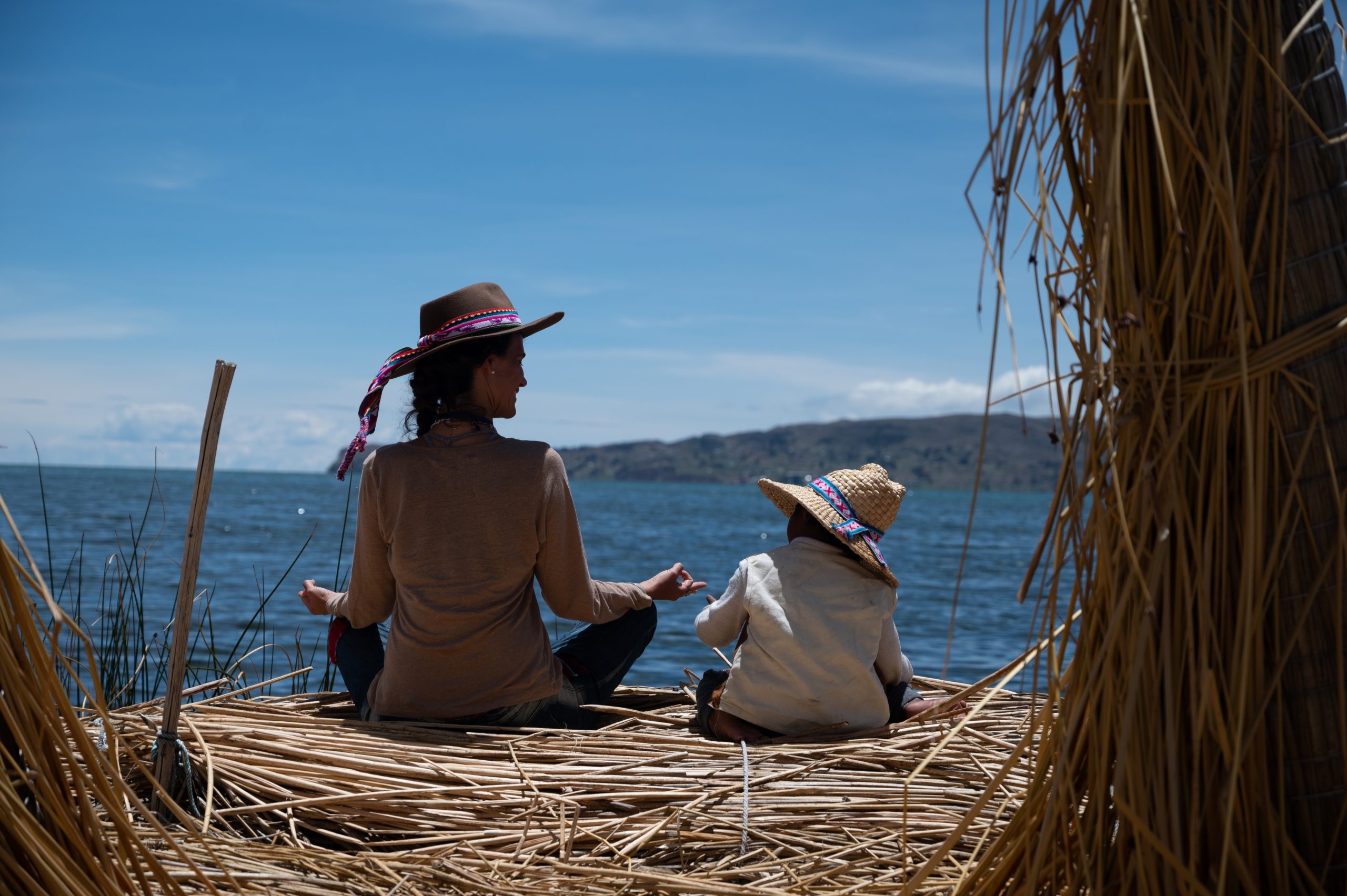
Lake Titicaca, the highest navigable lake in the world, is a destination that promises tranquility, breathtaking scenery, and a deep connection to Andean culture. This vast body of water, nestled between Peru and Bolivia, offers visitors a unique blend of natural beauty and cultural heritage. Whether you’re seeking a serene getaway or an immersive cultural experience, Lake Titicaca has something for everyone. In this article, we’ll explore the top accommodations around Lake Titicaca that provide rest, relaxation, and an unforgettable travel experience.

Lake Titicaca is more than just a stunning landscape; it is a place of legend and history. According to Inca mythology, it is the birthplace of the sun and the cradle of Andean civilization. The lake is home to numerous islands, each with its own unique charm and cultural significance. The most famous of these are the Uros Floating Islands, made entirely of reeds, and Taquile Island, known for its rich textile traditions. The serene waters and majestic backdrop of the Andes make Lake Titicaca a must-visit destination for travelers seeking both adventure and peace.
You can also read: Lima to Paracas: Scenic route along the Peruvian coast
Location: Puno Peninsula, Peru
Titilaka Lodge is an exclusive boutique hotel that offers luxury and comfort in the heart of Lake Titicaca. Situated on a private peninsula, this all-inclusive lodge provides stunning panoramic views of the lake from every angle. The minimalist, contemporary design of the rooms is complemented by traditional Andean textiles and artwork, creating a harmonious blend of modernity and cultural heritage.

Photo: Titilaka
Experience: Guests can enjoy a variety of excursions, including visits to the Uros Floating Islands, Taquile Island, and the Chucuito Peninsula. After a day of exploration, unwind with a massage at the lodge’s spa or enjoy a gourmet meal prepared with locally sourced ingredients.
Location: Puno, Peru
Casa Andina Premium Puno offers a comfortable and elegant stay with spectacular views of Lake Titicaca. This hotel combines modern amenities with traditional Peruvian hospitality, providing a warm and welcoming atmosphere. Each room features large windows that allow guests to soak in the beauty of the lake and surrounding landscapes.
Experience: The hotel offers a range of activities, including boat tours to the Uros and Taquile Islands, as well as cultural experiences like traditional dance performances and cooking classes. After a day of adventure, relax in the hotel’s cozy lounge or savor a delicious meal at the on-site restaurant.
Location: Esteves Island, Puno, Peru
Hotel IHG Lago Titicaca is a luxurious retreat located on Esteves Island, just outside the city of Puno. This five-star hotel offers spacious rooms with breathtaking views of Lake Titicaca, as well as top-notch amenities, including a spa, fitness center, and gourmet restaurant.
Experience: The hotel’s prime location makes it an ideal base for exploring the lake and its islands. Guests can take advantage of the hotel’s private pier for boat tours or enjoy a leisurely stroll along the shoreline. After a day of sightseeing, unwind with a relaxing massage or indulge in a delicious meal featuring local and international cuisine.
Location: Amantani Island, Peru
Amantica Lodge is a unique, exclusive lodge located on the serene Amantani Island. This intimate retreat offers just two suites, ensuring a personalized and private experience for each guest. The lodge’s design incorporates natural materials and traditional elements, creating a luxurious yet authentic atmosphere.

Photo: Amantica Lodge
Experience: Guests can immerse themselves in the island’s culture by participating in local activities such as pottery making, traditional music and dance, and visiting ancient ruins. The lodge also offers guided hikes and boat tours. In the evening, relax by the fire or enjoy a gourmet dinner prepared with fresh, local ingredients.
Location: Puno, Peru
Sonesta Posadas del Inca Lake Titicaca is a charming hotel that offers stunning views of the lake and comfortable accommodations. The hotel’s traditional decor and warm ambiance make it a cozy retreat for travelers. Each room is equipped with modern amenities and large windows that provide breathtaking views of the lake.
Experience: The hotel offers a variety of activities, including boat tours to the Uros and Taquile Islands, as well as cultural experiences such as cooking classes and traditional dance performances. Guests can also enjoy the hotel’s beautiful gardens and relax in the cozy lounge area.
Traveling to Lake Titicaca is more than just visiting a beautiful destination; it’s about immersing yourself in a unique cultural and natural environment. Each accommodation around the lake offers a distinct experience that allows travelers to connect with the local culture and nature. From luxurious lodges to charming hotels, every stay promises comfort, relaxation, and unforgettable memories.
The serene waters of Lake Titicaca provide the perfect backdrop for a peaceful retreat. Whether you’re watching the sunrise from your private balcony, exploring the ancient islands, or participating in local traditions, the experience is one of tranquility and wonder. The warmth and hospitality of the local people add to the magic of Lake Titicaca, making every moment spent here special.
You may also like: Machu Picchu at sunrise
Lake Titicaca is a destination that captivates the heart and soul. Its stunning landscapes, rich cultural heritage, and serene atmosphere make it a perfect place for rest and relaxation. The picturesque accommodations around the lake offer travelers the opportunity to experience the beauty and tranquility of this unique destination. Whether you’re seeking luxury, comfort, or a connection to nature and culture, Lake Titicaca has it all.
Colourful Peru invites you to experience our region. We are committed to offer you the best options so you can live a Colourful journey. If you want to know more about our suggested journeys, do not hesitate to get in touch with us.
Live a Colourful Experience with Colourful Peru!
When it comes to exploring the breathtaking landscapes of Peru, the journey from Lima to Paracas offers an unforgettable experience that showcases the country’s diverse natural beauty. Whether you’re a seasoned traveler or embarking on your first adventure, this scenic route along the coast will leave you mesmerized with its stunning views and unique attractions. Let’s dive into this coastal adventure, highlighting key points and must-see destinations along the way.

Lima, the vibrant capital of Peru, serves as the perfect starting point for your coastal journey to Paracas. Known for its rich history, culinary excellence, and bustling urban life, Lima offers a dynamic blend of old and new. Before setting off, take some time to explore the city’s top attractions.
You can also read: Machu Picchu at sunrise
Lima is celebrated as the gastronomic capital of South America. Indulge in local specialties such as ceviche, lomo saltado, and causa. Don’t miss dining at one of Lima’s top-rated restaurants, like Central or Maido, for a world-class culinary experience.
As you leave Lima behind, you’ll embark on a scenic drive south along the Pan-American Highway. This route offers stunning coastal views and several interesting stops that enrich the journey.
One of the joys of traveling from Lima to Paracas is the opportunity to stop along the highway for a delightful breakfast. Many roadside stands and small eateries offer freshly baked artisanal bread, paired with local cheeses, jams, and coffee. These stops not only provide a delicious start to your day but also offer a glimpse into the local culinary traditions.

Photo: Marco Garro
Continuing your journey, make a stop at the historic Hacienda San José in Chincha. This former plantation is a place of great historical significance, with roots dating back to the colonial era.
Arriving in Paracas, you’ll be greeted by a landscape of sandy beaches, clear blue waters, and abundant wildlife. This coastal town is a gateway to some of Peru’s most impressive natural wonders.
One of the highlights of Paracas is the Paracas National Reserve, a protected area that encompasses desert landscapes, coastal cliffs, and diverse marine life. Here, you can:

Photo: Loïc Mermilliod
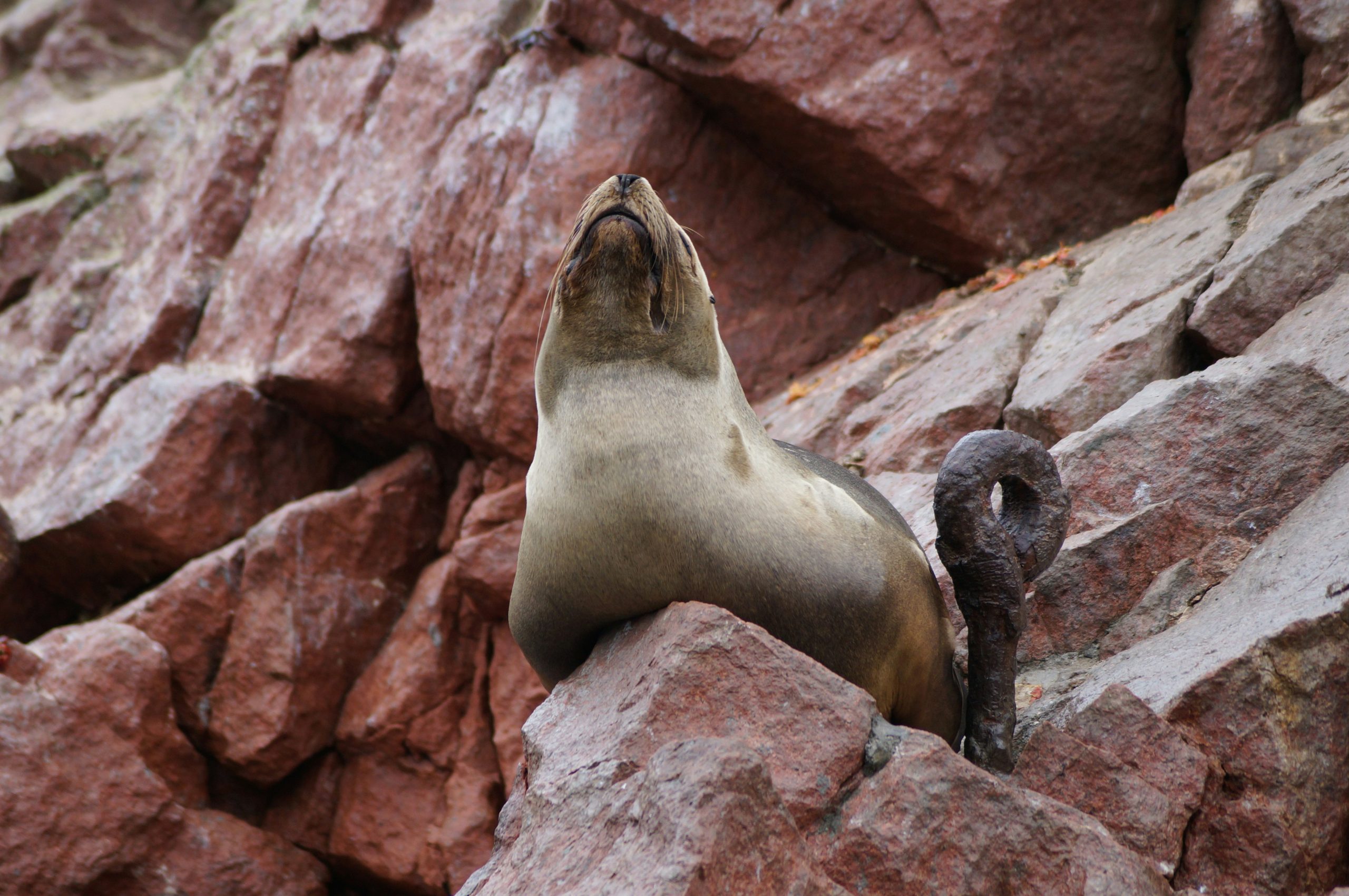
Often referred to as the “Galápagos of Peru,” the Ballestas Islands are a must-visit attraction. Take a boat tour from Paracas to witness an extraordinary array of wildlife, including sea lions, penguins, and a variety of seabirds. The islands’ dramatic rock formations and arches add to the visual splendor of this natural wonder.
For those seeking adventure, Paracas offers a range of thrilling activities:
Paracas is also steeped in history and culture. Visit the Paracas History Museum to learn about the ancient Paracas culture, known for its intricate textiles and mummification practices. The nearby archaeological site of Tambo Colorado offers a glimpse into the Inca empire’s influence on the region.
After a day of exploration and adventure, savor the local cuisine in Paracas. Seafood is the star here, with dishes like arroz con mariscos (seafood rice) and parihuela (seafood stew) being local favorites. Enjoy a meal at a beachside restaurant, taking in the sunset over the ocean as you dine.
You may also like: Nighttime in Cusco
The journey from Lima to Paracas is more than just a drive; it’s an adventure that encapsulates the essence of Peru’s coastal beauty and cultural richness. From the vibrant streets of Lima to the serene landscapes of Paracas, this route offers travelers a diverse and enriching experience. Whether you’re drawn by the promise of adventure, the allure of nature, or the richness of history, the Lima to Paracas route has something for everyone.
Colourful Peru invites you to experience our region. We are committed to offer you the best options so you can live a Colourful journey. If you want to know more about our suggested journeys, do not hesitate to get in touch with us.
Live a Colourful Experience with Colourful Peru.
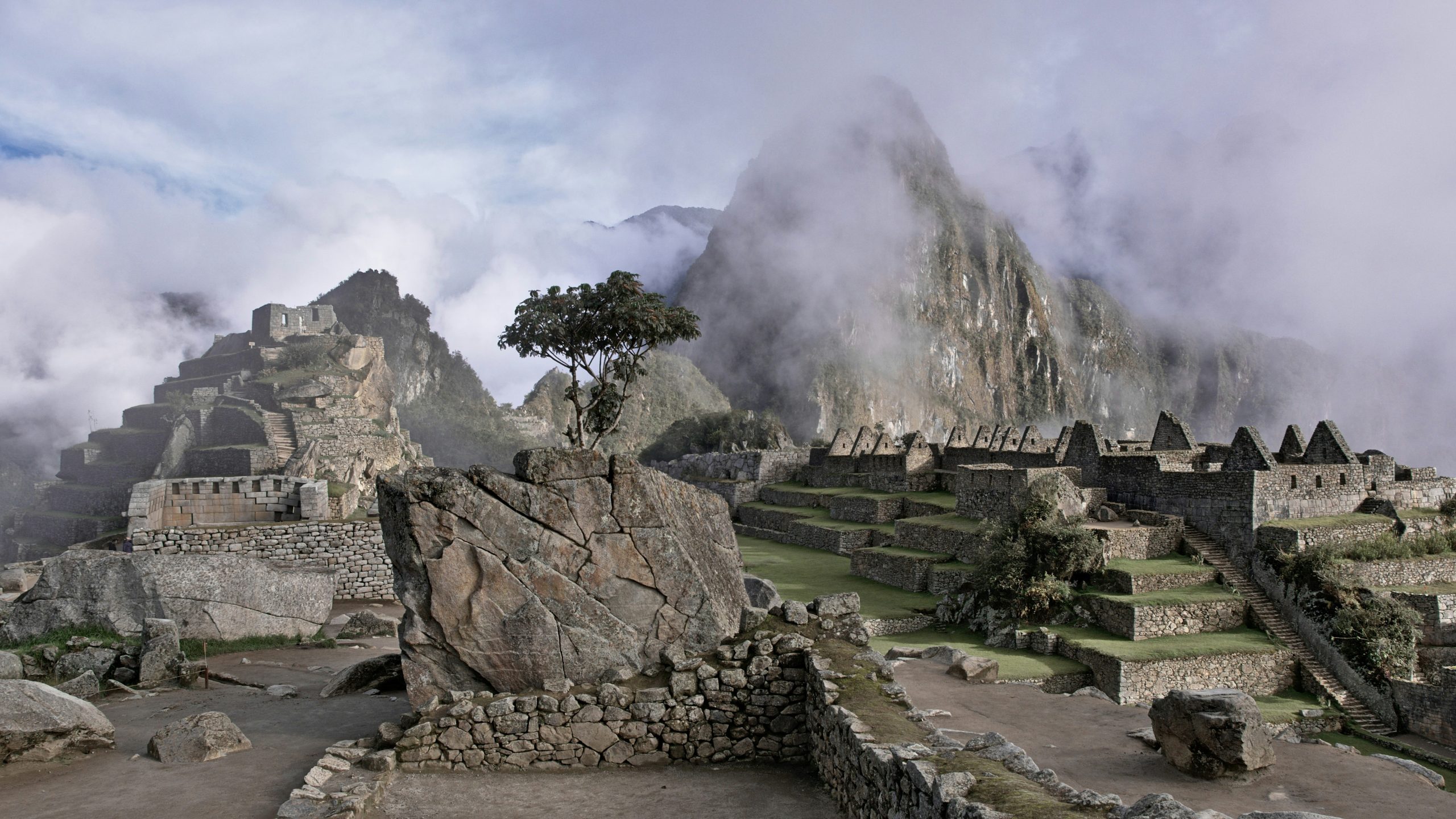
Experience Machu Picchu in its most magical moment – at sunrise. The ancient Incan city, shrouded in mist and mystery, comes alive as the first rays of the sun illuminate the iconic ruins. This guide will provide essential tips for witnessing the breathtaking beauty of Machu Picchu at dawn, ensuring you have a seamless and unforgettable adventure with Colourful Peru.

Photo: Adrian Dascal
Experiencing Machu Picchu at sunrise offers a unique and serene perspective of this UNESCO World Heritage site. The early hours provide an opportunity to explore the site before the crowds arrive, allowing for a more intimate connection with the history and majesty of the Incan civilization. The soft morning light enhances the natural beauty of the surroundings, making it a perfect time for photography and reflection.
You can also read: Nighttime in Cusco
To experience Machu Picchu at sunrise, you must book your tickets in advance. The site has a limited number of daily visitors, and the early morning slots are highly sought after. Tickets can be purchased online through the official Machu Picchu website or via authorized travel agencies like Colourful Peru, which offers comprehensive packages including guided tours and transportation.
The best time to visit Machu Picchu for a sunrise experience is during the dry season, from April to October. These months offer clearer skies and less chance of rain, providing optimal conditions for viewing the sunrise. Aim to visit between May and September for the most consistent weather.
Staying overnight in Aguas Calientes, the town at the base of Machu Picchu, is essential for an early morning ascent. Colourful Peru offers various accommodation options, from budget-friendly hostels to luxurious hotels, ensuring you are well-rested and ready for your pre-dawn adventure.
Packing the right essentials is crucial for a comfortable and enjoyable sunrise experience at Machu Picchu. Here’s a checklist of items to bring:
While the hike to Machu Picchu is not overly strenuous, it does require a moderate level of fitness. Regular cardio exercises and some uphill walking practice can help prepare you for the ascent. Additionally, acclimatizing to the altitude in Cusco for a few days before your visit is advisable to prevent altitude sickness.

Photo: Michael Brawn
To experience Machu Picchu at sunrise, you’ll need to depart early. The first buses from Aguas Calientes to the entrance of Machu Picchu start running around 5:30 AM. Colourful Peru provides organized transportation, ensuring you reach the site in time to witness the sunrise.
Upon arrival at the entrance, you’ll need to present your ticket and passport. It’s a good idea to have these documents easily accessible to expedite the process. Once inside, follow the marked paths leading to the main viewing areas.
One of the most popular spots to experience Machu Picchu at sunrise is the Sun Gate, or Intipunku. This vantage point offers a panoramic view of the entire site, with the sun rising directly behind the mountains, casting a golden glow over the ruins.
The Guardhouse, located near the main entrance, provides an excellent view of the sun rising over the iconic terraced fields and Huayna Picchu mountain. It’s a shorter walk compared to the Sun Gate, making it a great option for those with limited time.
For those seeking a more adventurous experience, a hike up Machu Picchu Mountain offers breathtaking views of the sunrise from a higher elevation. This trek requires an additional ticket and a good level of fitness, but the reward is well worth the effort.
Capturing the beauty of Machu Picchu at sunrise requires some planning and skill. Here are a few tips to help you get the perfect shot:
While capturing stunning photos is important, it’s equally crucial to respect the historical significance of Machu Picchu. Stay on designated paths, avoid touching or climbing on the ruins, and follow all guidelines provided by the site’s authorities.
After experiencing the sunrise, take advantage of a guided tour to learn more about the history, architecture, and cultural significance of Machu Picchu. Colourful Peru offers expert guides who provide insightful commentary, bringing the ancient city to life.
Some of the must-see attractions within Machu Picchu include:
Take some time to relax and reflect on your experience. Find a quiet spot within the site to sit and soak in the serene atmosphere. The early morning is perfect for this, as the crowds are still relatively small.
You may also like: Lima: Nightly Cultural Events
Experiencing Machu Picchu at sunrise is a truly magical and unforgettable adventure. By following these tips, you can ensure a smooth and enriching visit to this ancient wonder. Book your sunrise experience with Colourful Peru and immerse yourself in the rich history and breathtaking beauty of Machu Picchu.
Colourful Peru invites you to experience our region. We are committed to offer you the best options so you can live a Colourful journey. If you want to know more about our suggested journeys, do not hesitate to get in touch with us.
Live a Colourful Experience with Colourful Peru!
Cusco, the historic capital of the Inca Empire, is not just a gateway to the magnificent Machu Picchu. As the sun sets and the city lights begin to twinkle, Cusco transforms into a vibrant hub of nightlife and cultural experiences. Nighttime in Cusco offers a unique charm, blending ancient traditions with modern entertainment. Whether you’re a history buff, a culinary enthusiast, or someone looking to dance the night away, Cusco has something to offer. Let’s explore some of the best routes and activities to enjoy after sunset in this enchanting city.

Photo: Stefano Garay
The Plaza de Armas is the beating heart of Cusco, both day and night. As evening falls, the square is illuminated by the glow of colonial buildings and the imposing Cusco Cathedral. Stroll through the plaza to soak in the ambiance, where locals and tourists mingle, street performers showcase their talents, and the fountains create a serene backdrop.
You can also read: Lima: Nightly cultural events
Just a short walk from the Plaza de Armas, the San Blas neighborhood is known for its artistic vibe and narrow cobblestone streets. At night, San Blas comes alive with cozy bars, live music, and artisanal shops.

Photo: Samantha Salazar
For those intrigued by the history and legends of Cusco, nighttime tours offer an exciting way to explore the city’s past. These guided tours often delve into the stories of the Inca Empire, colonial influences, and local myths.
Cusco’s culinary scene is a fusion of traditional Peruvian flavors and international influences. Nighttime in Cusco is the perfect opportunity to indulge in a memorable dining experience.

Foto: Lorena Samponi
No visit to Peru is complete without trying a Pisco Sour, the national cocktail. Cusco’s bars and lounges offer a variety of Pisco-based drinks and other creative cocktails.
Cusco’s rich cultural heritage is celebrated through music and dance performances that you can enjoy at various venues across the city.
Cusco’s markets and shops remain open late into the night, offering a chance to shop for unique souvenirs and gifts.
For those who love to dance, Cusco’s nightlife includes a variety of clubs and discos where you can groove to different genres of music.
While Cusco is generally safe for tourists, it’s always good to keep a few safety tips in mind when exploring the city at night.
You may also like: Peru: Hight altitud experiences
Nighttime in Cusco is a magical experience that offers a mix of history, culture, and entertainment. From the lively Plaza de Armas to the artistic San Blas neighborhood, and from exquisite dining to vibrant nightlife, there’s something for everyone to enjoy after sunset. Whether you’re exploring the city’s mysteries on a guided tour, indulging in delicious cuisine, or dancing the night away, Cusco promises unforgettable memories.
Live a Colourful Experience with Colourful Peru!
Colourful Peru invites you to experience our region. We are committed to offer you the best options so you can live a Colourful journey. If you want to know more about our suggested journeys, do not hesitate to get in touch with us.

Lima, the vibrant capital of Peru, is a city that never sleeps, offering a plethora of cultural experiences after the sun sets. From mesmerizing theatrical performances to soul-stirring musical events, Lima cultural scene is as dynamic as it is diverse. This article explores the various nightly cultural events that make Lima an enchanting destination for travelers seeking to immerse themselves in the rich tapestry of Peruvian culture.

Photo: Musuk Nolte – PROMPERU
Lima’s cultural scene is a reflection of its rich history and modern vibrancy. As the heart of Peru, Lima boasts a blend of traditional and contemporary cultural events that cater to all tastes. Whether you are a fan of classical theater, modern dance, or live music, Lima’s cultural offerings are sure to captivate you.
You can also read: Peru: High altitud experiences
Lima’s theater scene is a thriving aspect of its cultural identity. The city’s theaters host a variety of performances, ranging from classic plays to contemporary works by Peruvian and international playwrights. Key venues include the Gran Teatro Nacional, Teatro La Plaza, and Teatro Británico, each offering unique experiences for theater enthusiasts.

Photo: La Noche de Barranco
Lima’s music scene is as varied as its theater offerings, with genres spanning from traditional Andean music to modern rock and jazz. The city comes alive at night with live performances in bars, clubs, and concert halls.
Lima’s dance scene is a vibrant part of its cultural nightlife. From traditional Peruvian dances to contemporary performances, the city offers a dance experience for every taste.
Lima’s cultural nights are not limited to performances. The city also boasts a thriving visual arts scene with galleries and exhibitions open late into the evening.

Foto: Fundación Telefónica
No exploration of Lima’s cultural nights would be complete without mentioning its culinary scene. Lima is renowned for its gastronomy, and the city’s restaurants and street food vendors offer a feast for the senses.
You may also like: Salar de Uyuni: Mirror effect
Lima’s cultural nights are a testament to the city’s rich heritage and contemporary dynamism. From captivating theater performances and live music to vibrant dance shows and art exhibitions, Lima offers a cultural experience like no other. Whether you are a theater enthusiast, a music lover, or a foodie, Lima’s nightlife has something to offer everyone.
Colourful Peru invites you to experience our region. We are committed to offer you the best options so you can live a Colourful journey. If you want to know more about our suggested journeys, do not hesitate to get in touch with us.
Live a Colourful Experience with Colourful Peru!

Peru, a land of diverse landscapes and rich cultural heritage, offers unique high-altitude experiences that attract travelers from around the world. From the ancient ruins of Machu Picchu to the vibrant city of Cusco, the breathtaking Andes, and the serene Lake Titicaca, Peru’s high-altitude destinations are a must-visit. However, traveling to high altitudes can pose certain challenges. This guide will help you maximize your enjoyment of Peru’s high-altitude experiences while minimizing any potential hassles.

Before delving into the experiences, it’s important to understand what high altitude means. High altitude is generally defined as any elevation over 8,000 feet (2,438 meters). At these heights, the air is thinner, meaning there is less oxygen. This can cause altitude sickness, which includes symptoms like headaches, dizziness, nausea, and fatigue. But don’t let this deter you. With proper preparation and awareness, you can enjoy Peru’s high-altitude wonders without any major issues.
You can also read: Salar de Uyuni: Mirror effect

No visit to Peru is complete without exploring Machu Picchu, the ancient Incan city perched at 7,972 feet (2,430 meters). Despite being lower in altitude than Cusco, the trek to Machu Picchu can be challenging. The Inca Trail, a popular route to the site, offers stunning views but requires good physical conditioning. Alternatively, the train ride from Cusco to Aguas Calientes provides a more comfortable option.
Cusco, the former capital of the Inca Empire, sits at 11,152 feet (3,399 meters). This vibrant city is a blend of ancient Incan and Spanish colonial architecture. Its narrow cobblestone streets, bustling markets, and historical sites make it a fascinating place to explore.
The Sacred Valley, located just north of Cusco, is lower in altitude (around 9,420 feet or 2,870 meters) and offers a gentler acclimatization option. The valley is home to picturesque villages, terraced fields, and ancient ruins such as Ollantaytambo and Pisac.

Straddling the border between Peru and Bolivia, Lake Titicaca is the world’s highest navigable lake at 12,507 feet (3,812 meters). Its deep blue waters and unique floating islands made of totora reeds offer an unforgettable experience.
To make your high-altitude experience in Peru seamless and enjoyable, consider booking travel packages that cater to these unique destinations. Here are some recommended packages:
You may also like: 9 nearby excursions in La Paz
With the right preparation and mindset, you can fully enjoy the breathtaking beauty and rich culture of Peru’s high-altitude destinations. Whether you’re exploring the ancient ruins of Machu Picchu, wandering the historical streets of Cusco, or sailing on the tranquil waters of Lake Titicaca, these experiences will leave you with lasting memories.
Colourful Peru invites you to experience our region. We are committed to offer you the best options so you can live a Colourful journey. If you want to know more about our suggested journeys, do not hesitate to get in touch with us.

When planning your next South American adventure, consider a visit to the stunning Salar de Uyuni in Bolivia. Known for its breathtaking mirror effect during the rainy season, this natural wonder offers a unique experience that should be on every traveler’s bucket list. Whether you’re exploring the Galápagos Islands or trekking through the Andes, including a trip to Salar de Uyuni will add an unforgettable highlight to your journey.

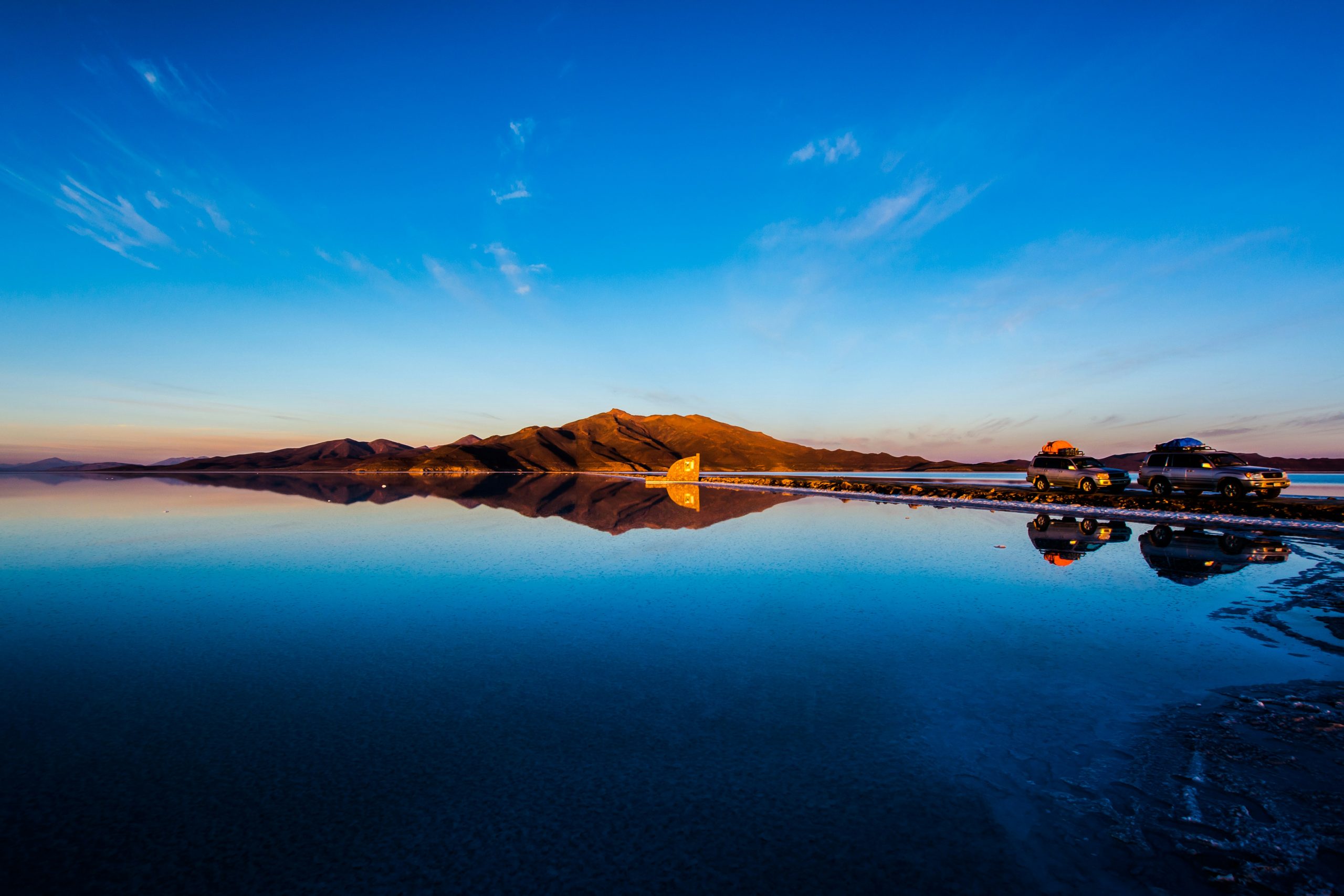
The Salar de Uyuni, located in southwest Bolivia, is the world’s largest salt flat, spanning over 10,000 square kilometers. Formed from prehistoric lakes that evaporated long ago, the salt flat is now covered with a thick crust of salt, creating a vast and surreal landscape. During the rainy season, from December to April, a thin layer of water covers the flats, turning the surface into a giant mirror that reflects the sky, creating a stunning optical illusion.
You can also read: 9 Nearby excursiones in La Paz
The best time to witness the mirror effect at Salar de Uyuni is during the rainy season. Although rain might deter some travelers, it is this very element that transforms the salt flats into a magical, reflective wonderland. The optimal months for this phenomenon are January through March, when rainfall is more consistent.
To reach Salar de Uyuni, most travelers fly into the Uyuni Airport, which has regular flights from La Paz. From Uyuni town, various tour operators offer excursions to the salt flats. It’s advisable to book a tour in advance, especially during the peak season, to ensure availability and the best experience.

Photo: Guille Alvarez
Just outside the town of Uyuni lies the Train Graveyard, a fascinating site where old, rusted locomotives have been abandoned, creating an eerie yet intriguing landscape. These trains were once used to transport minerals to the Pacific Ocean ports but were left to decay when the mining industry collapsed.
In the middle of the salt flats, you’ll find Isla Incahuasi, a hilly outcrop covered in giant cacti. This island offers a stark contrast to the flat, white salt plains and provides panoramic views that are perfect for photography enthusiasts. It’s also a great spot for a picnic amidst the unusual landscape.
Tunupa Volcano, located on the northern edge of the salt flats, is another must-see. This dormant volcano offers hiking opportunities with breathtaking views over the salt flats and colorful mineral deposits. It’s a great addition to your itinerary if you’re looking for a bit of adventure.
While exploring South America, consider adding the Galápagos Islands to your travel itinerary. Located off the coast of Ecuador, this archipelago is renowned for its unique wildlife and pristine natural beauty. From giant tortoises to marine iguanas, the islands offer unparalleled opportunities for wildlife viewing and eco-tourism.
Combining a trip to the Galápagos Islands with a visit to Salar de Uyuni offers a diverse travel experience, showcasing the best of South America’s natural wonders. You can start your journey in Ecuador, exploring the Galápagos Islands, before heading to Bolivia to experience the surreal landscapes of the salt flats.
To make the most of your South American adventure, consider booking a travel package that includes Ecuador, Bolivia, and Peru. These packages often provide a seamless experience, covering transportation, accommodations, and guided tours, allowing you to focus on enjoying your trip.

Photo: Paz Arando
You may also like: Lakes & rivers to explore in Bolivia
Salar de Uyuni is a mesmerizing destination that offers a truly unique travel experience, especially during the rainy season when the mirror effect transforms the salt flats into a surreal landscape. By combining this with a visit to the Galápagos Islands and other highlights in South America, you can create an unforgettable adventure. Consider booking a travel package to explore Ecuador, Bolivia, and Peru, ensuring a seamless and enriching journey through some of the continent’s most spectacular destinations.
Ready to explore the Salar de Uyuni and beyond? Contact us to book your travel package and start planning your South American adventure. Whether you’re drawn to the wildlife of the Galápagos Islands, the historic sites of Peru, or the natural wonders of Bolivia, we have the perfect itinerary for you.
Colourful Peru invites you to experience our region. We are committed to offer you the best options so you can live a Colourful journey. If you want to know more about our suggested journeys, do not hesitate to get in touch with us.
The Galápagos Islands are renowned for their breathtaking biodiversity and unique landscapes, but another South American gem offering equally stunning adventures is La Paz, Bolivia. Nestled high in the Andes, La Paz serves as a gateway to a plethora of exciting excursions into the surrounding mountains and valleys. Whether you’re seeking adrenaline-pumping activities or tranquil nature escapes, La Paz has something for everyone. Here’s a comprehensive guide to the top nearby excursions in La Paz that you won’t want to miss.
One of the most iconic peaks near La Paz, Illimani, stands tall at 6,438 meters (21,122 feet). This snow-capped mountain is a favorite among experienced climbers and offers a challenging yet rewarding ascent. The journey typically starts from the small village of Pinaya, where climbers can hire local guides and porters. The trek usually takes about five days, passing through stunning alpine landscapes and providing breathtaking views of the Andes. While the climb is demanding, the sense of achievement upon reaching the summit is unparalleled.
You can also read: Lakes and rivers to explore in Bolivia

Photo: Wikipedia
Just a short drive from the city center lies Valle de la Luna, a surreal landscape of eroded clay formations resembling a lunar surface. This otherworldly valley offers several walking trails that allow visitors to explore its unique topography. The bizarre rock formations, created by centuries of wind and rain erosion, make for fantastic photo opportunities. For the best experience, visit during the late afternoon when the sun casts dramatic shadows across the landscape.
For thrill-seekers, biking down the infamous Death Road (Camino de la Muerte) is an unforgettable adventure. This narrow, winding road descends nearly 3,600 meters (11,800 feet) from the Andes into the lush Yungas region. Despite its dangerous reputation, the road has become a popular destination for mountain bikers. Several tour companies in La Paz offer guided bike tours, complete with safety equipment and experienced guides. The ride provides adrenaline-pumping excitement and stunning views of the surrounding valleys and waterfalls.
At the end of the Death Road lies the charming town of Coroico. This small town is perched on a hillside overlooking the lush Yungas valleys and offers a perfect retreat from the hustle and bustle of La Paz. Visitors can enjoy a range of activities, from hiking through coffee plantations to relaxing in natural swimming pools. The region’s warm, tropical climate and abundant flora and fauna provide a stark contrast to the high-altitude environment of La Paz, making it a perfect destination for a relaxing getaway.
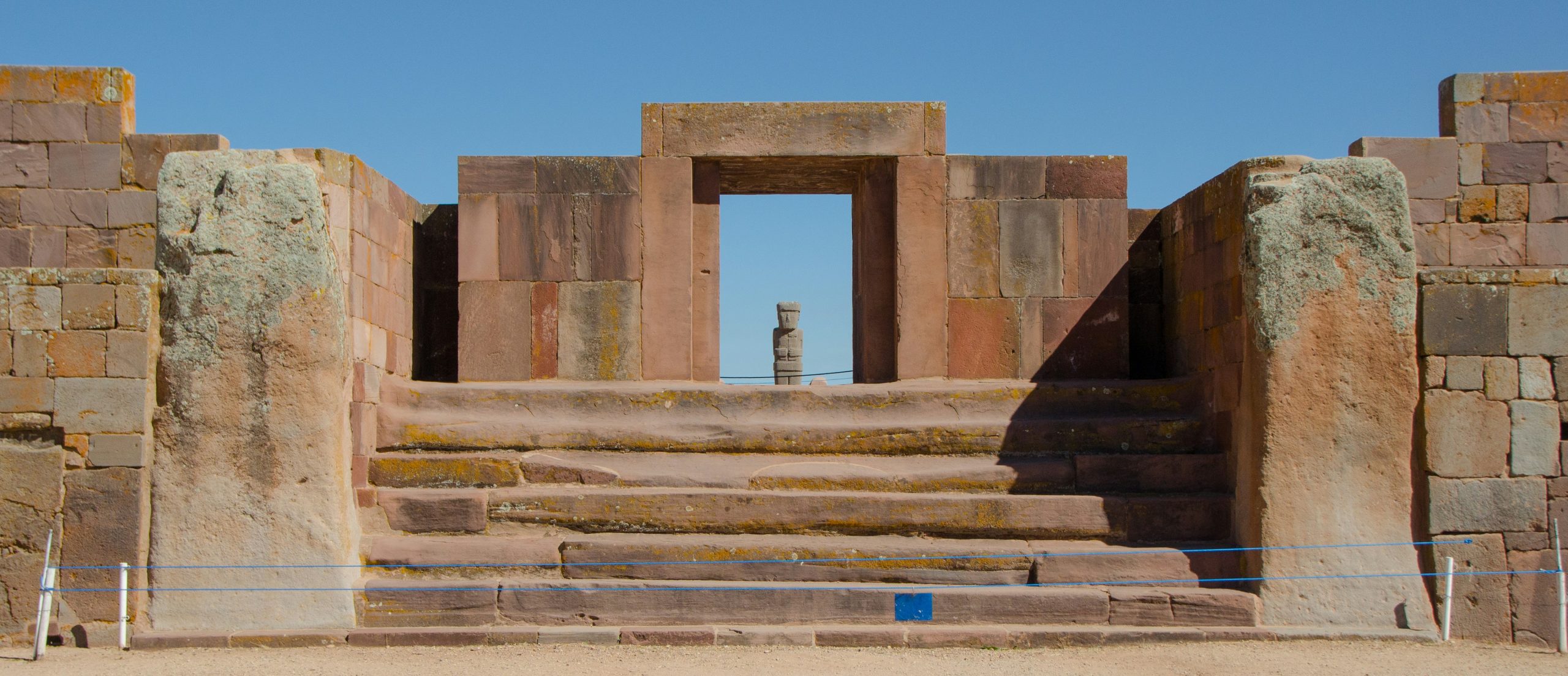
For history enthusiasts, a visit to the ancient ruins of Tiwanaku is a must. Located about 72 kilometers (45 miles) from La Paz, this archaeological site was once the center of a powerful pre-Inca civilization. The site features impressive stone structures, including the famous Gate of the Sun and the Akapana Pyramid. Guided tours provide insights into the history and significance of Tiwanaku, making it a fascinating excursion for those interested in Bolivia’s rich cultural heritage.
Photo: Tobias Jelskov
Chacaltaya, once the highest ski resort in the world, offers an intriguing blend of adventure and history. Although the glacier that supported skiing activities has largely melted, the area still provides stunning views and a chance to visit the atmospheric mountain refuge. The journey to Chacaltaya is an adventure in itself, with a winding road that climbs to over 5,300 meters (17,388 feet). On clear days, visitors can see as far as Lake Titicaca and the surrounding mountain ranges.
Combining a visit to Valle de la Luna with a trip to Valle de las Ánimas (Valley of the Souls) makes for an exciting day trip. The Valley of the Souls is known for its dramatic rock spires and eerie atmosphere. Hiking through this valley provides a sense of solitude and connection with nature that is hard to find elsewhere. Both valleys offer unique geological formations and stunning views, making this combined excursion a highlight of any trip to La Paz.
The Zongo Valley, located about 50 kilometers (31 miles) from La Paz, is a hidden gem that offers a blend of natural beauty and adventure. The valley is home to several hydroelectric dams and is characterized by lush vegetation, waterfalls, and rivers. Visitors can enjoy hiking, bird-watching, and exploring the picturesque landscapes. The drive to Zongo Valley is an adventure in itself, with winding roads and breathtaking mountain views.
Back in La Paz, a visit to the Witches’ Market (Mercado de las Brujas) provides a unique cultural experience. This bustling market is filled with stalls selling traditional herbs, potions, and amulets used in Aymara rituals. Visitors can learn about the fascinating practices and beliefs of the indigenous people and purchase unique souvenirs. The market is a reminder of the rich cultural heritage that permeates every aspect of life in Bolivia.
For those looking to combine adventure with cultural experiences, a dual excursion to Chalcataya and Huayna Potosí is ideal. Start with a visit to Chalcataya, where you can explore the remnants of the old ski resort and enjoy panoramic views. Then, head to Huayna Potosí, one of the most accessible 6,000-meter peaks in the world. Many tour companies offer guided climbs that cater to both novice and experienced climbers. The climb typically involves a two-day trek with an overnight stay in a mountain refuge. Reaching the summit of Huayna Potosí provides a sense of accomplishment and offers stunning views of the surrounding Andean peaks.
While the Galápagos Islands are famous for their unique wildlife and pristine natural environments, La Paz offers an equally compelling range of adventures. From high-altitude mountains to lush valleys, the diversity of landscapes and activities around La Paz rivals that of the Galápagos. Adventurers seeking a mix of cultural experiences, natural beauty, and thrilling activities will find La Paz to be a perfect destination.
When planning your next South American adventure, consider the unique offerings of both La Paz and the Galápagos Islands. Whether you choose the biodiversity of the Galápagos or the diverse landscapes of La Paz, you’re guaranteed an unforgettable experience. Both destinations offer rich cultural heritage, stunning natural beauty, and a plethora of activities for all types of travelers.
You may also like: Tips for sustainable travel in Galápagos Islands
La Paz, Bolivia, with its high-altitude charm and diverse range of nearby excursions, offers travelers a unique blend of adventure and cultural experiences. From the challenging climbs of Illimani and Huayna Potosí to the surreal landscapes of Valle de la Luna and the Valley of the Souls, the adventures near La Paz are endless. Whether you’re a history buff, a thrill-seeker, or a nature lover, La Paz has something to offer. So pack your bags and get ready to explore the mountains and valleys of this incredible South American city. And remember, whether you’re visiting the Galápagos Islands or La Paz, the spirit of adventure is always the same.
Colourful Peru invites you to experience our region. We are committed to offer you the best options so you can live a Colourful journey. If you want to know more about our suggested journeys, do not hesitate to get in touch with us.
When planning a South American travel adventure, the Galápagos Islands often steal the spotlight. However, Bolivia, nestled in the heart of the continent, offers some of the most breathtaking aquatic adventures that are often overlooked. From the serene waters of Lake Titicaca to the thrilling rapids of the Amazon Basin, Bolivia is a treasure trove of natural wonders waiting to be explored. This article will guide you through the top aquatic destinations in Bolivia, ensuring your next trip is filled with unforgettable experiences. Let us show you the best lakes and rivers to explore in Bolivia

Lake Titicaca, straddling the border between Bolivia and Peru, is the highest navigable lake in the world at an altitude of 3,812 meters (12,507 feet). It is not only a natural wonder but also a cradle of Incan civilization. The lake is believed to be the birthplace of the Inca god Viracocha and is considered sacred by the indigenous people.
You can also read: Tambopata: Exotic bird watching in the jungle
Isla del Sol: This island is a must-visit for its ancient Incan ruins and stunning views. You can hike from the northern part of the island to the southern tip, exploring archaeological sites like the Chincana labyrinth and the Pilko Kaina temple.
Isla de la Luna: Known as the “Island of the Moon,” this smaller island is home to the ruins of Iñak Uyu, an ancient temple dedicated to the Moon goddess.
Puno Floating Islands: These unique islands are home to the Uros people, who have lived on reed islands for centuries. A visit here offers a glimpse into their traditional way of life.
Boating: Take a boat tour to explore the lake’s various islands and enjoy the stunning Andean scenery.
Kayaking: For the more adventurous, kayaking on Lake Titicaca provides an intimate experience with its tranquil waters and breathtaking landscapes.
Fishing: Engage in traditional fishing methods with local fishermen and learn about the lake’s rich biodiversity.

The Bolivian Amazon, often overshadowed by its Brazilian counterpart, is a biodiversity hotspot teeming with wildlife. The Amazon Basin covers a vast area in northeastern Bolivia and offers a plethora of aquatic adventures.
Rurrenabaque: This small town is the gateway to the Bolivian Amazon. From here, you can embark on various jungle and river tours.
Madidi National Park: One of the most biodiverse places on the planet, Madidi offers river expeditions that allow you to witness an array of wildlife, from jaguars to pink river dolphins.
Beni River: Flowing through the heart of the Amazon, the Beni River provides opportunities for canoeing and piranha fishing.
River Cruises: Explore the Amazon’s intricate network of rivers on a river cruise, where you can spot caimans, capybaras, and numerous bird species.
Pampas Tours: These tours focus on the wetlands of the Amazon, offering close encounters with wildlife such as anacondas, monkeys, and exotic birds.
Fishing Expeditions: Try your hand at fishing for piranhas and other Amazonian fish with the guidance of local experts.
Linking the Experiences
While the Galápagos Islands are famed for their unique marine life and pristine waters, Bolivia’s aquatic adventures offer a different but equally enriching experience. Both destinations provide unparalleled opportunities to connect with nature, whether you’re snorkeling with sea lions in the Galápagos or kayaking on the serene waters of Lake Titicaca.
Biodiversity: The Galápagos are renowned for their endemic species, while Bolivia’s Amazon Basin boasts incredible biodiversity with numerous rare species.
Cultural Immersion: In Bolivia, you can engage with indigenous cultures around Lake Titicaca and in the Amazon, offering a deeper cultural experience compared to the Galápagos.
Adventure Level: Both destinations offer a range of activities from tranquil boat rides to adrenaline-pumping kayaking and fishing expeditions.
Lake Poopó
Although not as famous as Lake Titicaca, Lake Poopó offers unique aquatic experiences. Located in the Altiplano region, this saltwater lake is a vital habitat for numerous bird species, including flamingos.
Desaguadero River
Flowing from Lake Titicaca to Lake Poopó, the Desaguadero River is ideal for birdwatching and exploring the surrounding wetlands. The river’s ecosystem supports a diverse range of flora and fauna, making it a perfect spot for nature enthusiasts.
Laguna Colorada
Located in the Eduardo Avaroa Andean Fauna National Reserve, Laguna Colorada is known for its striking red waters and large flocks of flamingos. The lake’s unique coloration is due to red sediments and algae in the water.
Birdwatching: These lakes and rivers are prime locations for birdwatching, with species like Andean flamingos, Andean geese, and more.
Photography: The stunning landscapes and vibrant colors provide endless opportunities for photography enthusiasts.
Eco-Tours: Join guided tours to learn about the unique ecosystems and conservation efforts in these areas.

Lake Titicaca: The dry season (May to October) is the best time to visit, offering clear skies and pleasant weather.
Amazon Basin: The wet season (November to April) is ideal for river cruises as water levels are higher, but the dry season also offers excellent wildlife viewing opportunities.
Altitude Sickness: Lake Titicaca is at a high altitude, so acclimatize properly to avoid altitude sickness.
Vaccinations: Ensure you have the necessary vaccinations for the Amazon region, such as yellow fever.
Guides: Always hire experienced guides for jungle and river tours to ensure safety and enhance your experience.
Clothing: Lightweight, breathable clothing for the Amazon, and warm layers for the high altitudes of Lake Titicaca.
Gear: Binoculars for birdwatching, a waterproof camera for aquatic activities, and insect repellent for the jungle.
Footwear: Sturdy hiking boots for trekking and comfortable sandals for boating and kayaking.
You may also like: Tips for sustainable travel in the Galápagos Islands
Bolivia’s lakes and rivers offer a myriad of aquatic adventures that rival the famed Galápagos Islands in their own unique way. From the sacred waters of Lake Titicaca to the wild rivers of the Amazon Basin, Bolivia invites you to explore its natural beauty and immerse yourself in its rich cultural heritage. Whether you’re seeking tranquil boat rides, thrilling kayaking expeditions, or wildlife encounters, Bolivia promises an unforgettable journey into the heart of South America. So pack your bags and embark on an aquatic adventure that will leave you with memories to last a lifetime.
Colourful Peru invites you to experience our region. We are committed to offer you the best options so you can live a Colourful journey. If you want to know more about our suggested journeys, do not hesitate to get in touch with us.

The Galápagos Islands are a treasure trove of biodiversity and natural beauty, making them one of the most sought-after destinations for travelers. However, the delicate ecosystems here are under constant threat from human activity. Sustainable travel is essential to preserve this unique environment for future generations. Here are some essential tips for sustainable travel in the Galápagos Islands to help you enjoy your trip responsibly.
The Galápagos Islands are home to numerous endemic species, meaning these plants and animals cannot be found anywhere else in the world. The islands’ unique flora and fauna have evolved in isolation, making them incredibly sensitive to external influences. When visiting, it’s important to understand the impact of tourism on these ecosystems and take steps to minimize your footprint.
You can also read: Tambopata: Exotic birdwatching in the jungle

When planning your trip to the Galápagos Islands, prioritize eco-friendly tours and accommodations. Look for certifications such as Smart Voyager or Rainforest Alliance, which indicate that the business practices sustainable tourism. Eco-friendly lodges and tour operators often engage in practices that conserve water, reduce waste, and protect local wildlife.
Choosing the right tour operator is crucial for a sustainable trip. Research companies that support conservation efforts and adhere to strict environmental guidelines. Eco-friendly tour operators will typically limit group sizes, use eco-friendly boats, and provide education on the importance of protecting the environment.
Many lodges and hotels in the Galápagos are designed to minimize environmental impact. Look for accommodations that use renewable energy sources, implement water-saving measures, and contribute to local conservation projects. Staying in such places not only reduces your carbon footprint but also supports businesses that prioritize sustainability.
One of the main attractions of the Galápagos Islands is its wildlife. However, it’s essential to view animals responsibly to avoid disturbing their natural behaviors. Here are some guidelines for responsible wildlife viewing:
Always keep a safe distance from wildlife. The Galápagos National Park rules require visitors to stay at least two meters away from animals. This helps prevent stress and disruption to the animals’ natural activities.
Never touch or feed wildlife. Human food can be harmful to animals, and touching them can transmit diseases. Observe animals from a distance and let them interact with their environment naturally.
The Galápagos National Park has specific rules to protect wildlife and their habitats. Always follow these regulations, which include staying on marked trails, not using flash photography, and disposing of waste properly.
Plastic pollution is a significant threat to the Galápagos Islands. To minimize your impact, reduce plastic use during your trip. Here are some tips:
Tap water is generally not safe to drink in the Galápagos, so bring a reusable water bottle with a built-in filter. This reduces the need for single-use plastic bottles.
Bring reusable bags, straws, and containers to avoid single-use plastics. Many islands have banned single-use plastics, so being prepared with your own reusable items is both environmentally friendly and convenient.
Supporting local communities is a crucial aspect of sustainable travel. By contributing to the local economy, you help promote conservation efforts and improve the livelihoods of the residents.
Purchase souvenirs and products made by local artisans. This supports the local economy and reduces the carbon footprint associated with imported goods. Look for handicrafts, local food products, and eco-friendly items.
Eating at locally-owned restaurants not only provides a more authentic experience but also supports local businesses. Many restaurants in the Galápagos use locally sourced ingredients, which is better for the environment.

Traveling to and within the Galápagos Islands inevitably involves a carbon footprint. However, there are ways to minimize your impact:
Consider offsetting your carbon emissions by investing in renewable energy projects or reforestation programs. Many organizations offer carbon offset programs that support environmental initiatives worldwide.
Whenever possible, use public transportation or join group tours instead of private vehicles. This reduces fuel consumption and lowers your carbon footprint.
Education is a powerful tool for promoting sustainable travel. By learning about the Galápagos Islands’ ecosystems and conservation efforts, you can make more informed decisions during your trip.
Many tour operators and lodges offer environmental education programs. Participate in these programs to learn about the islands’ unique ecosystems and the importance of conservation.
After your trip, share what you’ve learned with others. Promote sustainable travel practices and raise awareness about the importance of protecting the Galápagos Islands.
The Galápagos Islands are not only rich in natural beauty but also have a vibrant cultural heritage. Respecting local customs and traditions is an important part of sustainable travel.
Take the time to learn about the history and culture of the Galápagos Islands. Engage with local communities and participate in cultural activities. This enhances your travel experience and shows respect for the local way of life.
Be mindful of local customs and etiquette. Dress appropriately, ask for permission before taking photos of people, and be respectful in your interactions with residents.
Actively participating in conservation efforts can have a lasting impact on the Galápagos Islands. Consider volunteering or donating to conservation projects.
Many organizations offer volunteer programs focused on conservation and community development in the Galápagos. These programs often involve activities like habitat restoration, wildlife monitoring, and environmental education.
Thoughtful planning can significantly reduce the environmental impact of your trip to the Galápagos Islands. Here are some tips for planning a sustainable trip:
Traveling during off-peak seasons can reduce the strain on local resources and wildlife. The Galápagos Islands are popular year-round, but visiting during quieter times can lessen your environmental impact.
Smaller travel groups have a lower impact on the environment. Consider traveling with a small group or family to minimize your footprint.
Packing light reduces the weight of the aircraft and boats, which can decrease fuel consumption. Bring only essential items and avoid overpacking.
You may also like: Manu National Park: Hiking amid flora diversity
The Galápagos Islands are a unique and fragile paradise that requires responsible travel practices to preserve its beauty and biodiversity. By following these tips for sustainable travel in the Galápagos Islands, you can help protect this precious environment while enjoying an unforgettable experience. Remember, every small action counts, and together we can ensure that the Galápagos Islands remain a pristine destination for generations to come.
Colourful Peru invites you to experience our region. We are committed to offer you the best options so you can live a Colourful journey. If you want to know more about our suggested journeys, do not hesitate to get in touch with us.


Our team will be contacting you as soon as possible.
