Peru travel without Machu Picchu? For years, Machu Picchu has been the main highlight of tourism in Perú. For many international travelers, visiting the country was practically synonymous with experiencing this world wonder.
However, in recent years, an increasingly common reality has begun to generate doubt, frustration… and drastic decisions: the lack of available tickets.
Today, the question is no longer hypothetical. It is real, urgent, and increasingly present in the tourism market:
Peru travel without Machu Picchu? does Peru stop being an option?
More and more travel agencies and tour operators are facing a complex situation: travelers who, unable to secure entry to Machu Picchu for their travel dates, choose to change destinations or postpone their trip indefinitely.
This is not an isolated case. It is a growing trend.
The problem stems from a combination of factors:
The result: uncertainty.
And in tourism, uncertainty rarely sells.
Peru’s main challenge is not a lack of attractions. It is an overdependence on just one.
For decades, the country’s promotion strategy has revolved around Machu Picchu as its flagship icon. This has created a powerful—but fragile—positioning.
When the main “hook” fails, the entire destination feels the impact.
This raises necessary questions:
Reducing Peru to Machu Picchu means overlooking one of the most diverse countries on the planet.
Beyond the Inca citadel, the country offers unique experiences that can, on their own, justify an entire journey:
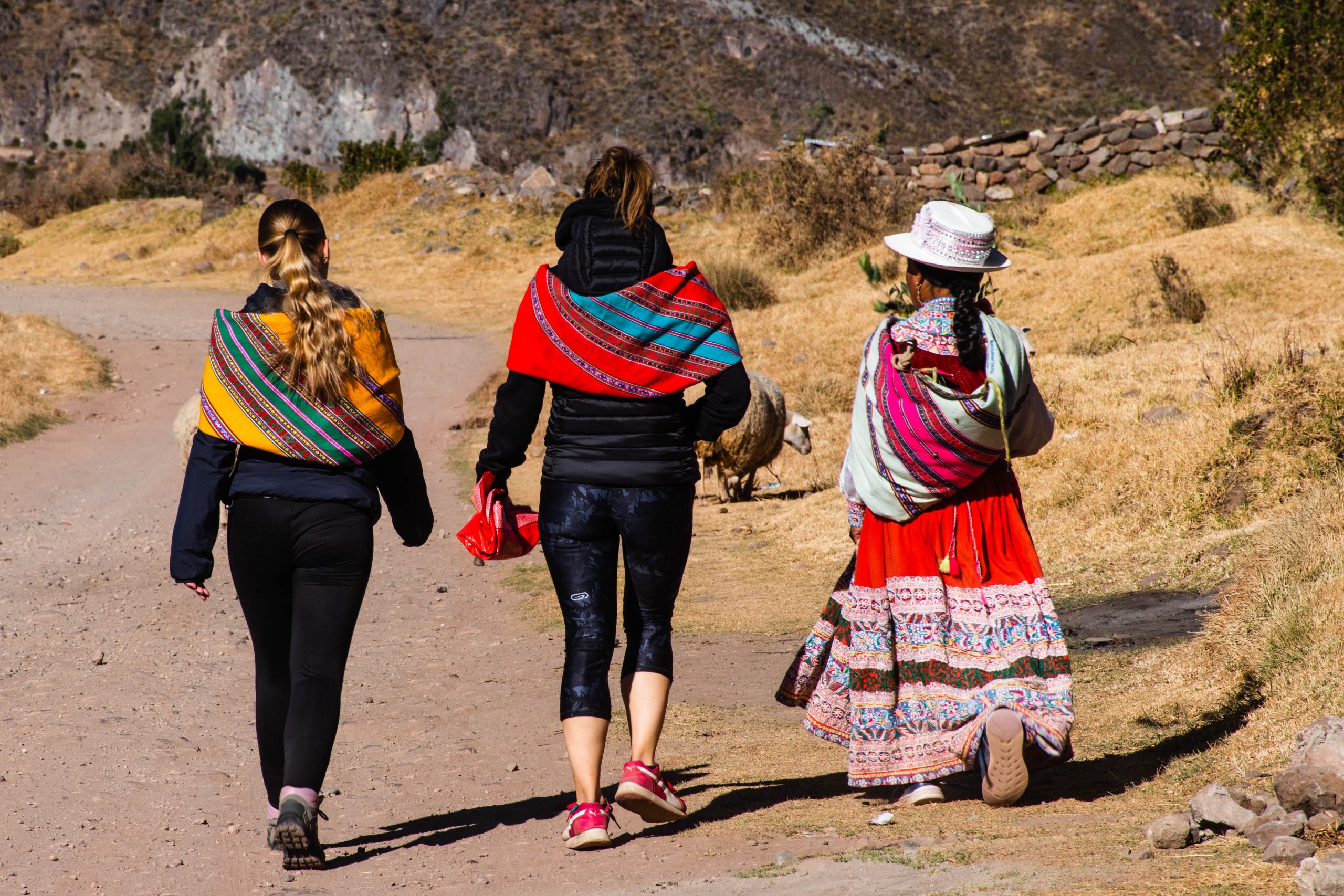
In Cusco and the Sacred Valley, travelers do more than visit archaeological sites—they immerse themselves in authentic experiences:
The Peruvian Amazon is one of the most biodiverse ecosystems in the world. From Puerto Maldonado, travelers can venture into protected reserves where every day is an exploration:

Just a few hours from Lima, destinations like Paracas and Islas Ballestas offer a completely different experience:
Peru is now recognized as one of the world’s top culinary destinations. From award-winning restaurants to vibrant local markets, every meal becomes part of the journey.
The current situation is not only a challenge—it is also an opportunity.
It is time to rethink how Peru is presented to the world.
Instead of asking:
“Do you want to visit Machu Picchu?”
We should start asking:
“What kind of experience do you want to have in Peru?”
This shift in narrative allows:
This is where specialized agencies play a key role.
It is no longer just about selling a destination—it is about designing experiences.
Educating travelers, anticipating challenges, and offering valuable alternatives will define success in the coming years.
A traveler who initially wanted Machu Picchu may discover that:
The answer is clear:
No. Peru does not stop being an option. But it does need to stop being seen as a single destination.
The lack of tickets to Machu Picchu should not be the end of a travel—it should be the beginning of a new way to discover the country.
Because Peru is not a place you visit once for a single icon.
It is a destination to be lived, explored, and rediscovered through every experience.
Looking to design a unique journey in Peru beyond Machu Picchu? Contact our team to create a tailor-made experience based on your travel style.

Our team will be contacting you as soon as possible.
